University backs ban on corporal punishment
She said there was no evidence that violence against children resolved behavioural problems.
Monday 09 February 2026 | 17:30


The University of Fiji has come out strongly in support of keeping corporal punishment banned in schools and introducing national service for young people, warning that violence is not the answer to Fiji’s growing social problems.
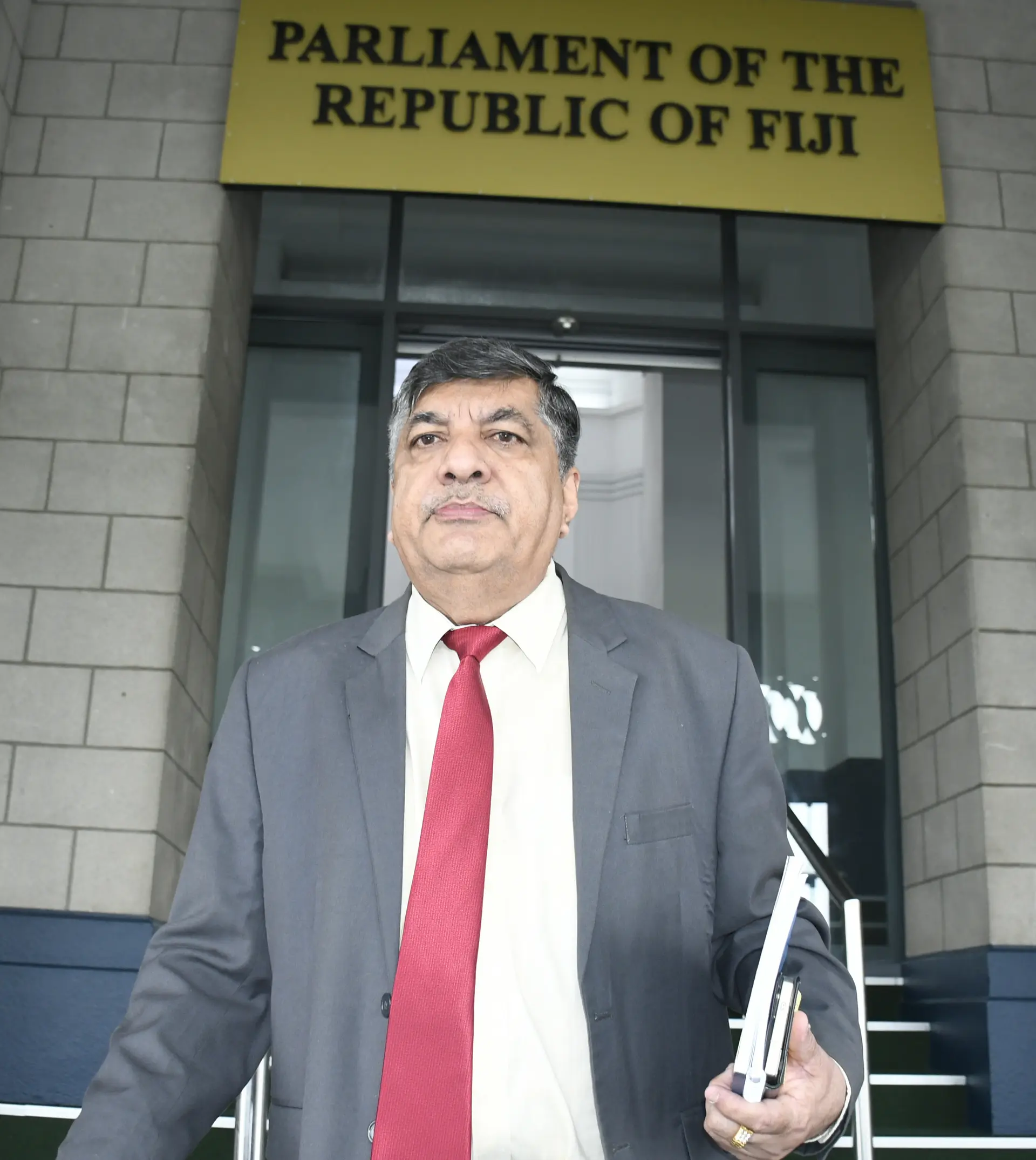
The University’s legal team made detailed public submissions today on three parliamentary bills, including the Education Bill No. 34 of 2025, before Parliament’s Justice, Law and Human Rights Standing Committee at the Vishnu Deo Memorial Hall at the University’s Saweni campus.
Two supplementary submissions focused on corporal punishment and the proposed introduction of mandatory national service.
Related stories
Professor Shaista Shameem told the committee the University agreed with the Minister for Education that corporal punishment must remain prohibited in schools, citing the Fiji Human Rights Commission High Court decision in Naushad Ali v the State delivered by Justice Jayant Prakash in 2001.
She said there was no evidence that violence against children resolved behavioural problems.
“Violence against children was the same as violence against women and both should be prohibited,” she said.
Professor Shameem said discipline in schools did not need to involve violence and pointed out that the Ministry of Education could issue clear disciplinary guidelines for principals and head teachers, as practised in jurisdictions such as Australia.
Professor Shameem also revisited the University’s earlier submissions during education consultations three years ago, when the idea of mandatory national service for young people aged between 18 and 25 was first proposed.
She said since then Fiji’s youth crisis had worsened significantly, with rampant drug abuse and rising HIV cases, noting that 80 per cent of new HIV cases are now in the 15 to 34 age group.
Professor Shameem said the statistics had been reported internationally and were deeply concerning.
In full agreement with Pacific youth advocate and community specialist Mathew Broderick, who has promoted the extension of cadet training in schools, Professor Shameem said the University believed national service could help prevent social problems from being passed on to future generations.
She said while some believed corporal punishment should be imposed on troubled youths, national service was a far more constructive solution.
The University’s submissions form part of Parliament’s ongoing scrutiny of proposed education reforms under the Education Bill No. 34 of 2025.