Detained, beaten, silenced: Advocate calls for change at FTRC
Peter Waqavonovono says reconciliation cannot replace accountability and rule of law.
Friday 22 May 2026 | 15:00
Updated 22 May 2026 | 16:44 FJT
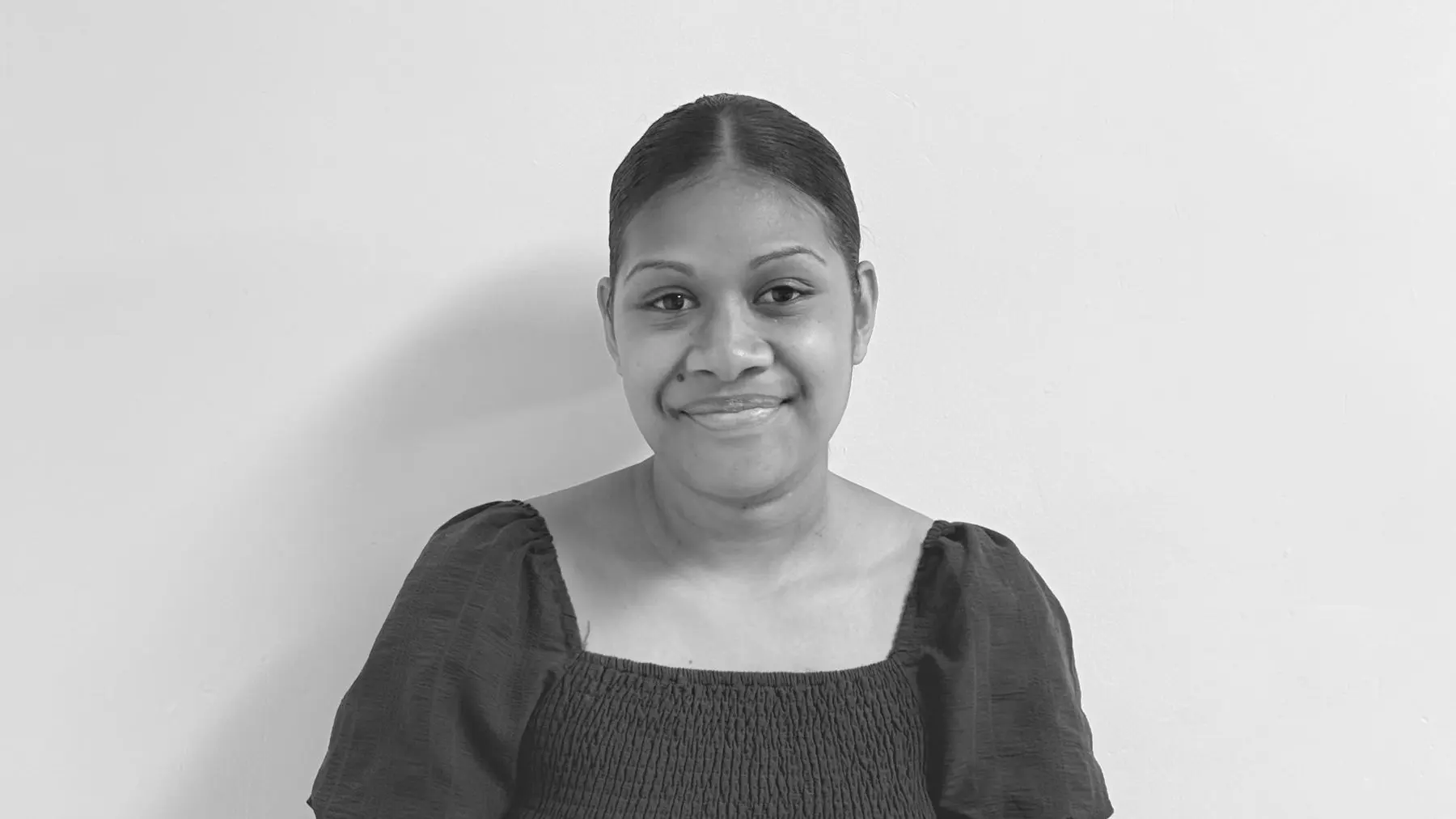
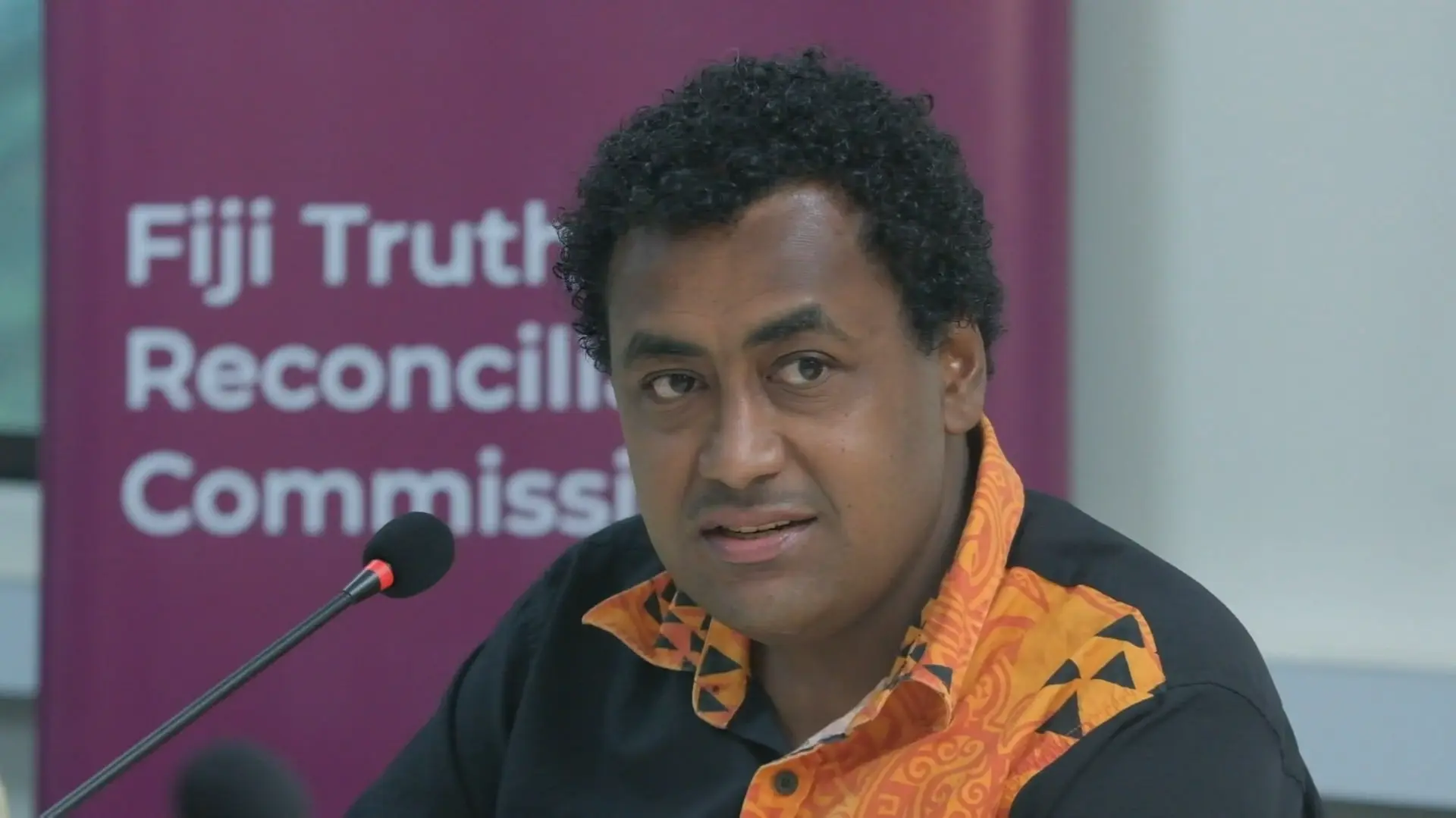
Youth advocate Peter Waqavonovono has told the Fiji Truth and Reconciliation Commission (FTRC) that genuine healing can only happen through truth, justice and accountability.
Mr Waqavonovono has called for constitutional, institutional and cultural reforms.
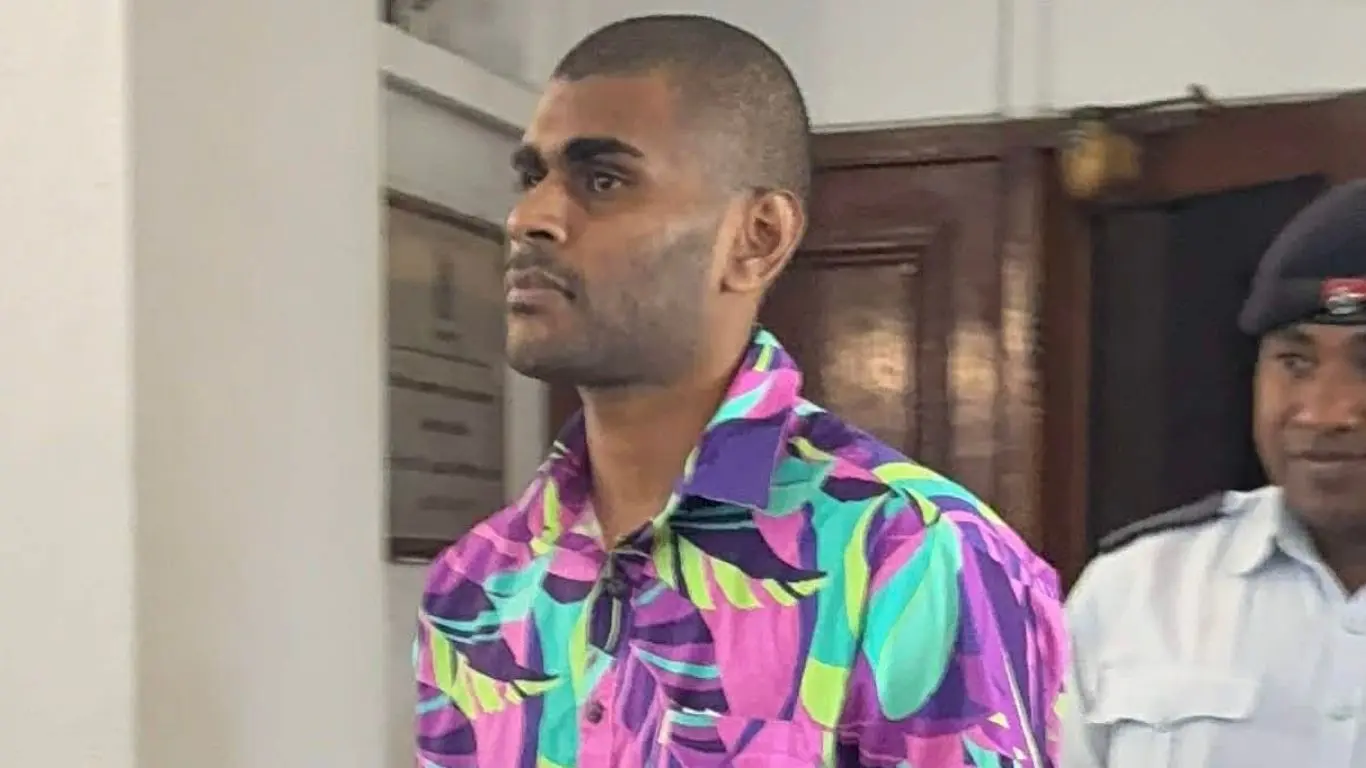
Mr Waqavonovono, 42, of Tubou Village in Lakeba, Lau, shared his testimony during a FTRC hearing in Suva on Wednesday before chairperson Joaquim Fonseca and commissioners Ana Laqeretabua and Rachna Nath.
Related stories
Mr Waqavonovono, who serves as a ministry coordinator for the Archdiocese of Suva under the Catholic Church, said his experiences during the 2006 political upheaval highlighted the urgent need for national reflection and reform.
According to his testimony, he was detained several times by members of the disciplined forces under directives from the then interim military government.
He recalled being unlawfully taken to the military barracks in Suva on Christmas Eve in 2006, where he said he was assaulted, threatened and intimidated while in custody.
“Before the coup of 2006, I was known in my community simply as someone who would not stay silent in the face of injustice,” he said.
Speaking about his experiences, Mr Waqavonovono said: “I have been arrested, placed on travel bans, blacklisted from national and regional events, and have had to face brutality at the hands of military officers, people who were sworn to protect me.
“The media have covered my beatings, my detainments, and perhaps more difficult for some to understand, my forgiveness of those who acted to hurt me.
“With the rules held against me, the system not in my favour, and an institution meant to protect me used instead to silence me, forgiveness and truth became my only weapons.
“I have since welcomed those who sought to silence me, not because I have forgotten, but because I refuse to become what they were.”
He said the experiences left lasting physical, emotional and psychological impacts, including ongoing pain, nightmares, anxiety, depression and social withdrawal.
Despite the challenges, he credited his family, faith, church community and pro-democracy supporters for helping him recover and rebuild his life.
Traditional reconciliation
Mr Waqavonovono also spoke about a traditional reconciliation ceremony held in November 2025, where former senior military officers Ratu Tevita Uluilakeba Mara and Pita Driti apologised to him and other victims of abuse linked to the events of Christmas Eve 2006.
He said the apology took place during a private matanigasau ceremony attended by several people who suffered abuse following the 2006 coup, including members of the “Democracy Five”.
“I attended that matanigasau totally embarrassed. They had their feelings; mine was total embarrassment,” he said.
“In the case of Ratu Tevita Mara, I did not see him as a soldier — I saw him as my chief: the Turaga na Tui Nayau, Sau ni Vanua, and Tui Lau.
“Then I saw my vasu, Pita Driti — we share the same ancestral lineages to Yavu, Batiki, in Lomaiviti. I no longer saw their uniforms or military titles.
“That was when I realised: I had forgiven them.”
Mr Waqavonovono said traditional reconciliation remained central to maintaining harmony in iTaukei culture but should not replace legal accountability.
“No traditional ceremony can replace the rule of law, nor should it be used to bypass accountability,” he said.
“The immunity clause that protects perpetrators does not help them spiritually or psychologically.”
He said perpetrators who never confronted their actions remained trapped by their wrongdoing.
“A chief who cannot apologise ceases to be a chief,” he said.
Mr Waqavonovono stressed he was not giving evidence to undo reconciliation, but to ensure the truth was recorded.
“I am not here for revenge. I am here because the truth must be written down while we who lived it are still alive.
“I am here because carols should never again be sung over the sound of beating.
“I am here because no one should ever have to wonder, as I did, whether saying ‘Merry Christmas’ to a soldier would be their last words.”
He said truth alone was not enough and called for practical reforms to end impunity and torture in Fiji.
Among his recommendations were the establishment of a permanent independent accountability mechanism, reforms to military training and culture, and stronger whistleblower protections.
“Fiji needs a Witness Protection Act with real resources,” he said.
He also called for Fiji to fully ratify and domesticate the United Nations Convention Against Torture.
“Make torture a distinct, non-bailable offence with mandatory minimum sentences,” he said.
“The first soldier who puts a boot on a prisoner’s head must know he will go to jail, not receive a promotion.”
About the FTRC
The Fiji Truth and Reconciliation Commission is an independent body established for truth-telling, reconciliation and national healing.
Its mandate is to examine past political upheavals and their impact on people’s lives, including physical and emotional harm, loss of life and systemic injustices.
The commission says its work aims to foster unity and social cohesion while ensuring survivors’ experiences are heard, acknowledged and documented.