Violence against women remains a national crisis
Ms Kiran said despite ongoing campaigns and awareness programmes across Fiji, gender-based violence remained a national concern because of deep-rooted social and economic factors.
Thursday 21 May 2026 | 05:00

Fiji continues to record some of the highest rates of violence against women and girls in the Pacific, with deep-rooted social attitudes and economic hardship continuing to fuel abuse across homes and communities, says Minister for Women, Children and Social Protection Sashi Kiran.
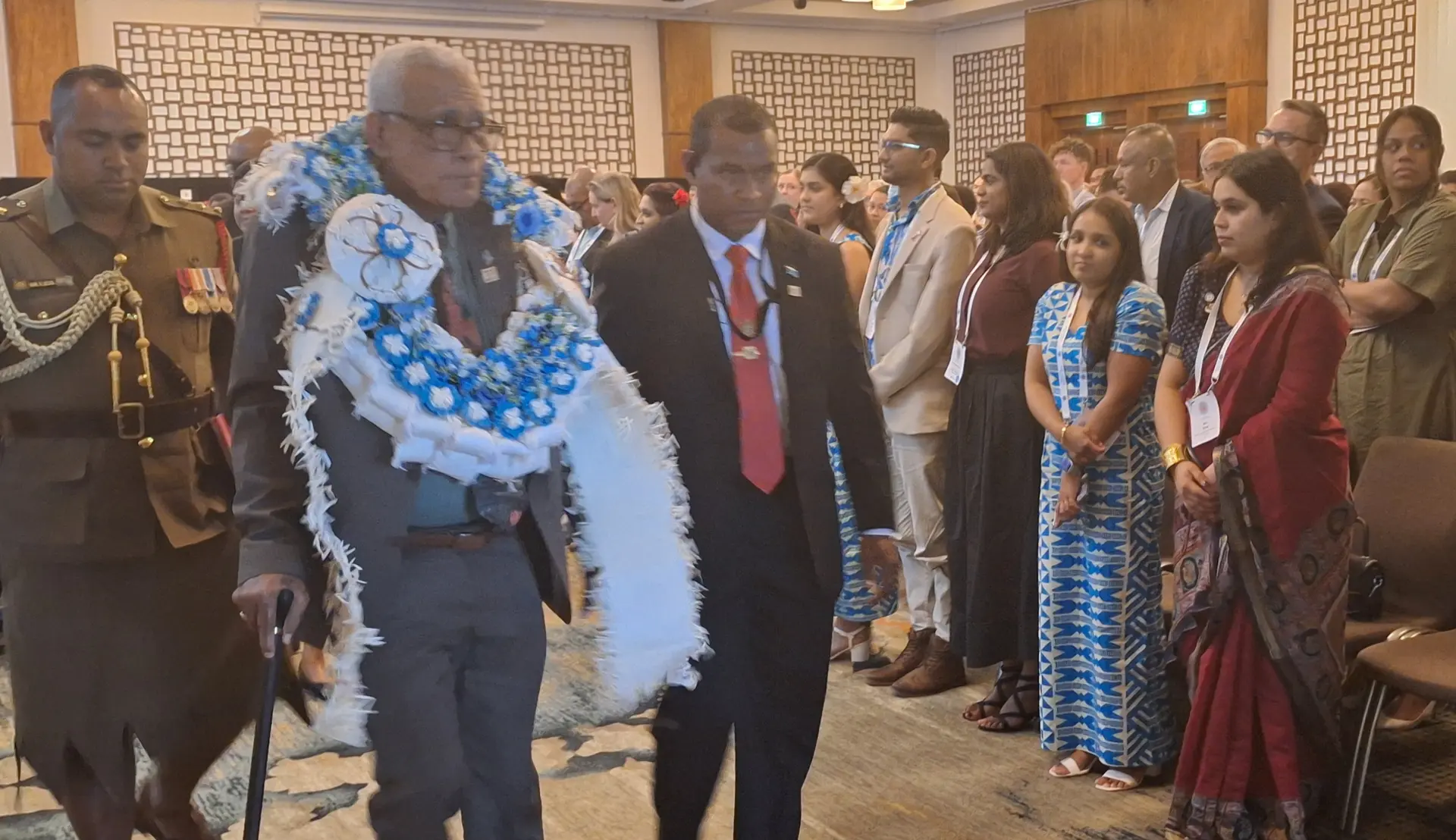
Ms Kiran made the comments while officiating at the National Action Plan Gender Mainstreaming and the Validation of the Gender-Based Violence Training Manual workshop (2023–2028) in Suva yesterday.
She said Fiji urgently needed to strengthen community awareness, family support systems and institutional responses to gender-based violence.
Related stories
Despite ongoing awareness campaigns and programmes, Ms Kiran said gender-based violence remained a major national concern.
“If each human being recognises the other as a human being who deserves trust and dignity and respect, we will not dream of hurting them,” she said.
Ms Kiran said patriarchal norms, harmful attitudes and economic hardship continued to contribute to violence, while many children raised in abusive homes often grew up believing violence was normal.
“Many children who go through violence know no other way. They only know a particular way to behave.”
Ms Kiran said nearly two in three women in Fiji had experienced physical or sexual violence by an intimate partner during their lifetime, describing the issue as a crisis affecting homes, villages, workplaces and communities nationwide.
“Violence affects women physically, emotionally, psychologically and economically, while children exposed to abuse are more likely to suffer trauma and repeat cycles of violence later in life.”
She said Government was responding through the National Action Plan on Gender-Based Violence, which is being implemented in communities to address harmful attitudes and behaviours alongside women’s economic empowerment programmes.
“We are conducting training across ministries for inclusion of the interests of girls and women in their programs. This is very crucial work.”
Ms Kiran said the new training manual would provide clear, practical and survivor-centred guidance for ministry officers and communities to help people understand violence, identify support services and seek assistance when needed.
Training manuals and awareness materials are also being developed for rural and maritime officials to strengthen outreach to remote communities.
“Ending domestic violence requires collective action from both government and ordinary citizens, saying respect and dignity must start within families and communities.”
Over the next three days, ministry officers will undergo institutional capacity development training focused on violence prevention, community awareness, women’s economic empowerment, resilience and disaster preparedness, and strengthening gender-responsive systems.