Fijians who opt out of digital ID may face service delays
Authorities stress voluntary adoption allows inclusivity but non-registrants may face hurdles.
Wednesday 01 April 2026 | 11:30
Updated 01 April 2026 | 13:10 FJT

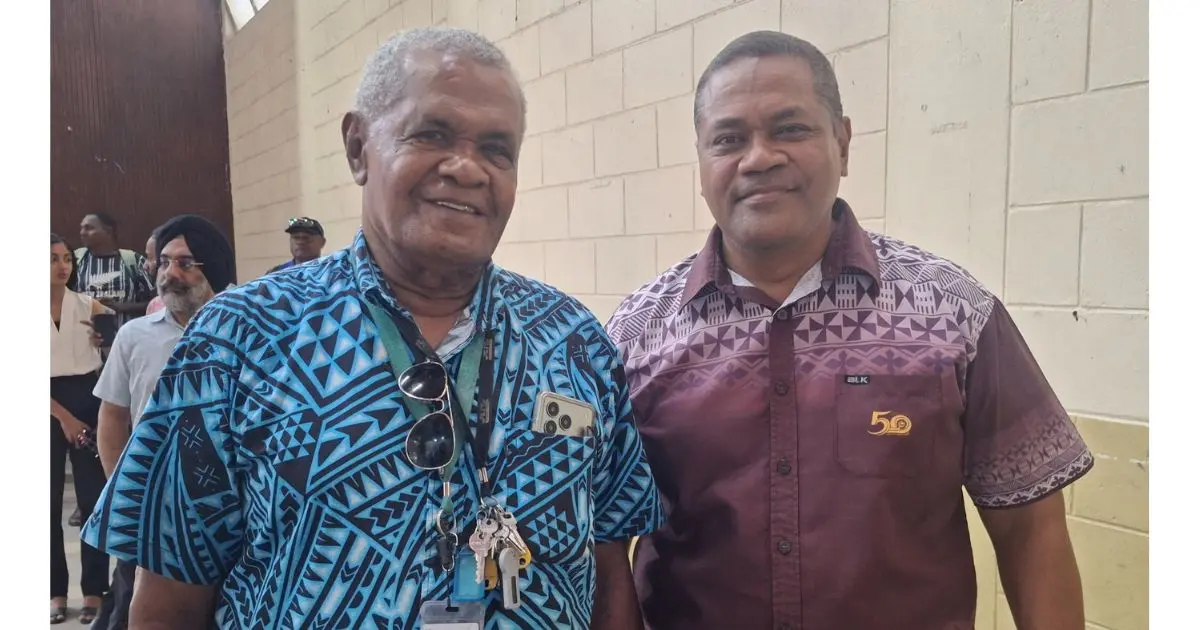
From left: Nadi Town Council special administrator chairperson Saliceni Raiwalui with the Reserve Bank of Fiji Deputy Governor Esala Masitabua at the proposed National Digital ID (NDID) public consultation in Nadi.
Photo: Supplied
Fijians who choose not to register for the proposed National Digital ID (NDID) system could continue to face delays and frustrations when accessing services.
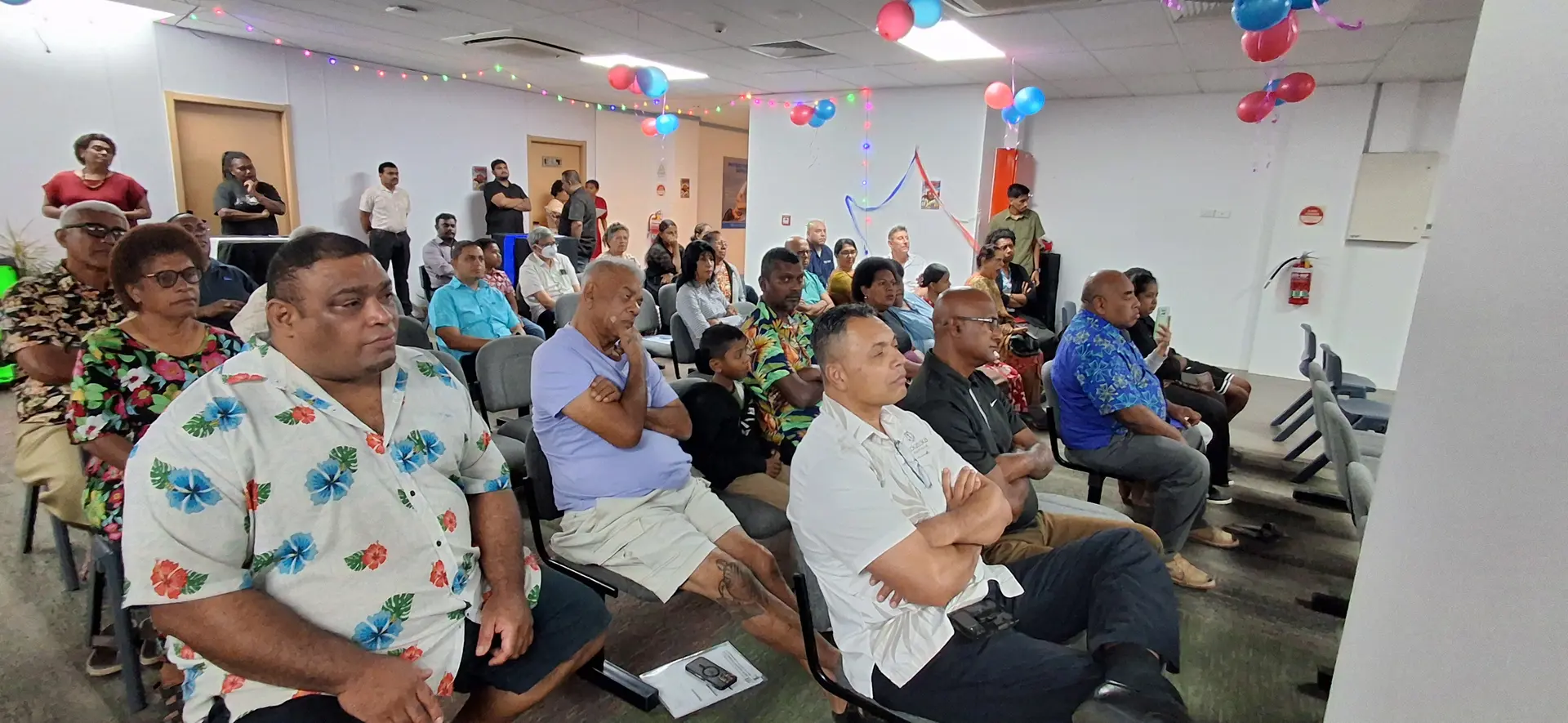
The issue arose during the national consultation on the Draft National Identification (ID) Bill at the Civic Centre in Nadi on Monday, where concerns were raised about the practical impact of keeping the system voluntary.
Nadi Town Council special administrator chairperson Saliceni Raiwalui questioned what it would mean in reality for those who opt out.
Related stories
“In regard to the new ID, my question is: what if I don’t? I am an obedient citizen; I will go along with this initiative. But if I want access to any service, what difficulties will I face if I am not in the system?” he asked.
Responding, Reserve Bank of Fiji Deputy Governor Esala Masitabua said those who do not sign up can remain under the current identification framework but should expect the same challenges.
“If you choose not to be on it, then you will continue to face the current frustration,” he said.
He explained that people are currently required to present multiple forms of identification, including an FNPF card, joint card, and birth certificate, which contributes to delays in verification and approvals.
The proposed system aims to streamline verification and speed up access to services.
Mr Masitabua noted that thousands of applications, including more than 4,000 back-to-school assistance applications, remain unresolved due to verification issues under the current system.
Mr Raiwalui warned that making the system voluntary could create confusion and uneven access to services, suggesting it should instead be mandatory.
“Why not include everyone in this proposal? Make it a must for everyone. We change, we move to a new era so that people are not confused when they go to agencies and are told they are not in the system,” he said.
However, Mr Masitabua said the government opted for a voluntary rollout to address public concerns and ensure inclusivity.
“We feel that if it is mandatory, concerns will be heightened. Not everybody has the same opinion,” he said.
He added that consultations across the country have revealed religious concerns among some groups, including links made to biblical references in the Book of Revelation.
Keeping the system voluntary, he said, would allow people to adopt it at their own pace and avoid perceptions of coercion. Drawing comparisons to the introduction of M-PAiSA in 2010, he noted that initial scepticism eventually gave way to widespread use.
“Back then, people were saying that nobody would use it, but now we see everybody is using M-PAiSA. We feel this new ID system will be similar,” he said.