Silent dental crisis, children losing their teeth too early: Health Minister
New health data shows 53% of school dental treatments are extractions as sugary diets, poor hygiene and limited access to services drive a growing crisis.
Monday 23 March 2026 | 10:30
Updated 23 March 2026 | 16:40 FJT

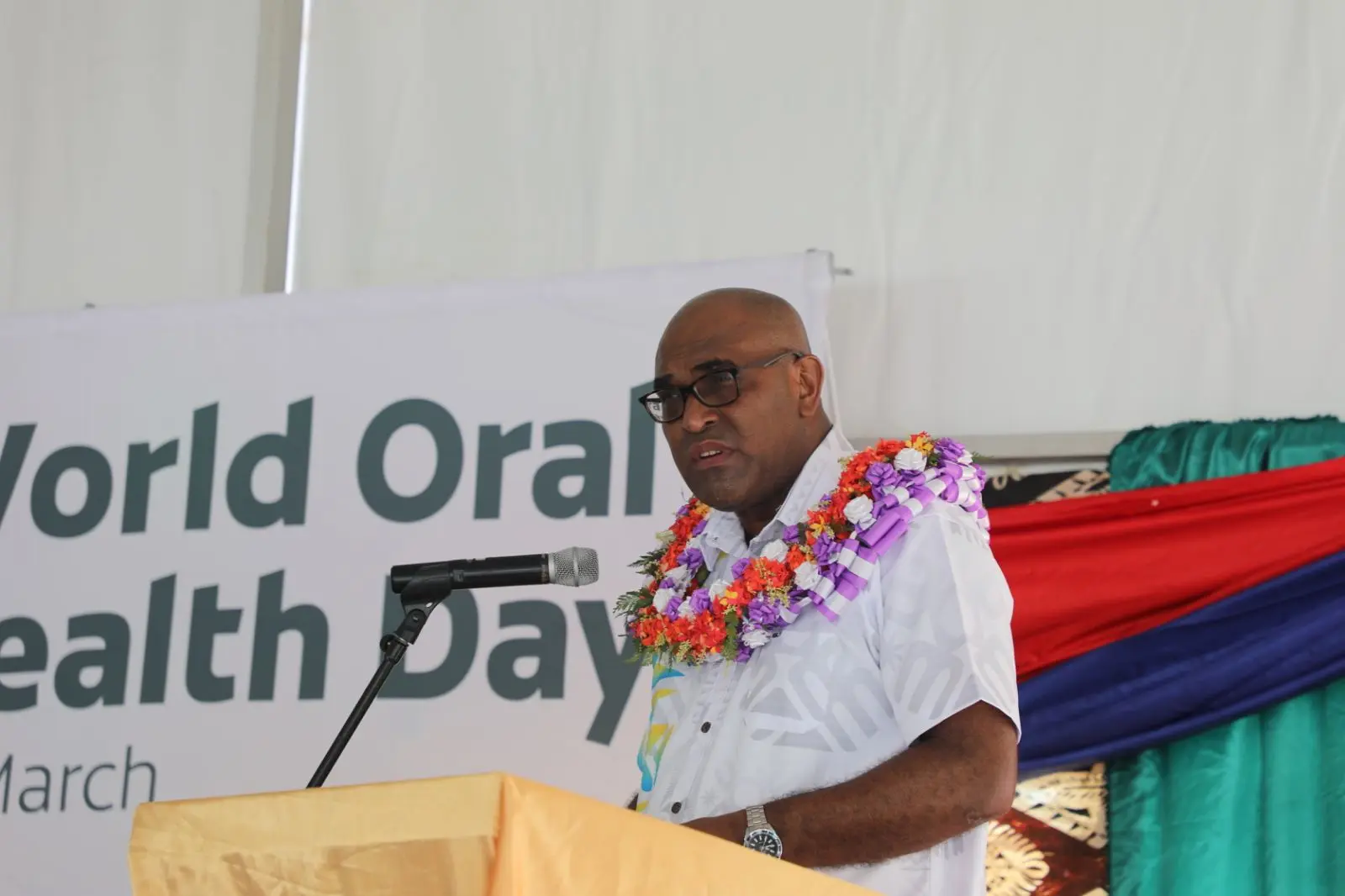
Minister for Health and Medical Services, Dr Ratu Atonio Lalabalavu.
Photo: Supplied
A growing number of children in Fiji are losing their teeth far too early, prompting urgent warnings from the Minister for Health and Medical Services, Dr Ratu Atonio Lalabalavu.
Dr Lalabalavu says tooth decay is becoming a silent national crisis threatening the health and confidence of chidren.
Speaking at World Oral Health Day celebrations at the Makoi Birthing Unit last week, Dr Lalabalavu said the scale of the problem shows that dental disease is now widespread in both rural and urban communities.
Related stories
Recent data from the Ministry of Health and Medical Services paints a stark picture: more than half of all school dental treatments carried out between 2024 and 2025 were extractions, not restorations.
Out of 6,771 students examined, a staggering 2,369 (53 per cent) had teeth removed, while only 15 per cent received treatments that could save their teeth.
Mr Lalabalavu said this trend is concerning, especially as it reflects a shift in children’s diets and habits.
“This is a disease taking away the beautiful smiles of our children,” Dr Lalabalavu said, linking the trend to the rising consumption of sugary snacks, soft drinks, and poor oral hygiene habits at home and in schools.
Meanwhile, dental outreach teams working in the maritime islands of Moala, Matuku and Totoya in Lau also found similar patterns, with many families struggling to access basic dental services and children increasingly exposed to unhealthy foods.
Six‑year‑olds already losing teeth
Among the youngest, the findings were equally distressing. Of the 713 six-year-olds examined, more than half required treatment for tooth decay.
Outreach teams were able to ensure 56 per cent became caries-free, surpassing national targets, but the overall number of affected children remains deeply concerning.
Kindergarten screenings also revealed significant problems: 406 out of 687 preschoolers examined had dental caries that required treatment.
The Ministry says its outreach programmes, aligned with global oral health goals, are helping to close service gaps in rural and maritime areas, while also strengthening prevention through community education.
But health leaders say the impact of these efforts will be limited unless families take responsibility for reducing sugar intake at home, ensuring children brush their teeth properly, and seeking early dental care.