TB-HIV cases surge to 41%, including cases among children
Fiji’s TB treatment success rate remains 59 per cent, well below the global target of 90 per cent, officials say.
Wednesday 25 March 2026 | 05:30

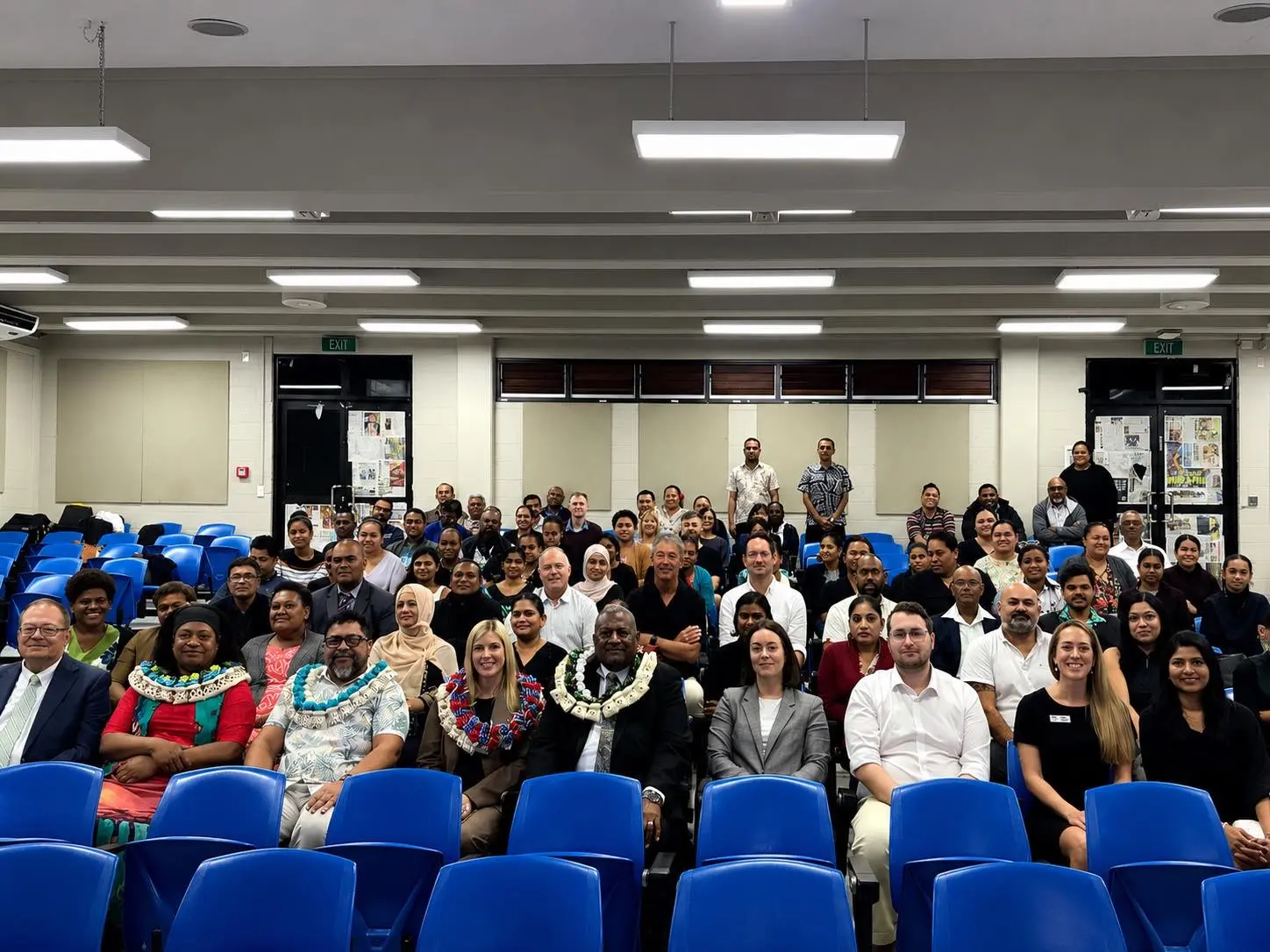
Assistant Minister for Health and Medical Services Honourable Penioni Ravunawa with health officials at the launch of the Fiji National TB Management Guidelines – 5th Edition (2025) during World Tuberculosis Day celebrations at Ratu Sukuna Park, Suva.
Photo: Talei Roko
Fiji has seen a sharp increase in TB-HIV co-infections, with cases rising from 7 per cent in 2022 to 41 per cent last, including children under 15, health authorities have warned.
The surge highlights the urgent need to better integrate tuberculosis (TB) and HIV services across the country.
Assistant Minister for Health and Medical Services Penioni Ravunawa said the rise in co-infections is a serious public health concern that requires coordinated national action.
Related stories
“Tuberculosis is preventable and curable,” he said, urging Fijians to recognise symptoms early, seek medical care, and support those undergoing treatment.
The warning comes as Fiji recorded 640 tuberculosis cases in 2025, with infection rates rising to 69 per 100,000 people.
TB-related deaths reached 10.2 per 100,000 in 2024, the highest recorded, while children under 15 account for about 8 per cent of cases, indicating ongoing community transmission.
To strengthen the national response, health authorities launched the Fiji National TB Management Guidelines, 5th Edition (2025), during World Tuberculosis Day at Ratu Sukuna Park yesterday.
The guidelines aim to improve prevention, diagnosis, and treatment by standardising care and aligning Fiji’s response with international best practices, with support from the World Health Organization.
Mr Ravunawa emphasised that ending tuberculosis will require a whole-of-society approach involving government, health workers, development partners, and communities.
He also highlighted the need for stronger primary health care systems and integrated responses to HIV and non-communicable diseases.
Commemorations were held nationwide, including outreach programmes, screenings, and awareness campaigns across all four divisions, reaching rural and maritime populations.
“Fiji already has the tools, knowledge, and partnerships needed to eliminate the disease,” Mr Ravunawa said.
“This year’s theme ‘Yes! We Can End TB’ is not merely a slogan, it is a call to act together."