PM backs immunity removal call
However, Mr Rabuka said all proposals would still need to follow the constitutional review process.
Sunday 19 July 2026 | 10:00
Updated 19 July 2026 | 12:21 FJT

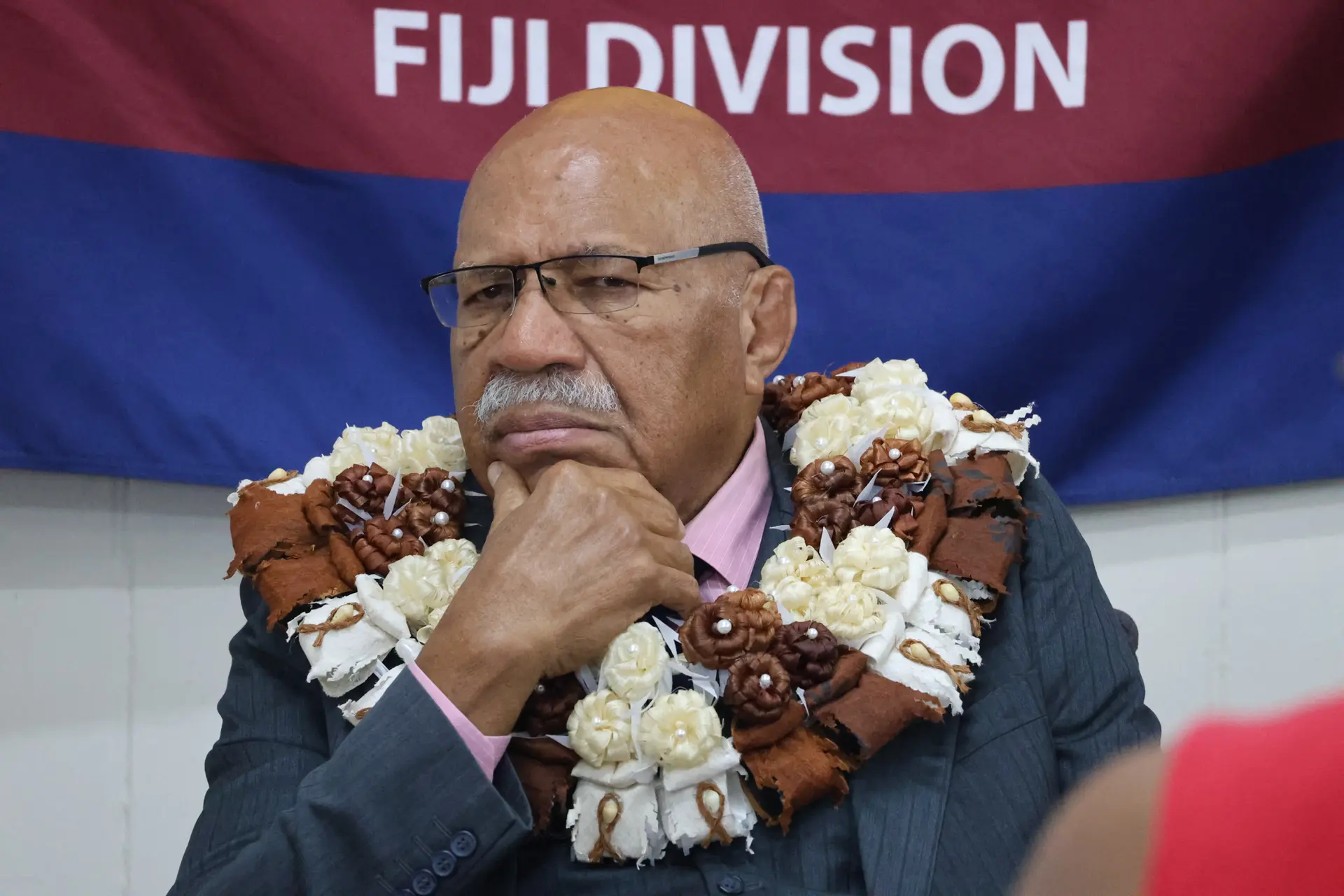
Prime Minister Sitiveni Rabuka as chief guest at the Salvation Army Drug and Alcohol Recovery Centre opening in Suva on July 17, 2026.
Photo: Asenaca Ratu
Prime Minister Sitiveni Rabuka has backed the Republic of Fiji Military Forces’ (RFMF) recommendation to remove the immunity clause from the 2013 Constitution.
However, he made it clear that any change to the constitution will go through the proper review process.
Mr Rabuka, who has publicly acknowledged his role in the 1987 military coup, said the immunity clause does not protect him, declaring he is “free”.
Related stories
Section 156 of the Constitution grants immunity from criminal and civil prosecution to certain individuals for their actions in the political coups of 1987 and 2006.
“Yes, I support it,” he said, referring to the RFMF’s submission.
“I’m not protected by it. It says 1987, but it does not protect me. I’m free anyway.”
However, Mr Rabuka said all proposals would still need to follow the constitutional review process before any decision is made.
He said all recommendations received by the Constitution Review Commission (CRC) would first be presented to President Ratu Naiqama Lalabalavu before being considered by Cabinet, with legal advice from the Solicitor-General.
Any agreed changes would then be drafted into legislation or constitutional amendments.
In its submission, the military argued the immunity provisions have created a “two-tier legal system”, shielding some individuals from accountability while denying justice to others.
RFMF Commander Major-General Ro Jone Kalouniwai acknowledged the military’s own role in Fiji’s political history and said the institution must also be prepared to accept the consequences of constitutional reform.
The proposal represents a significant shift by the military, which has played a central role in Fiji’s political upheavals over the past four decades.
If the recommendation is ultimately adopted, it could pave the way for legal scrutiny of events surrounding the 1987, 2000 and 2006 coups, including the actions of military officers, political leaders and other state actors.
Mr Rabuka’s comments mark one of his strongest public endorsements yet for the removal of one of the most controversial provisions of Fiji’s 2013 Constitution.