Ministry targets welfare abuse, new system to flag ‘double dipping’
New digital system to detect double dipping and improve oversight after $28m discrepancies flagged.
Wednesday 25 March 2026 | 06:30
Updated 25 March 2026 | 07:57 FJT
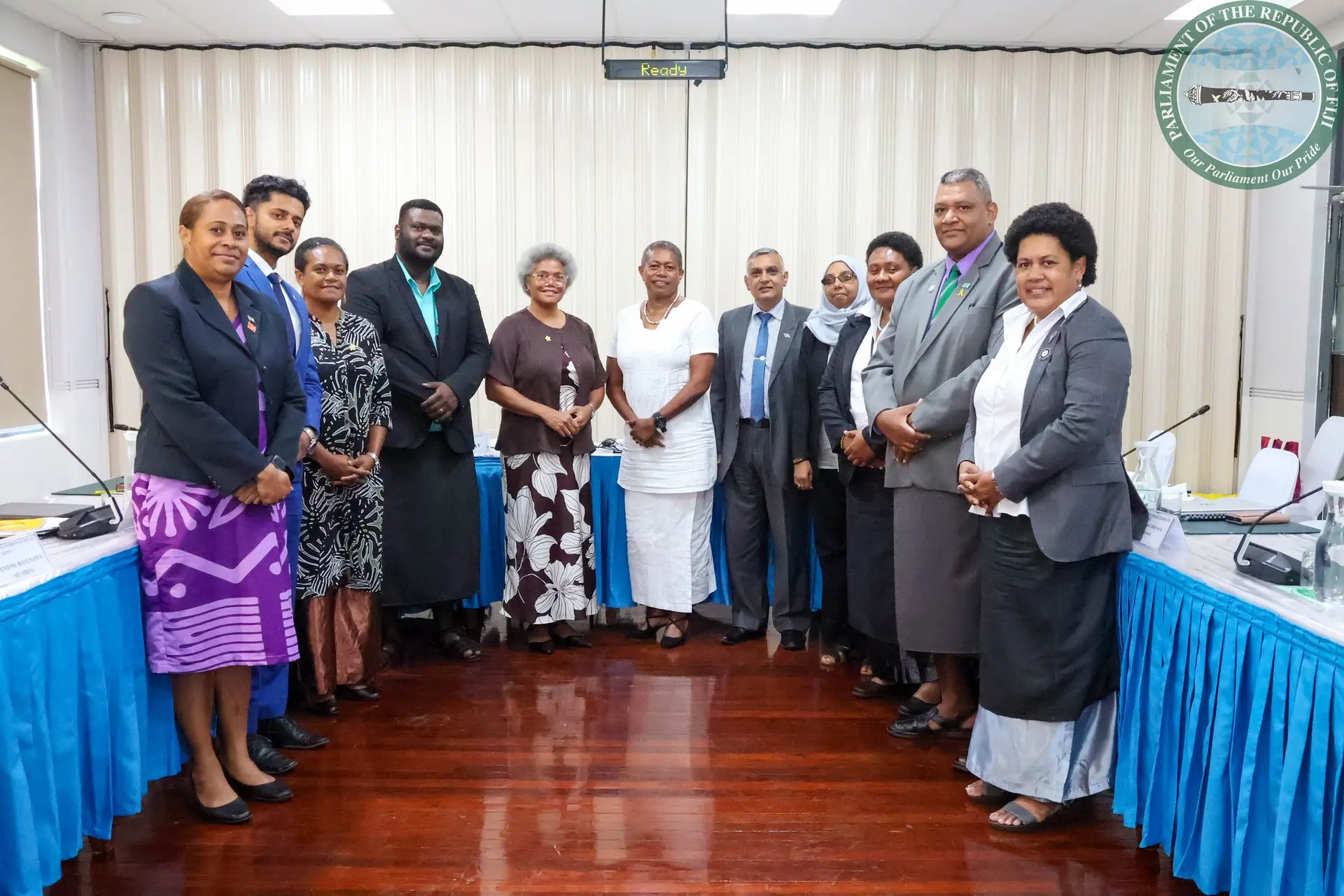
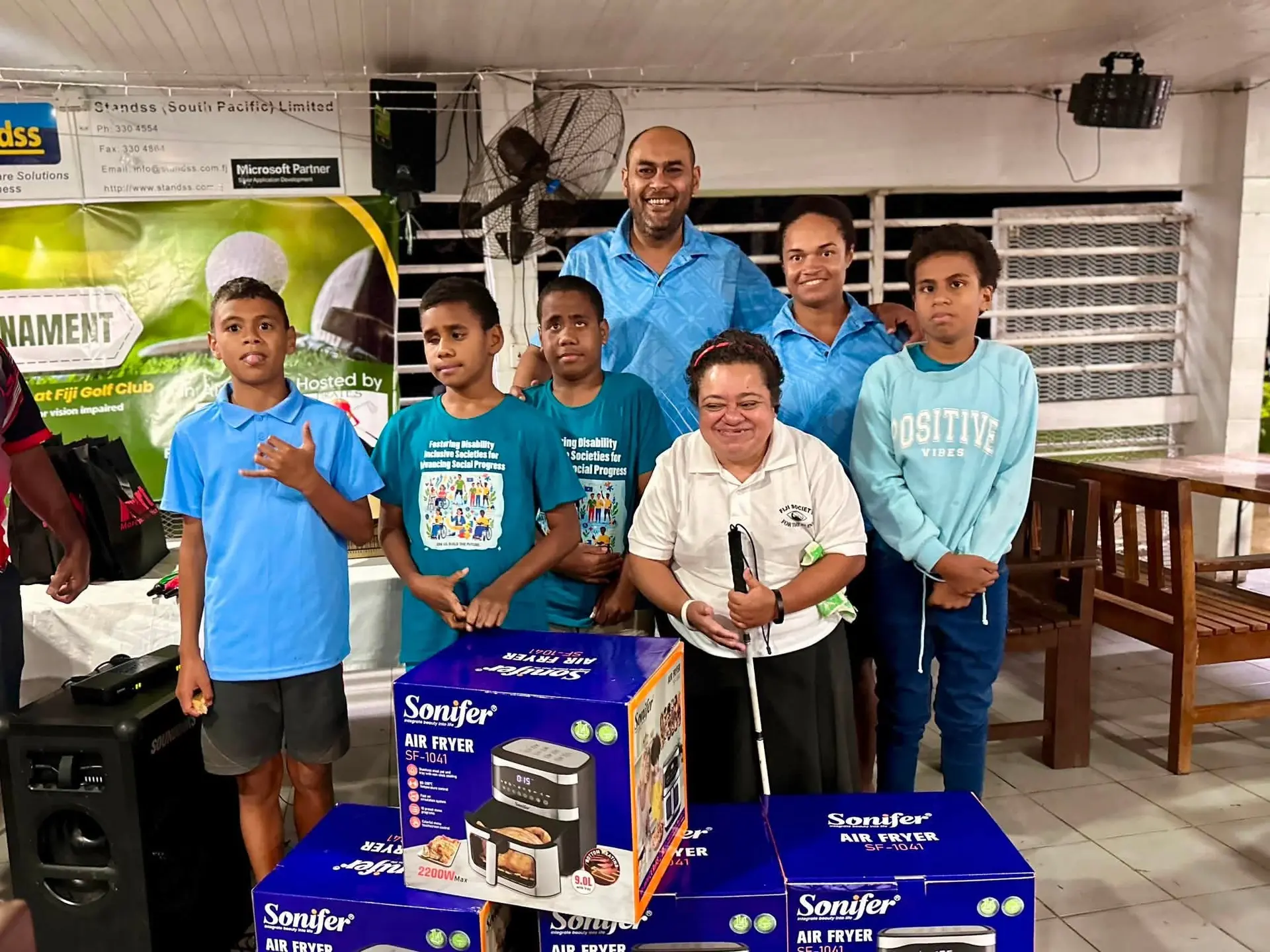
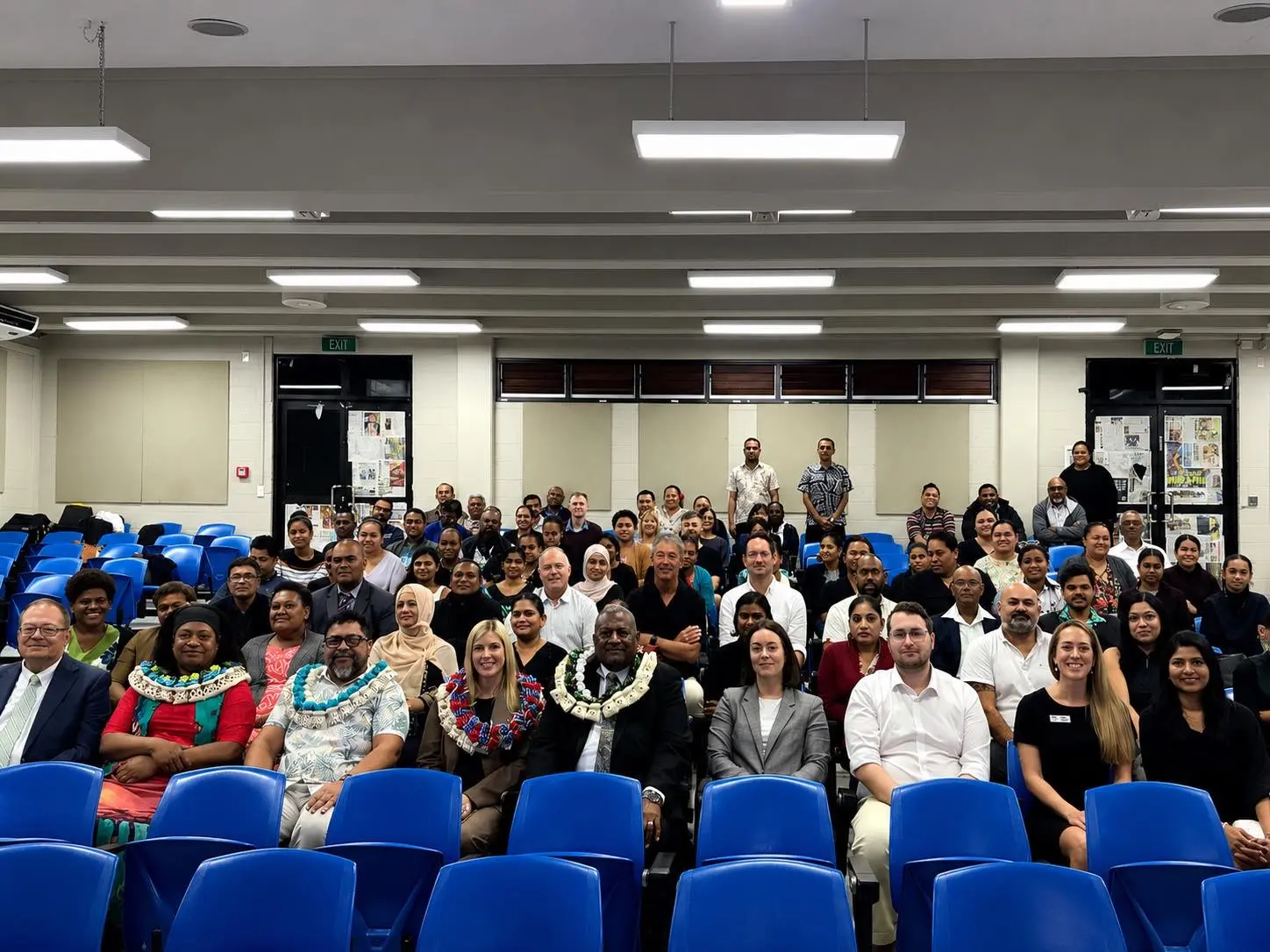
Members of the Standing Committee on Foreign Affairs and Defence with the Ministry of Women, Children and Social Protection team on March 24,2026.
Photo: Parliament of Fiji
The Ministry of Women, Children and Social Protection is clamping down on individuals who abuse the social welfare assistance schemes through double dipping.
Ministry’s permanent secretary, Selina Kuruleca, informed the Standing Committee on Foreign Affairs and Defence yesterday that a new digital system that is slowly being implemented within the ministry would be able to alert the ministry of any illegal activities.
“We’re anticipating that with the IBMS (Integrated Beneficiary Management System), all of these things will just pop up,” Ms Kuruleca said.
Related stories
“With this new IBMS, all this double dipping will be found out.”
The committee was informed that manual record keeping resulted in years of recurring audit issues and delays.
The Auditor-General’s 2024 report that was tabled in Parliament earlier this month indicated more than $28 million in discrepancies in the social protection programmes.
“We’ve asked the designers of the programme to have an alert. Okay, this person is due to be checked. What is happening here? We’re hoping that that will also be flagged in the system to prevent this,” she said.
Ms Kuruleca highlighted that over the years funds granted to small and medium enterprise (SME) owners would be directed to other things. This will change with the new digital system.
“One of the things that’s quite clear and it also exists in the SME, is that for them to be able to continue to receive funding, they must make sure that their business plan is working.
The new digital system is developed with funding from Australia’s Department of Foreign Affairs and Trade.