Women alarmed over mussels decline in Ba
She claimed some women reported serious health concerns, including respiratory illnesses and cancer.
Monday 23 March 2026 | 13:00
Updated 23 March 2026 | 14:45 FJT

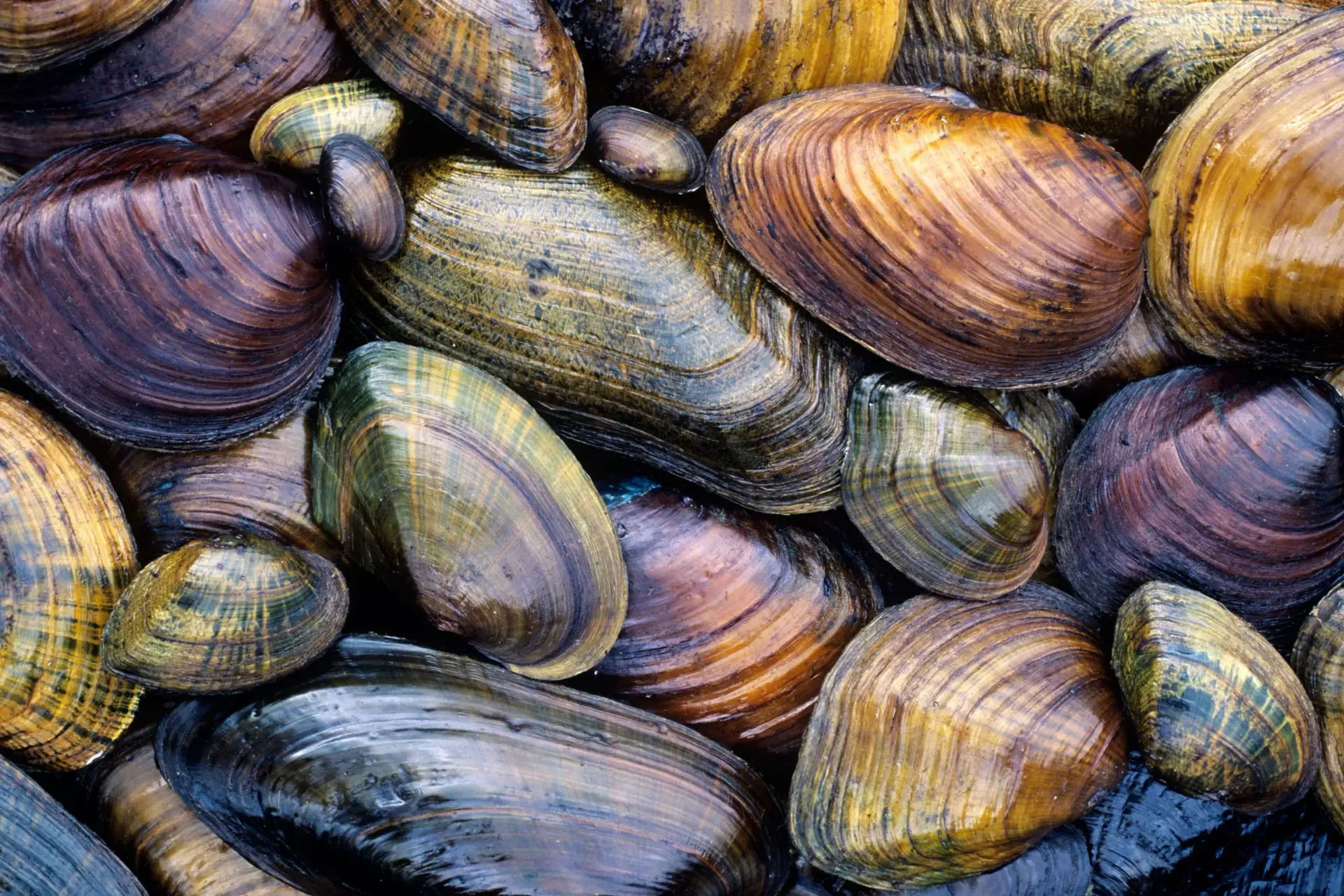
Concerns have been raised regarding the decrease of freshwater mussels (kai) in the Ba River because of black sand mining at Votua.
Vice president of the Fiji Council of Social Services (FCOSS) Vani Tuvuki, said that while mining brought economic benefits, it also led to declining agricultural yields, health issues, and threats to traditional livelihoods.
She spoke during the Western Division consultations on the review of the Mining Act 1965 and Quarries Act 1939 at the Ba Civic Centre on Friday.
Related stories
Ms Tuvuki said her team’s surveys in Votua and nearby communities found significant social, environmental, and health impacts linked to black sand mining and quarrying.
Women in these areas rely on harvesting freshwater mussels for h income and food, she said.
“Dredging and mining have made mussel collection more difficult and dangerous, requiring women to dive deeper,” Ms Tuvuki said.
She claimed some women reported serious health concerns, including respiratory illnesses and cancer.
She said agricultural yields, including cassava and bananas, had declined, with crops becoming smaller and less healthy.
Ms Tuvuki linked these changes to mineral extraction from rivers and land, which she said affected soil fertility and food security.
She called for alternative income-generating projects, improved monitoring, and conservation efforts to protect ecosystems and future generations.
Ms Tuvuki noted that most participants at the consultation were men.
She said discussions often focused on financial returns to landowning units (mataqali), rather than long-term impacts on livelihoods, health, and the environment.
“When the future generation comes, how will this place look?” she said.
“Will there still be white sandy beaches, or will it be black from the black sand?”