Editorial: No one should be above the law
Speight's submission has revived debate over immunity, accountability and whether Fiji can truly heal without confronting its political past.
Friday 10 July 2026 | 12:00
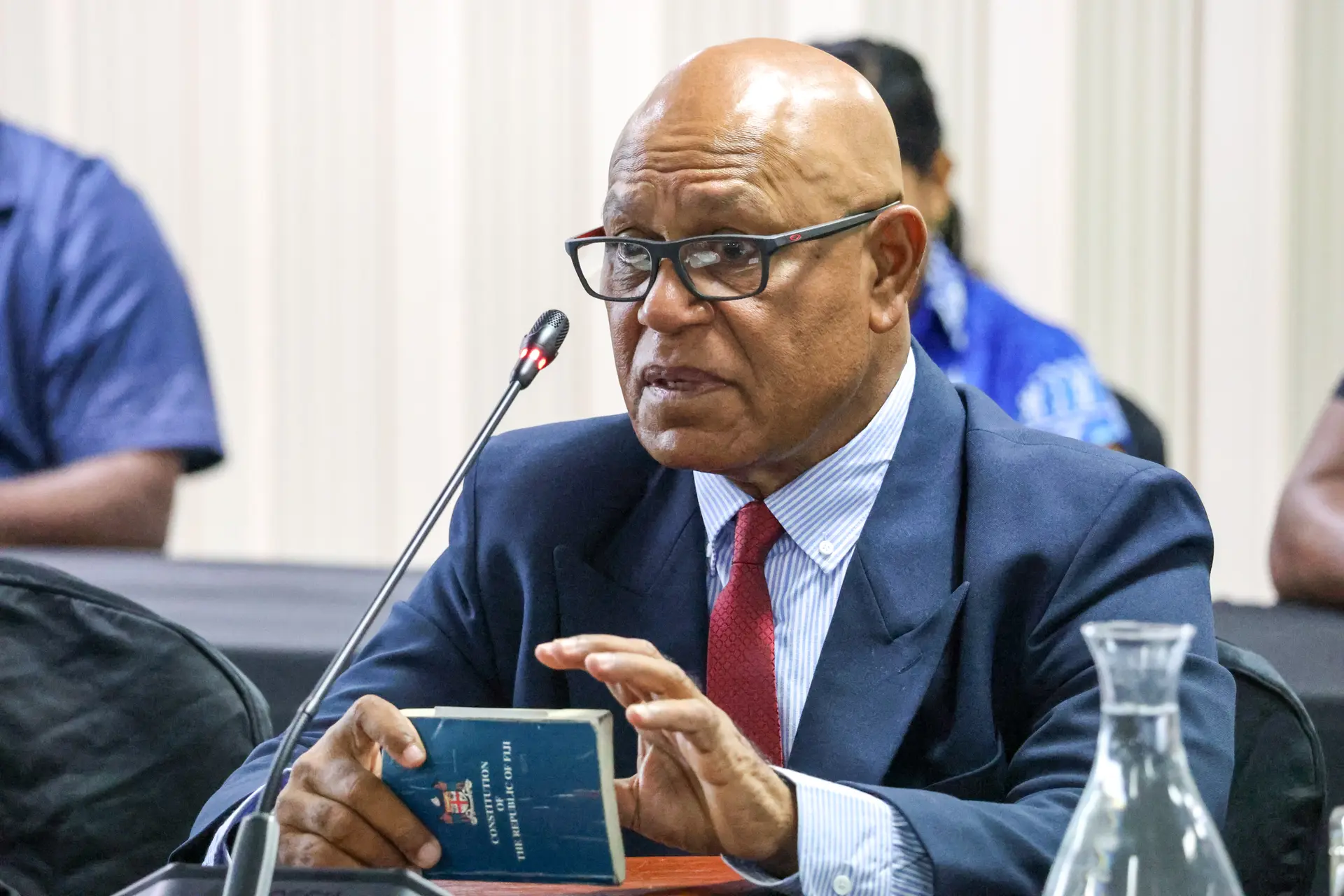
George Speight addressing the Constitutional Review Commission in Suva on July 9, 2026.
Photo: Talei Roko
George Speight's submission to the Constitution Review Commission yesterday reignited one of the most difficult questions Fiji has grappled with for nearly four decades.
Since the 1987 coups, political upheavals have left deep scars on the nation. As Fiji embarks on constitutional review and reconciliation, one question remains: Can there be genuine reconciliation without accountability?
Speight, who served 24 years in prison for his role in the 2000 coup, declared: "If you commit a crime, you do the time."
Related stories
It was a striking statement from a man whose actions changed the course of Fiji's history. More significantly, he accepted responsibility for his crimes and argued that the same standard should apply to everyone who brought Fiji to its knees, regardless of rank, office or influence.
Fiji's repeated political crises have claimed lives, divided families, weakened investor confidence, forced people into exile and disrupted the country's democratic development. Against that backdrop, the immunity provisions of the 2013 Constitution have again become the subject of national debate.
Do those provisions provide certainty and safeguard stability, or do they also shield individuals from accountability? That is one of the questions now before the Constitution Review Commission.
The Commission has the responsibility to carefully consider all submissions placed before it, including those from Speight and the Republic of Fiji Military Forces (RFMF), as it weighs the competing interests of justice, reconciliation, stability and national unity. Its recommendations must be guided by independence, fairness and the long-term interests of Fiji.
The recent call by RFMF Commander Major-General Ro Jone Kalouniwai for a thorough national clean-up adds another dimension to this debate. His comments, together with Speight's submission, reflect a broader discussion about whether Fiji can truly move forward without confronting unresolved issues from its political past.
Whether constitutional reform ultimately retains, amends or removes immunity provisions, one principle should remain central: no one should be above the law in a democratic society. Fiji's future must continue to be built on justice, accountability, respect for democratic institutions and public confidence in the rule of law.
Truth, honesty and personal responsibility alone cannot erase the past, but they can help lay the foundation for national healing. As the constitutional review continues, Fiji has another opportunity to reflect on its history while shaping a future founded on trust, justice and democratic values.