Flower that named a province: Story behind Bua’s origin
Long ago, Buatavatava, a significant figure in Fijian history and the eldest son of Ratu Rokomautu (son of Lutunasobasoba), and his grandmother were forced to leave Verata in Bau, Tailevu.
Thursday 26 March 2026 | 12:00

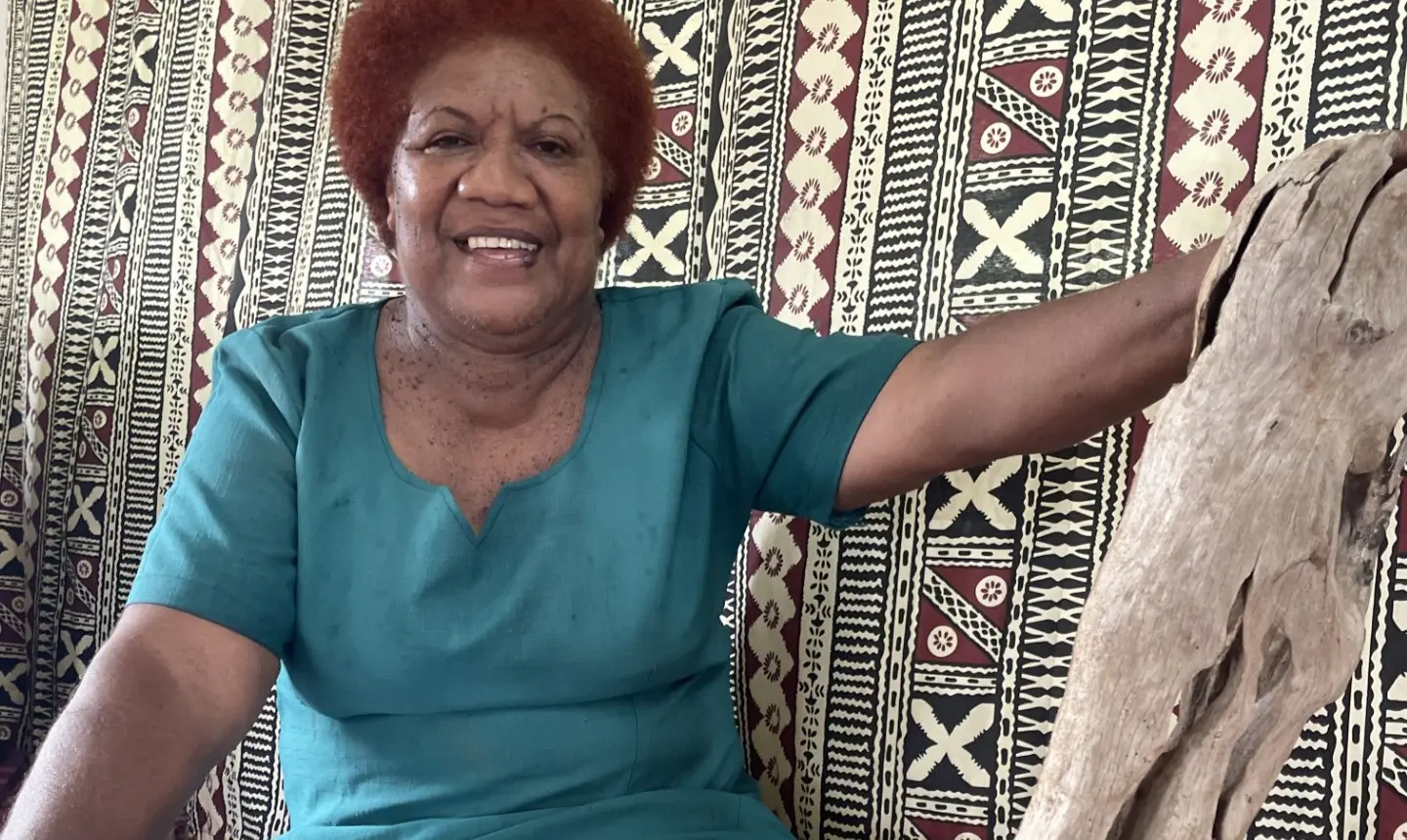
In the quiet village landscapes of Vanua Levu, stories of the past are carried not just in words, but in tradition, memory and land.
One such story, shared by 64-year-old Tarusila Veibi of Bua Lomanikoro, reveals the origins of how the province of Bua got its name.
Speaking in a recent interview, Ms Veibi recounted a story passed down through generations, connecting identity, migration and culture.
Related stories
According to her, the name “Bua” traces back to a time of uncertainty and movement.
Long ago, Buatavatava, a significant figure in Fijian history and the eldest son of Ratu Rokomautu (son of Lutunasobasoba), and his grandmother were forced to leave Verata in Bau, Tailevu.
Their departure, Ms Veibi explained, was the result of misunderstandings that made it unsafe for them to remain.
Like many traditional stories in Fiji, this journey was not only about survival, but also about preserving legacy.
Before they parted ways, Buatavatava’s grandmother entrusted him with something small but powerful — “a cutting of a plant known as Bua.”
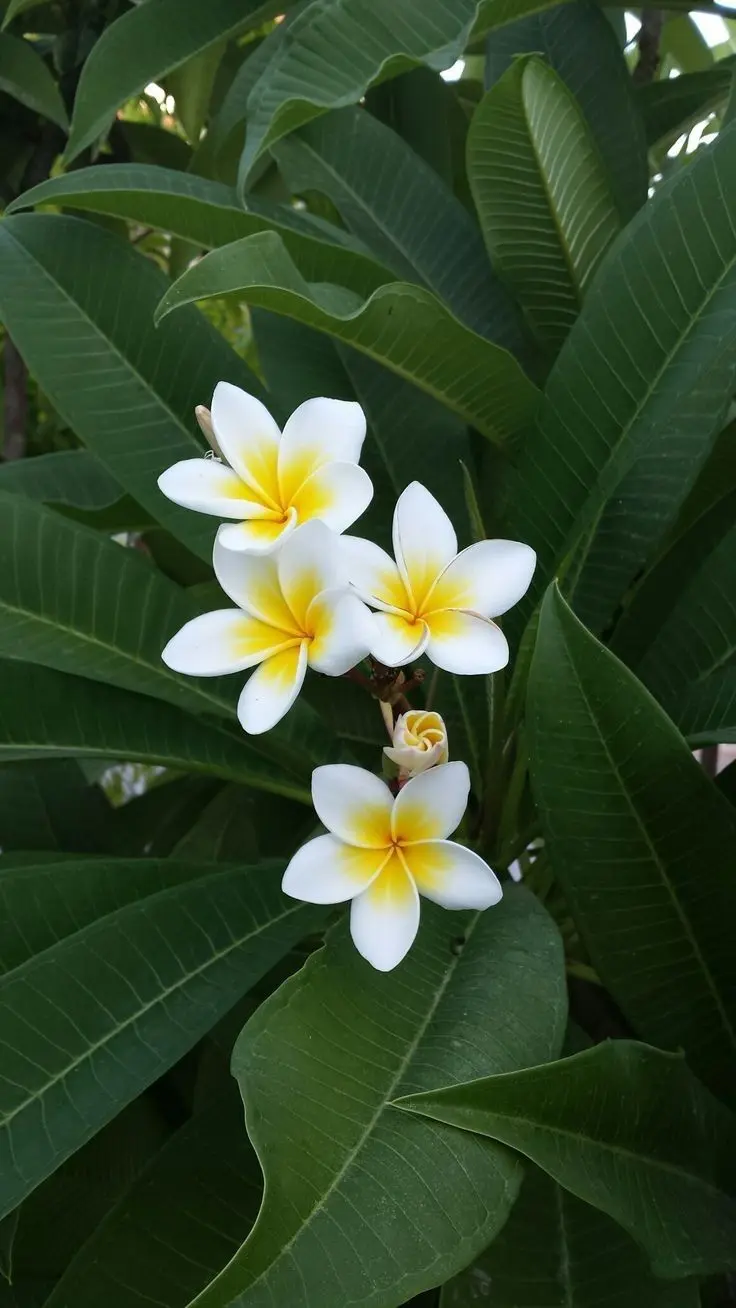
She instructed him to carry it on his journey and plant it wherever he would eventually settle.
The plant, she said, would serve as a symbol for future generations — a living reminder of their roots and resilience.
Buatavatava honoured her words. After a long journey, he reached a new land in the northern region of Vanua Levu, where he planted the bua cutting.
Over time, the plant took root and flourished, growing into a tree known for its striking beauty, especially its white blossoms.
Moved by its growth and meaning, Buatavatava named the place “Senibua,” meaning “the flower of the bua.”
As years passed and communities formed, the name was shortened to what is now known as Bua, one of Fiji’s 14 provinces.
The bua plant holds cultural significance in Fiji. Known for its elegant flowers, it is often associated with beauty, identity and connection to land — values deeply embedded in iTaukei traditions.
“Our names are not just names,” Ms Veibi said.
“They carry stories, journeys, and the voices of those who came before us.”
Today, as Bua continues to grow and modernise, stories like that of Buatavatava and the bua plant remain vital threads in the province’s cultural fabric, reminding its people that even the smallest seed can shape the identity of a place for generations.