Traffic congestion now becoming a ‘national challenge’
He also said the previous government’s decision to reduce duties on imported vehicles had added to the pressure on the road network.
Saturday 14 March 2026 | 11:00

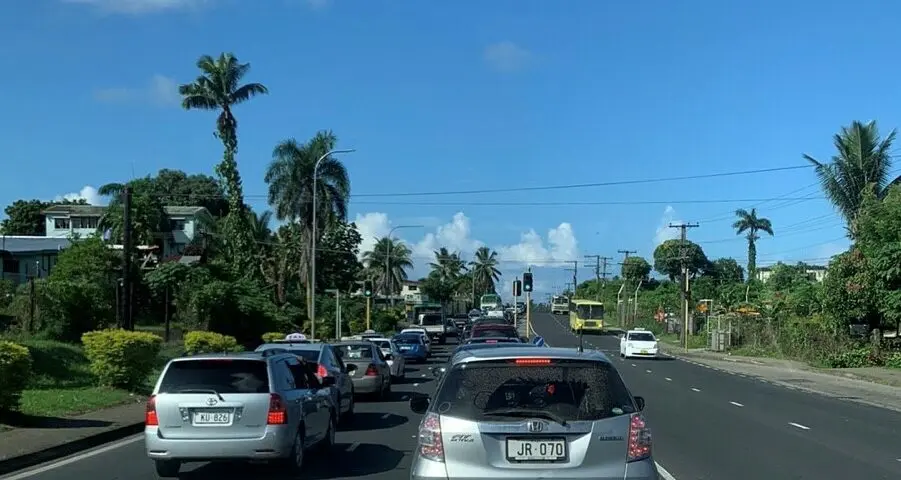
Traffic congestion across Fiji has reached a critical point and is imposing growing economic, social and environmental costs on the country, Unity Fiji leader Savenaca Narube says.
Mr Narube warned that daily gridlock in major urban corridors was no longer limited to peak hours and was now affecting commuters throughout the day.
“Traffic congestion across Fiji has reached a critical point, with daily gridlock in major urban corridors imposing mounting economic, social and environmental costs on our nation,” Mr Narube said.
Related stories
“What was once a predictable morning and afternoon rush hour has now expanded into prolonged periods of bumper-to-bumper traffic, particularly along key routes connecting Suva, Nausori, Nadi, and Lautoka. The worsening congestion is not merely an inconvenience; it is a growing national challenge that demands urgent, coordinated, and forward-looking action.”
Impacts of traffic congestion
Mr Narube said the number of vehicles in Fiji had increased significantly over the past decade because of economic growth, urban expansion and rising household incomes.
However, he said road infrastructure development and public transport modernisation had not kept pace.
Narrow roadways, limited alternative routes, ageing bridges and inadequate traffic management systems had contributed to persistent traffic bottlenecks, he said.
He also said the previous government’s decision to reduce duties on imported vehicles had added to the pressure on the road network.
“What the Government may not fully appreciate is that the total cost of this congestion is huge.”
Mr Narube said the human impact of traffic congestion was being felt daily by commuters across the country.
Thousands of people were spending hours in traffic each week, reducing time with family, increasing stress and affecting productivity.
Students travelling to schools in urban centres were also affected by long travel times, which could impact punctuality and academic performance.
Workers were arriving at offices already fatigued while small business owners and service providers faced delays that disrupted schedules and increased operating costs.
Emergency response vehicles, including ambulances and fire services, were also encountering delays that could have life-threatening consequences.
Mr Narube said the economic impact was equally concerning.
Traffic congestion was increasing fuel consumption, vehicle maintenance costs and freight delivery times, while businesses were facing higher logistical expenses that were often passed on to consumers.
Tourism could also be affected, he said.
Visitors travelling between Nadi International Airport and major resorts expected smooth and efficient transport, and persistent delays risked undermining Fiji’s reputation as a destination.
Mr Narube said urbanisation and rising housing costs had pushed more housing developments further from employment centres, increasing reliance on private vehicles.
Roadworks, while necessary for upgrades and maintenance, were also contributing to congestion because of limited detour planning and public communication.
“Unity Fiji understands that addressing this challenge requires a comprehensive and multi-pronged strategy. But the concern is that the Government like its predecessors is not doing anything about it.”
Solutions
Mr Narube said Unity Fiji was proposing a four-point plan to address traffic congestion.
“First, we would improve traffic management. This includes synchronization of traffic lights, removing unnecessary road dividers, two lane markings where the road is wide enough, redirecting traffic signs, minor road widening, and introducing temporary additional lanes in high-traffic corridors. We will also encourage carpooling and explore park-and-ride facilities on the outskirts of major urban centers. These would not cost much but would make an immediate improvement in traffic flows.”
“Second, we will increase investment in transport infrastructure. This includes widening critical road segments, constructing additional bridges, and exploring alternative routes to ease pressure on existing corridors.”
“Third, we will review the strategic urban plan to ensure that future developments incorporate mass transport considerations from the outset.”
“Fourth, we will strengthen coordination between the government agencies, municipal councils, and the Land Transport Authority to minimize the impact of their actions on traffic flow.”
“Unity Fiji fully understands the complexity of the worsening traffic congestion in Fiji, but we must do something about it immediately. With decisive leadership, sustained investment, and collaborative action, we can restore efficiency to our transport networks and improve quality of life for all Fijians.”
Mr Narube said delaying action would only worsen the problem.
“My major concern is that the cost of inaction will only grow, economically, socially, and environmentally. Now is the time to commit to a bold, integrated transport strategy that supports national development, protects our environment, and ensures that Fiji remains connected, competitive, and resilient in the years ahead.”








