Remembering Fiji's Titan Of Diplomacy
Satya, as he was known wore many hats – a lawyer, diplomat, friend, foe, leader, negotiator, a lecturer, husband and a father.
Sunday 08 March 2020 | 12:20
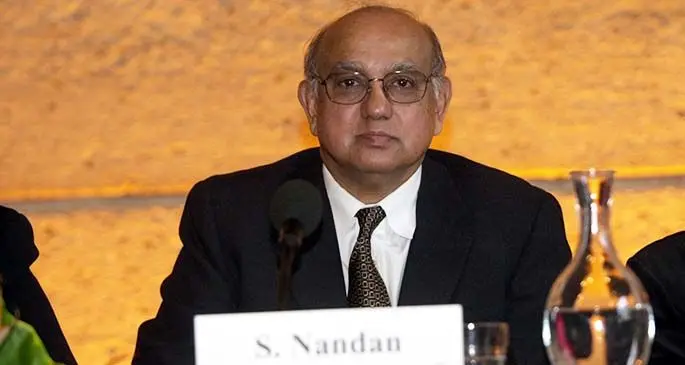
There are very few people in the world who can be genuinely credited for making a lasting impact on the global stage. Fiji’s very own Satya N. Nandan ranks among them.
Background
Born in 1936 to Shiu and Raj Kuar Nandan of Samabula, Satya Nandan was the youngest of 10 children.
Related stories
Over the past few weeks scores of people around the world have written to Fiji to share kind words on hearing news of his sad passing in February 25, 2020. They have written to heap praise and tributes for the far reaching work of the late Fijian diplomat in the international arena.
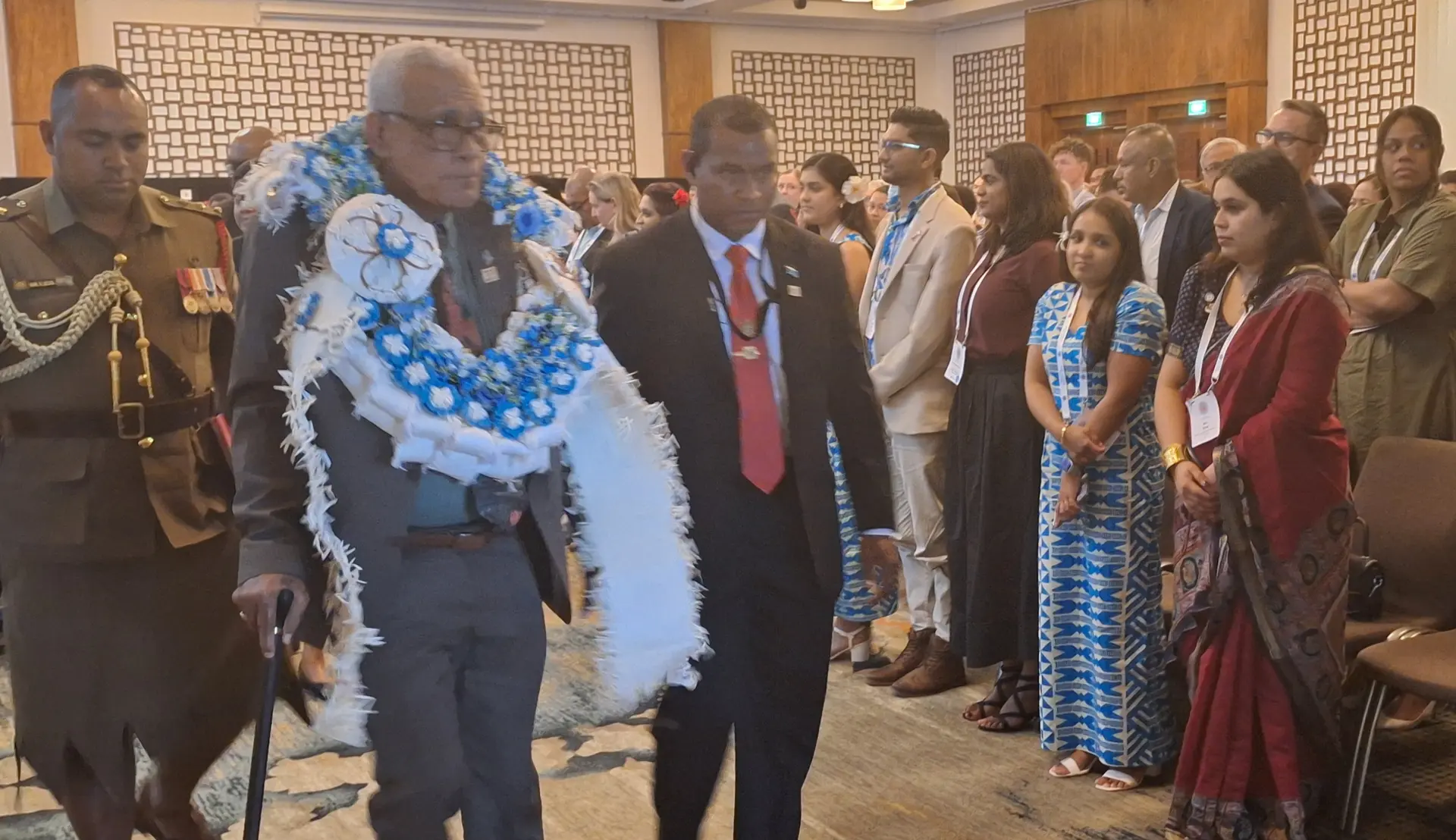
Paying tribute to the late Professor Satya Nandan, Prime Minister Voreqe Bainimarama said Fiji had lost a titan of diplomacy with the passing of his friend.
Mr Bainimarama also said Mr Nandan’s legacy was tied directly to Fiji’s independent history adding that he will be remembered as a true global citizen, a wise mentor, and a proud son of the Pacific.
Lawyer, leader, diplomat, lecturer, friend
Satya, as he was known wore many hats – a lawyer, diplomat, friend, foe, leader, negotiator, a lecturer, husband and a father.
Many who knew him described him an honest broker, an agent of change, a seasoned negotiator, and more.
He is credited and rightfully so, for his pioneering work on the UN Convention on the Law of the Sea otherwise known as UNCLOS.
Satya was a well-known figure within the UN corridor and is still remembered for his tireless work in this field. To this day his work is recorded and used in lectures in Universities across the world.
Oceans advocate
As Oceans becomes the emerging issue of the century, Ambassador Satya Nandan’s contributions to the establishment of UNCLOS as the governing legislation for oceans, is very significant and is very much alive today.
To put things in perspective, this year marks 50 years of Fiji’s Independence and membership of the United Nations.
Ambassador Nandan was a successful example of Fiji’s post-colonial assertion in the international community. His exemplary record of contributions to the UN Oceans Agenda is well recognised worldwide.
Fiji joined the UN in 1970, immediately after gaining independence. Mr Nandan was one of five diplomats appointed who comprised the newly established Fiji Foreign Affairs Department.
Not long after joining Fiji’s Foreign Affairs Department, he was posted to New York alongside Ambassador Semesa Sikivou, Fiji’s first Permanent Representative to the United Nations.
This move to New York, as Fiji’s First Secretary, would for Mr Nandan, constitute a lifelong affair with the Oceans agenda.
Negotiations for UNCLOS were a tricky affair which had begun in 1958 with several versions of the Convention passed at each annual Conference.
First Secretary Nandan headed the Fiji delegation to the negotiations for UNCLOS III from 1970 until the Convention was finally endorsed in 1982. It is no surprise, that Fiji was accorded the honour to became the first country to ratify the UNCLOS in 1982.
During this time, he was appointed as Fiji’s Ambassador to the European Union, Belgium, France, Italy, Luxembourg and the Netherlands. However his work on UNCLOS continued.
The regime for archipelagic states and passage through straits used for international navigation are some of the many issues he negotiated. Most notably, throughout this process, he fiercely defended the interests of Fiji and the Pacific Island States.
Such was the confidence placed in him by the international community and the United Nations, that he was appointed Under-Secretary-General of the United Nations and Special Representative of the Secretary-General for the Law of the Sea from 1983 to 1992.
This platform, enabled him to push for the refinement of the Treaty text and gave him the mandate to resolve outstanding issues on UNCLOS.
When UNCLOS entered into force in 1994, as the Representative of Fiji, he was elected the first President of the Meeting of the States Parties to the Convention.
He was also elected Chairman of the UN Conference on Straddling Fish Stocks and Highly Migratory Fish Stocks that resulted in the ground-breaking 1995 Implementation Agreement. He served for an unprecedented three terms as Secretary-General of the International Seabed Authority (ISA) from 1996, 2000 and 2004.
UNCLOS is important for Small Island Developing States as it is for the United Nations.
Fiji is fortunate that one of its own - led, participated, and influenced this very significant international law, which captures the special circumstances of large Ocean States such as Fiji and the region.
Honours
The late Satya Nandan was accorded the rank of Commander of the Order of the British Empire (CBE) in 1978 and received the honour of the Grand Cross of the Order of Merit of the Federal Republic of Germany from the President of Germany (1996) for “work in the service of the Law of the Sea and international relations”.
In 2001, he was awarded Fiji’s highest honour, Companion of the Order of Fiji (C.F.).
Fiji’s advocacy on the climate change and oceans agenda has been described by some as “punching above its weight” – suffice to say, the pioneering work and profound contributions of Satya Nandan has spurred us on to continue to be the voice for our peoples and our planet.
In his passing, Fiji and the international community have lost a great mentor and leader.
Mr Nandan played a huge role in building trust in the importance of multilateralism, in particular in the development of UNCLOS and the governance of the global oceans and high seas. His legacy in passionately fighting for the oceans lives on to this day and will continue for a very long time.
This week a condolence book will be opened at the Office of the Prime Minister for members of the public wishing to pay special tribute for outstanding contributions of the late Professor Nandan.
Feedback: nemani.delaibatiki@fijisun.com.fj