Corporal punishment has no place in schools: FWCC
The FWCC said there was no evidence corporal punishment improved behaviour, warning it instead normalised violence and reinforced harmful cycles.
Thursday 26 March 2026 | 13:30

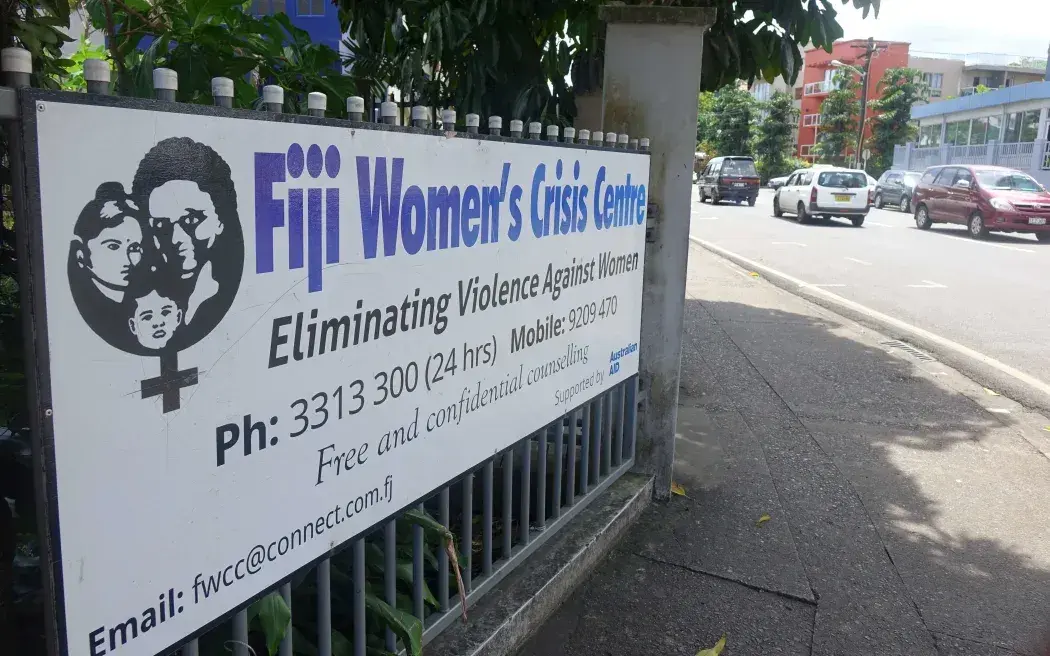
The Fiji Women’s Crisis Centre (FWCC) has condemned corporal punishment in schools, warning that violence against children can never be justified as discipline.
In a statement, the FWCC said corporal punishment was harmful to a child’s physical and emotional wellbeing and was inconsistent with Fiji’s legal and human rights obligations.
“Corporal punishment is not only harmful to a child’s physical and emotional wellbeing, it is also inconsistent with Fiji’s legal and human rights obligations.”
Related stories
The organisation said children have the right to protection from all forms of violence, particularly in schools where they should feel safe, supported and respected.
The FWCC said under the Child Welfare Act 2010, teachers are recognised as mandatory reporters, placing a legal and ethical duty on educators to identify, report and prevent harm against children.
“Teachers are entrusted with the care and protection of students and any breach of this responsibility must be treated with the seriousness it deserves.”
It said acts of violence by those in positions of authority were a violation of trust and a failure of duty.
The FWCC also highlighted Fiji’s obligations under the Convention on the Rights of the Child, which requires the State to protect children from physical or mental violence.
“Corporal punishment directly undermines this commitment and sends the wrong message about how conflict and behaviour should be addressed.”
The centre said assault against children must never be minimised or excused and that schools must remain safe environments for learning.
“Parents must have confidence that their children are being protected and not subjected to harm when they are in the care of educational institutions.”
The FWCC said there was no evidence corporal punishment improved behaviour, warning it instead normalised violence and reinforced harmful cycles.
“There is no evidence that corporal punishment leads to better discipline or improved behaviour.”
The organisation called for a shift towards positive, non-violent approaches, including counselling, teacher training and stronger collaboration between parents, teachers and communities.
FWCC also called on the Government and relevant ministries to ensure existing child protection laws are fully implemented and enforced.
“Actions that harm children must not be justified, overlooked or treated lightly.”
It said responses from institutions must reflect the seriousness of violence against children and prioritise protection.
“Children are among one of the most vulnerable members of our society. Safeguarding their rights is not optional, it is a legal and moral obligation.”








