14 western recipients get government grants
Funding under the IHRDP and Co-operatives Development Fund supports MSMEs, with Government stressing co-investment and partnership.
Sunday 26 April 2026 | 11:00
Updated 26 April 2026 | 12:17 FJT
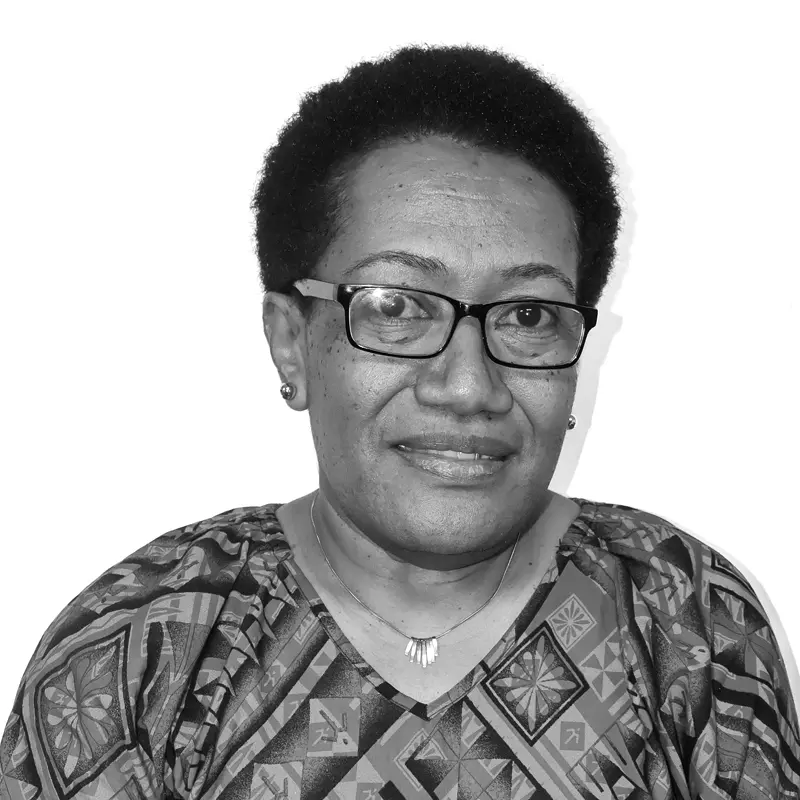
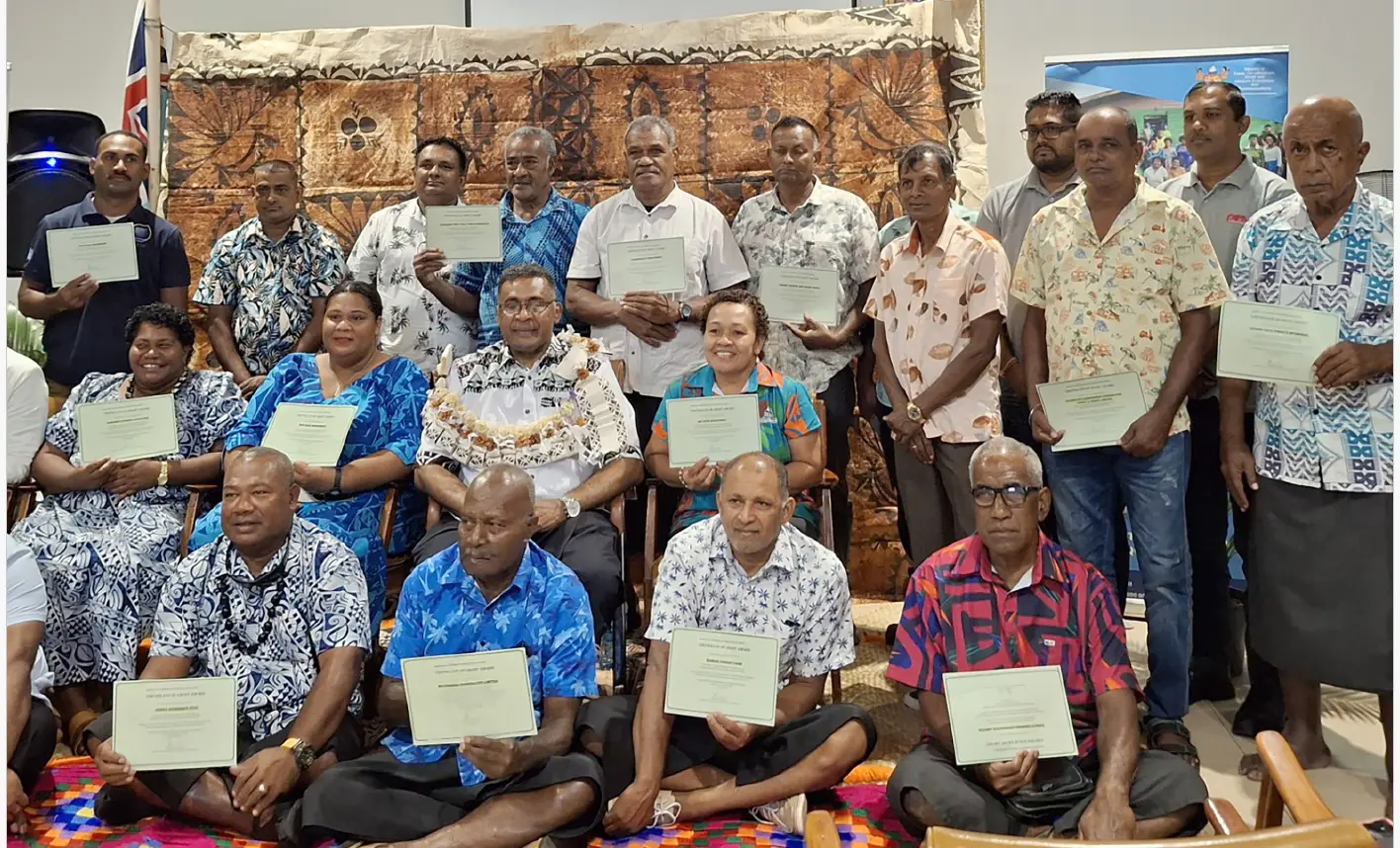
Minister for Finance, Commerce and Business Development Esrom Immanuel with participants during a certificate handover at the Lautoka City Council Chambers.
Photo: Mereleki Nai
Fourteen recipients in the Western Division have received Government grants under the Integrated Human Resources Development Programme (IHRDP).
Minister for Finance, Commerce and Business Development Esrom Immanuel highlighted the support at the Lautoka City Council Chambers on Friday, which also included beneficiaries of the Co-operatives Development Fund.
Mr Immanuel said the recipients represented some enterprising citizens in the West.
“Over the past years, including this financial year, the ministry has invested more than $4 million through the IHRDP, with many additional projects now moving through the post-approval stage. More than 60 per cent of these recipients are based here in the Western Division,” he said.
“These figures tell a story of partnership. This is not a handout. When you put your own resources into your projects, you show ownership, commitment and confidence — and that is what drives lasting success.”
Government has invested more than $900,000 in grants under the IHRDP.
“We work in partnership with recipients to provide co-investment, and when needed, financial institutions also come on board to support the growth and expansion of businesses.”
He said Government had invested more than $479,000 in the Ba Province alone.
“This demonstrates the province’s leadership in agriculture and tourism, which remain key pillars of our economic growth — from farms to tourism services. It shows how Government-supported initiatives that can transform livelihoods across sectors.
“Our investments are deliberate, strategic and aligned with national priorities. They reaffirm our partnership with MSMEs and co-operatives to strengthen food security, boost rural incomes and promote climate-resilient farming.”
He said every dollar invested delivered multiple benefits.
In one project, Government contributed about $50,000 while beneficiaries contributed more than $24,000, bringing the total project cost to nearly $74,000.
“This co-investment model recognises that real development is done with communities, not for communities. When co-operative members contribute alongside Government, they are more likely to monitor the use of assets, hold each other accountable and sustain the business long after launch.”