Bhim opposes military involvement
From an ethics and governance standpoint, she said drug control was a domestic law-enforcement matter that should remain under a fully autonomous police force, free from political and military interference.
Friday 16 January 2026 | 12:00
Updated 16 January 2026 | 14:28 FJT

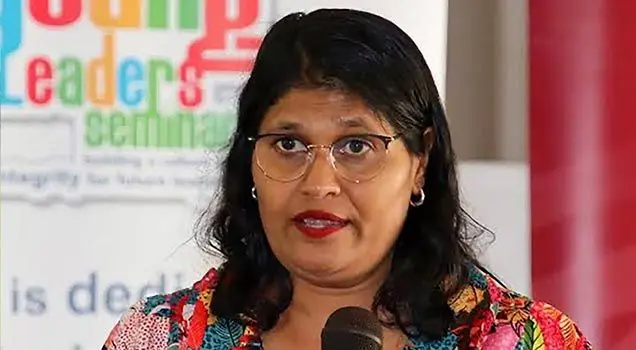
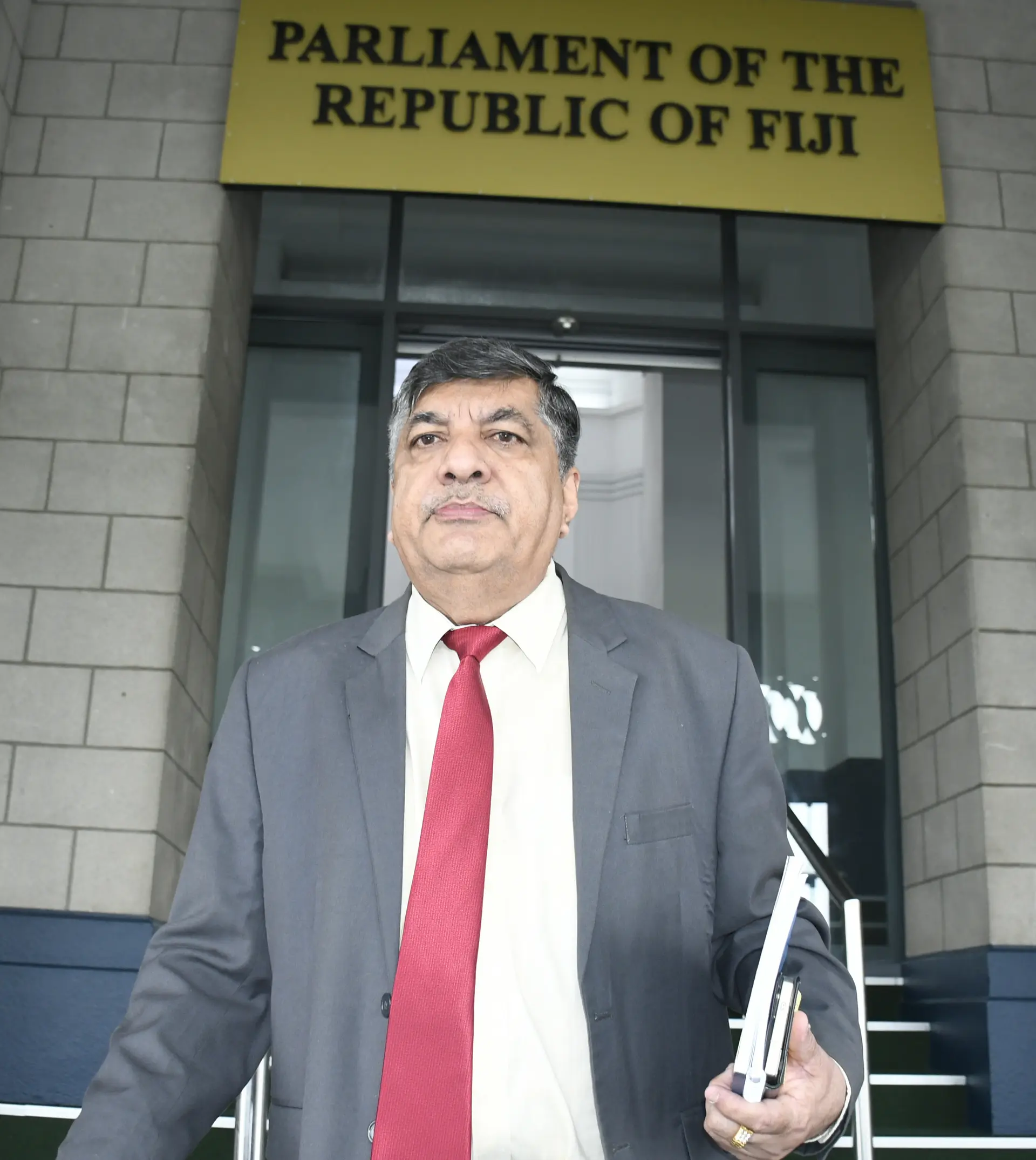
Fiji National University head of Department Ethics and Governance Mosmi Bhim.
Photo: Fiji National University
Talks to involve the Republic of Fiji Military Forces (RFMF) in combating the illicit drug trade risk reversing key democratic reforms and signals the militarisation of policing, a senior ethics and governance academic warns.
Fiji National University (FNU)head of Department of Ethics and Governance Mosmi Bhim said the announcement was “extremely alarming” and contradicted the Government’s earlier pledge to remove military influence from the Fiji Police Force.
Ms Bhim said the move evoked memories of the country’s 16-year period of electoral authoritarianism under the former Bainimarama government, when military involvement in civilian institutions became entrenched.
Related stories
From an ethics and governance standpoint, she said drug control was a domestic law-enforcement matter that should remain under a fully autonomous police force, free from political and military interference.
In democratic systems, she said, international practice clearly favoured civilian policing, while military involvement in domestic drug enforcement was more commonly seen in authoritarian states such as parts of Latin America and the Philippines during former president Rodrigo Duterte’s tenure.
Challenges
She acknowledged that illicit drugs posed serious challenges worldwide, often linked to organised crime, extortion and violence, but said this did not justify military intervention in Fiji’s internal policing.
Strengthening the police force through increased resources, specialised units and greater independence, she said, was the appropriate response.
She also warned that involving the military in drug enforcement raised serious concerns about civil liberties, accountability and the balance of power between state institutions. Drawing on international examples, she said both police and military forces were vulnerable to corruption in drug-related operations, and that military interference in civilian law enforcement had, in some countries, weakened policing institutions and enabled criminal syndicates to thrive.
While public confidence in the Fiji Police Force has been undermined by corruption allegations involving some officers, she said calling in the military was not a sustainable solution.
Instead, she called for expanded community policing, neighbourhood watch programmes and stronger cooperation between police and the public.
“The military’s role in a democracy is limited to external security,” she said.
“Internal policing must remain civilian-led if Fiji is to protect the rule of law, public trust and its democratic foundations.”