Calls for compulsory drug testing for civil servants
Social worker urges stronger policing, asset monitoring, and integrity checks to combat drug offences.
Tuesday 17 February 2026 | 13:30
Updated 17 February 2026 | 17:10 FJT

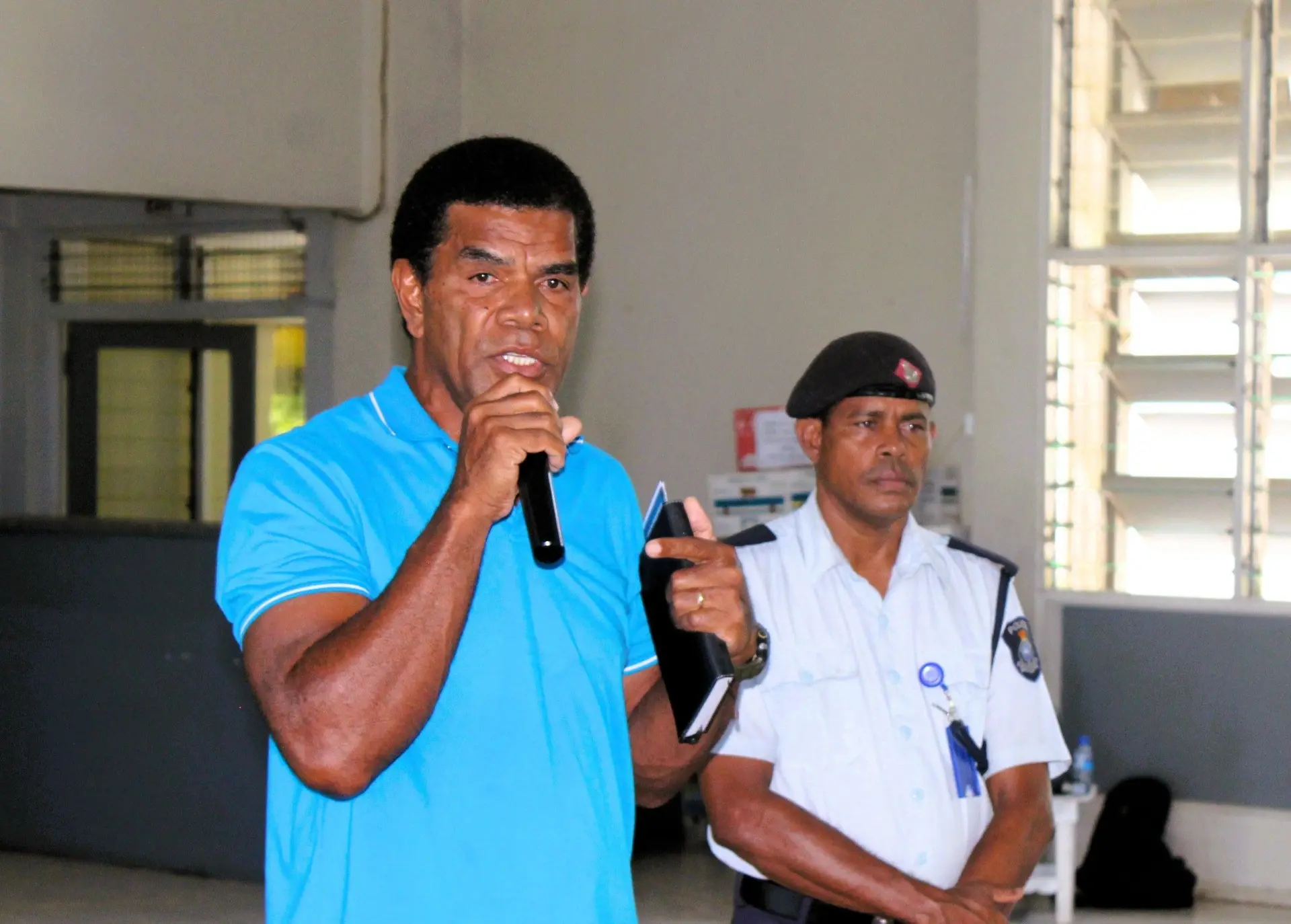
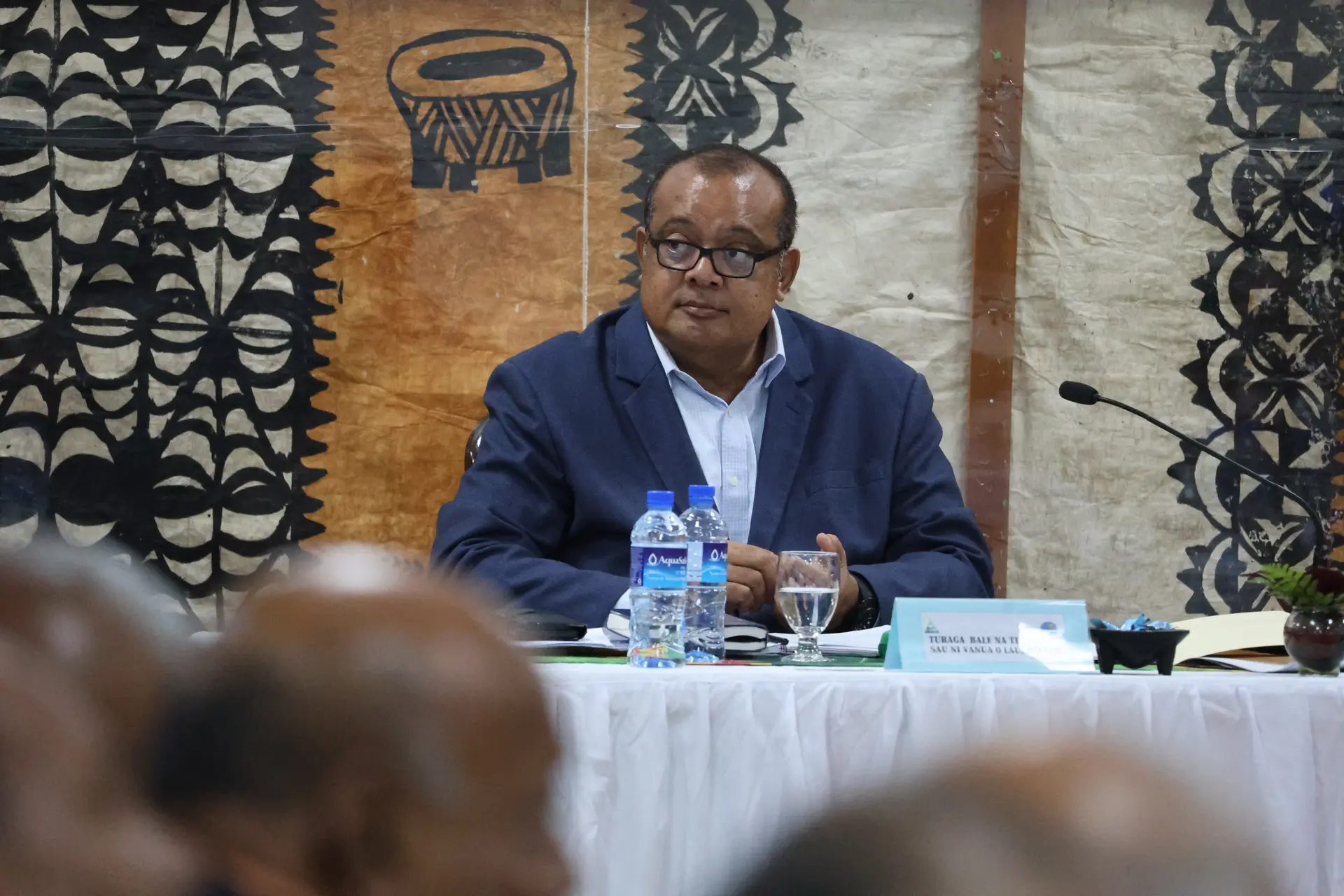
Society of Saint Vincent De Paul Fiji social worker Semese Vilise, during the public consultation on the proposed Counter Narcotics Bill in Labasa on February 17, 2026.
Photo: Sampras Anand
Civil servants and those seeking to join the public service should undergo compulsory drug testing to ensure workplaces remain safe and free from drug-related offences.
This was the view of Society of Saint Vincent De Paul Fiji social worker Semese Vilise during public consultations on the proposed Counter Narcotics Bill in Labasa.
Mr Vilise proposed that drug testing be made mandatory when new employment contracts are signed within the civil service.
Related stories
He said all government stakeholders, including immigration and biosecurity officers, should also be subjected to testing.
He further argued that the Police should closely monitor suspicious individuals, particularly their assets and monetary transactions.
“Unexplained financial imbalances should trigger investigations,” he said.
“These transactions by some drug dealers can be monitored when suspicious cash movements occur, and the Police need the knowledge to access this vital information.”
Police prosecution
Mr Vilise emphasised the need for competent and well-trained Police prosecution officers to handle alleged drug-related cases effectively.
He said those found in possession of drugs must be prosecuted to ensure they serve the required jail terms.
He highlighted instances where alleged drug offenders had been released after serving only 10 months in prison, which he said reflected weaknesses in prosecution.
Ministry of Policing representative Inspector Jemesa Lave acknowledged the submissions, noting that the Police already have mechanisms to monitor suspicious cash movements linked to drug activities.
He said asset checks are conducted to determine whether properties or other assets acquired by accused persons are proceeds of crime, which can then be seized.
Concerns over cash payments
Mr Vilise also raised concerns about some Chinese business operators allegedly refusing to accept MPAiSA transactions and insisting on cash payments, warning that such practices could conceal illegal activities.
He stressed that the proposed Counter Narcotics Bureau should be staffed by officers of proven integrity and good character.
“Officers joining this bureau should be vetted and ensured they have no corruption-related offences within their work,” he said.
Mr Kalougivaki added that officers recruited into the bureau would be thoroughly vetted and required to demonstrate competence to support the fight against drugs.