Domestic violence dominates cases seen by FWCC
The National Domestic Violence Helpline (1560) is available 24 hours a day and is free to call from any network.
Wednesday 24 June 2026 | 16:30

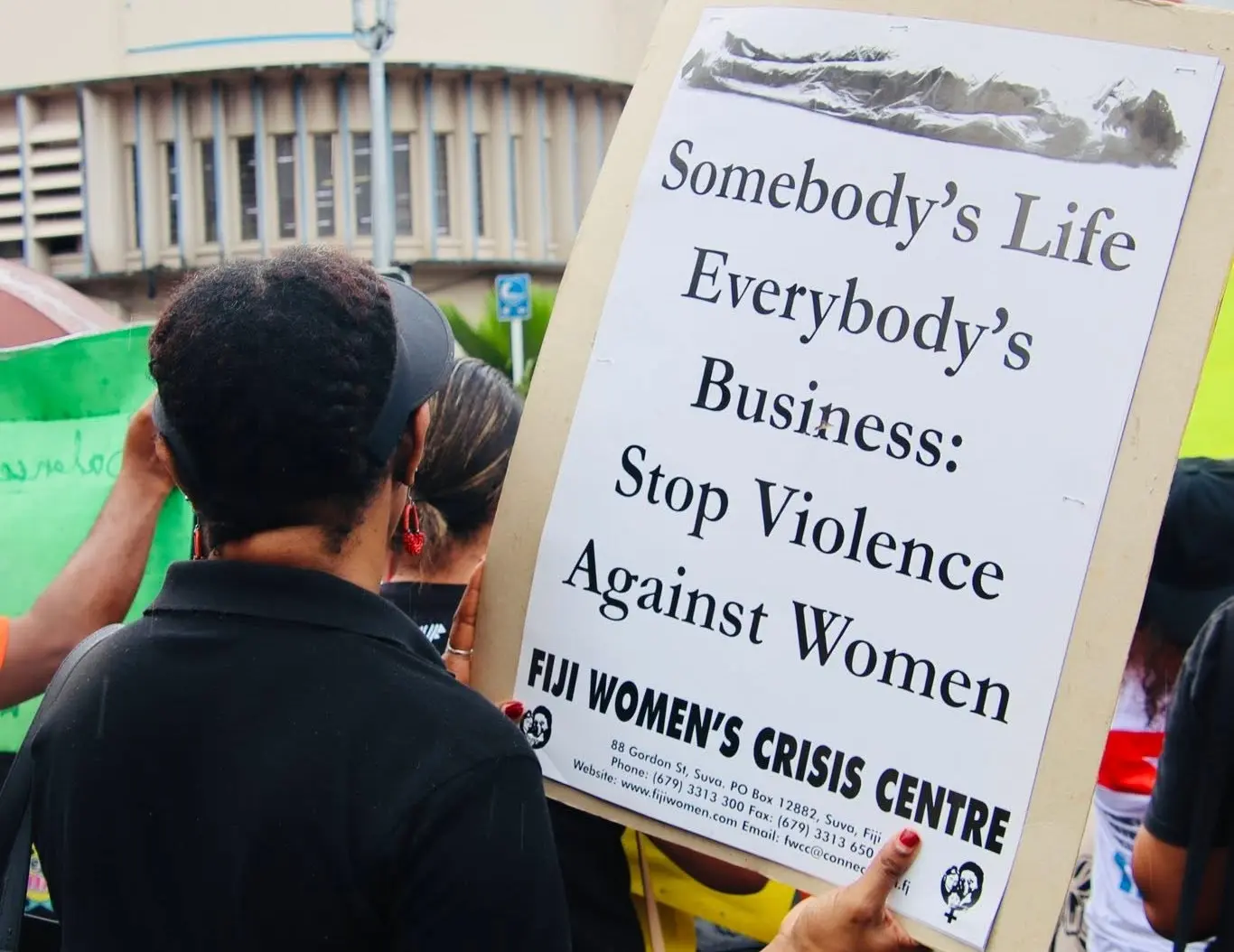
FWCC and its branches continue to provide confidential counselling, advocacy and support services to survivors throughout Fiji.
More than two-thirds of the new cases handled by the Fiji Women's Crisis Centre (FWCC) and its branches this year involved domestic violence, highlighting what the organisation says remains one of Fiji's most widespread human rights issues.
Counselling statistics from January to May 2026 show FWCC and its branches received 829 new cases, of which 558 were domestic violence cases.
The centre also recorded 1,023 repeat counselling sessions involving survivors of domestic violence, reflecting the ongoing trauma and long-term support many victims require.
Related stories
The statistics further reveal cases involving rape, attempted rape, sexual assault, child rape, child abuse, adult survivors of sexual violence, sexual harassment and other forms of violence.
FWCC recorded:
- 7 new rape cases
- 36 new cases of physical, verbal and emotional child abuse
- 6 new sexual assault cases
- 9 new child rape cases
- 10 new child sexual abuse cases
- 5 new sexual harassment cases
- 2 attempted rape cases
FWCC coordinator Shamima Ali said the figures represented real people seeking help and protection.
“The high number of repeat counselling sessions underscores the reality that recovery from violence is not immediate and often requires ongoing professional counselling and assistance.”
She said the continued dominance of domestic violence cases reflected both the scale of the problem and ongoing gaps in protecting survivors.
“Domestic violence remains one of the most pervasive human rights violations in Fiji. These figures represent women and children who are living with violence, fear and trauma in their own homes.”
“Domestic violence remains one of the most pervasive human rights violations in Fiji. These figures represent women and children who are living with violence, fear and trauma in their own homes.”
FWCC coordinator Shamima Ali
Ms Ali said many survivors continued to face barriers when seeking protection and justice, particularly when Domestic Violence Restraining Orders (DVROs) were not consistently enforced.
“We continue to receive reports from women who have obtained Domestic Violence Restraining Orders but remain fearful because breaches are not always responded to swiftly. A protection order is only meaningful if it is enforced.”
She said domestic violence must be treated as a serious crime rather than a private family matter.
“When a woman reports violence, she is asking for protection. Delays in responding to complaints or breaches of protection orders can place survivors and their children at even greater risk.”
“A Domestic Violence Restraining Order is often the only safeguard standing between a survivor and further violence. Failure to enforce these orders sends the wrong message to perpetrators and leaves women vulnerable.”
Ms Ali said police responses to domestic violence reports must be survivor-centred, timely, consistent and free from gender bias.
“There is impunity when survivors feel re-victimized by the police process,” Shamima said. “We still have survivors telling us stories of police failing to record complaints, urging reconciliation with the perpetrator, or minimizing the violence.”
She called for stronger accountability across institutions, improved police responses and greater investment in prevention, protection and survivor support services.
“Ending violence against women requires a coordinated national response. Communities, faith-based organizations, government agencies and law enforcement all have a responsibility to ensure that women and children can live free from violence and fear.”
FWCC and its branches continue to provide confidential counselling, advocacy and support services to survivors throughout Fiji.
The National Domestic Violence Helpline (1560) is available 24 hours a day and is free to call from any network.