HIV diagnoses rise 27 per cent in Fiji
Fiji recorded 2,016 HIV diagnoses in 2025, including 646 among people aged 20 to 24.
Monday 17 August 2026 | 17:00

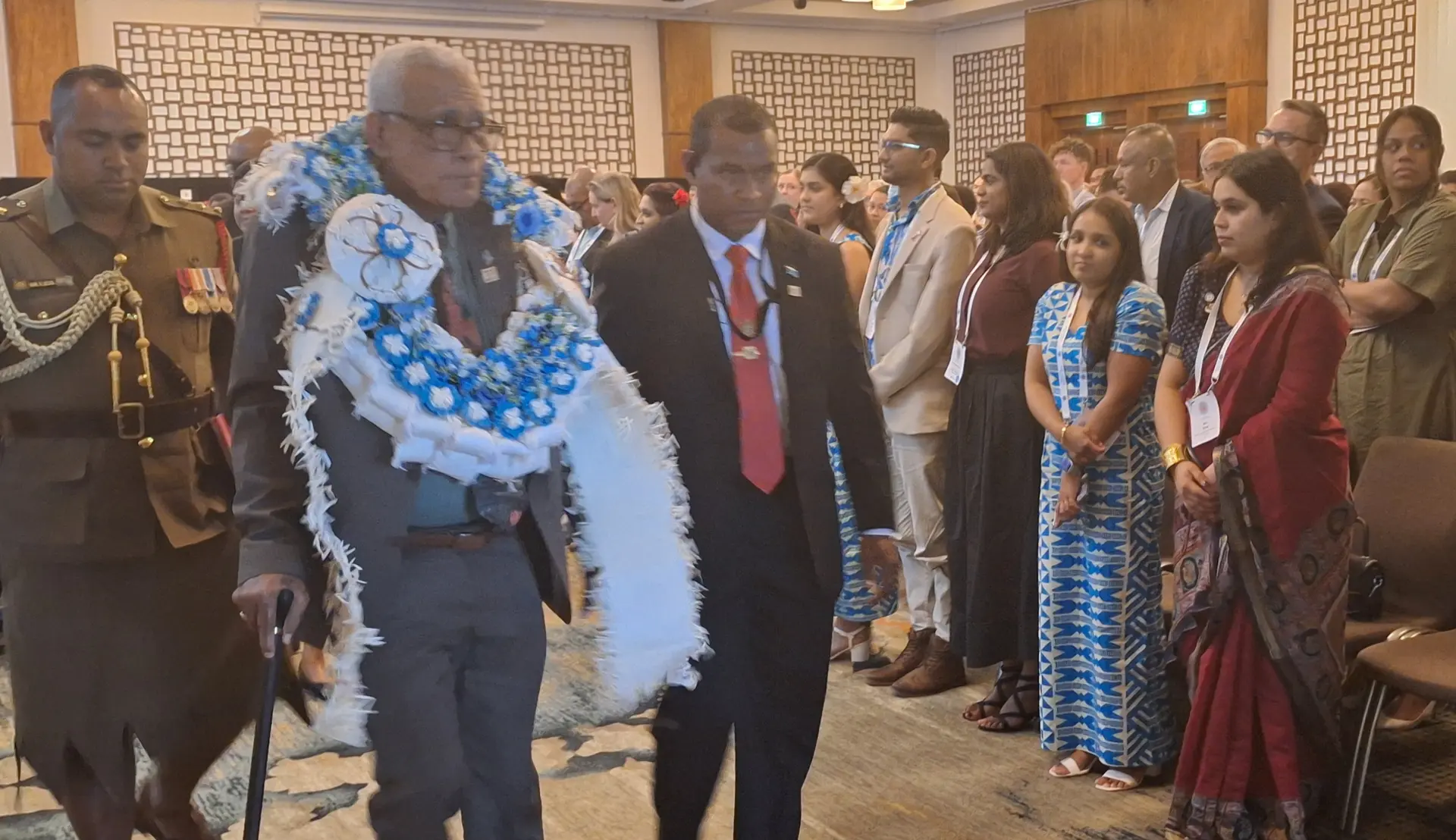
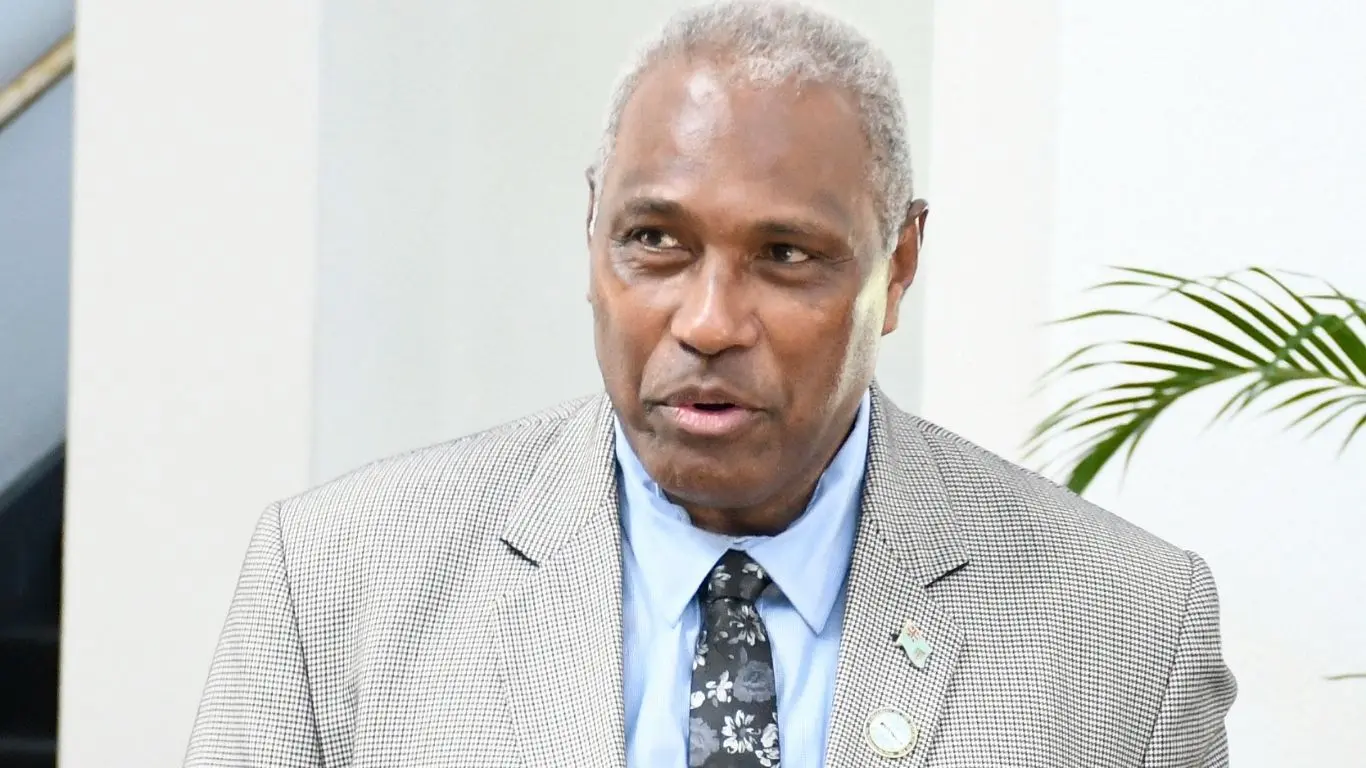
President Ratu Naiqama Lalabalavu (wearing a garland) during the inaugural Pacific HIV Symposium 2026 at the Sheraton Fiji Golf & Beach Resort, Denarau, Nadi, on August 17, 2026.
Photo: Waisea Nasokia
Fiji recorded a record 2,016 HIV diagnoses in 2025, with young people accounting for a significant proportion of cases.
Speaking at the inaugural Pacific HIV Symposium 2026 at the Sheraton Fiji Golf and Beach Resort in Denarau today, President Ratu Naiqama Lalabalavu said the figure was a 27 per cent increase from the 1,583 diagnoses recorded in 2024.
He cautioned that diagnoses recorded in a particular year did not necessarily represent infections acquired during the same period, as expanded testing was also identifying people who had previously remained undiagnosed.
Related stories
However, Ratu Naiqama said national evidence pointed to ongoing and rapidly increasing transmission, with no room for complacency.
The age profile was a particular concern, with people aged 20 to 24 accounting for 646 diagnoses in 2025 — almost one in every three cases.
“When an epidemic becomes concentrated amongst young people, the consequences are not limited to the health sector,” Ratu Naiqama said.
“They affect families, productivity, education, social stability and national development.”
He also highlighted the impact on children, with 56 cases attributed to mother-to-child transmission and 17 HIV-related deaths recorded among children aged zero to 14.
Ratu Naiqama said every preventable infection in a child should prompt a review of antenatal testing, maternal care, safe delivery, early diagnosis, follow-up and family support.
At the end of 2025, Fiji recorded 3,535 people living with HIV, with 1,979 receiving antiretroviral therapy.
More than four in 10 people newly diagnosed in 2025, however, were not yet enrolled in care, while gaps remained in viral-load monitoring and documented viral suppression.
Ratu Naiqama called for faster links between testing and treatment, reliable medicine supplies, decentralised services, patient tracking and stronger follow-up.
He also linked the rising HIV burden to drug use and the sharing of injecting equipment.
“Every person, on every island, deserves prevention, testing, treatment and care without fear and without shame,” he said.