El Niño expected to peak in November or December
Ms Baleisolomone said the Northern and Western divisions had been particularly badly affected by El Niño, with rainfall levels falling well below normal.
Thursday 12 November 2026 | 06:00
Updated 12 November 2026 | 07:12 FJT
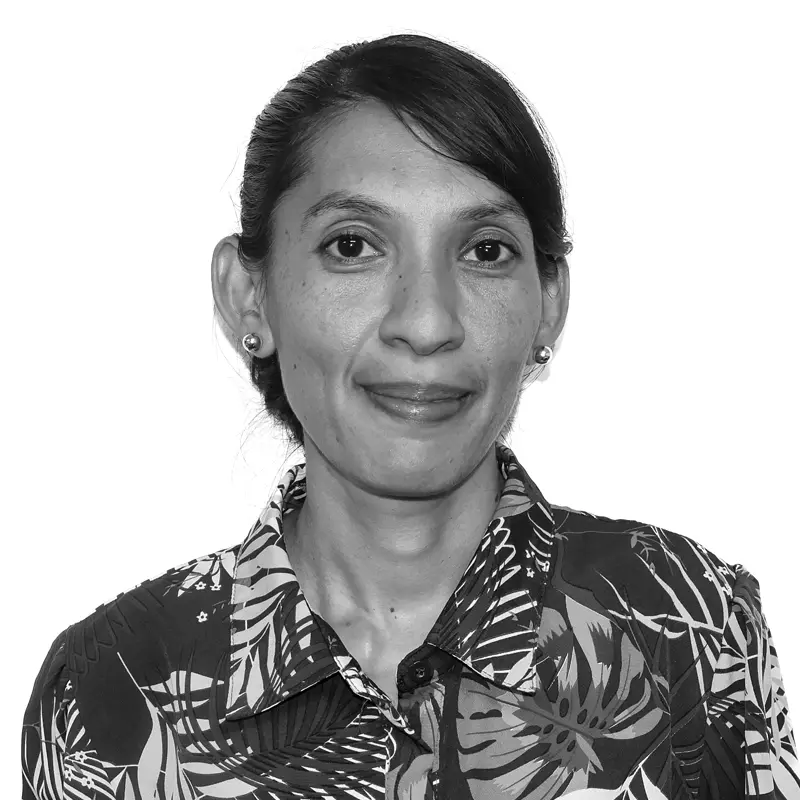
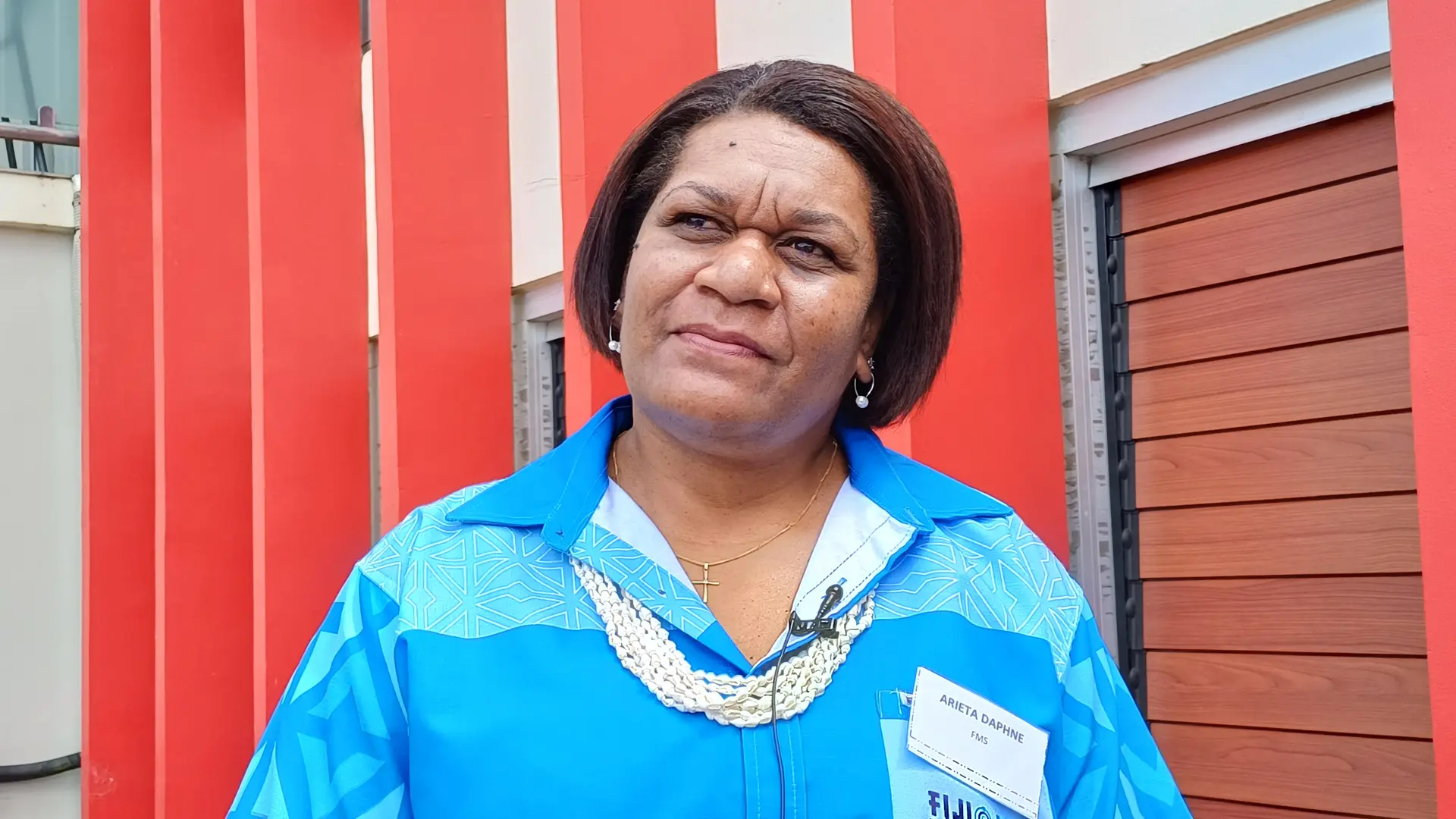
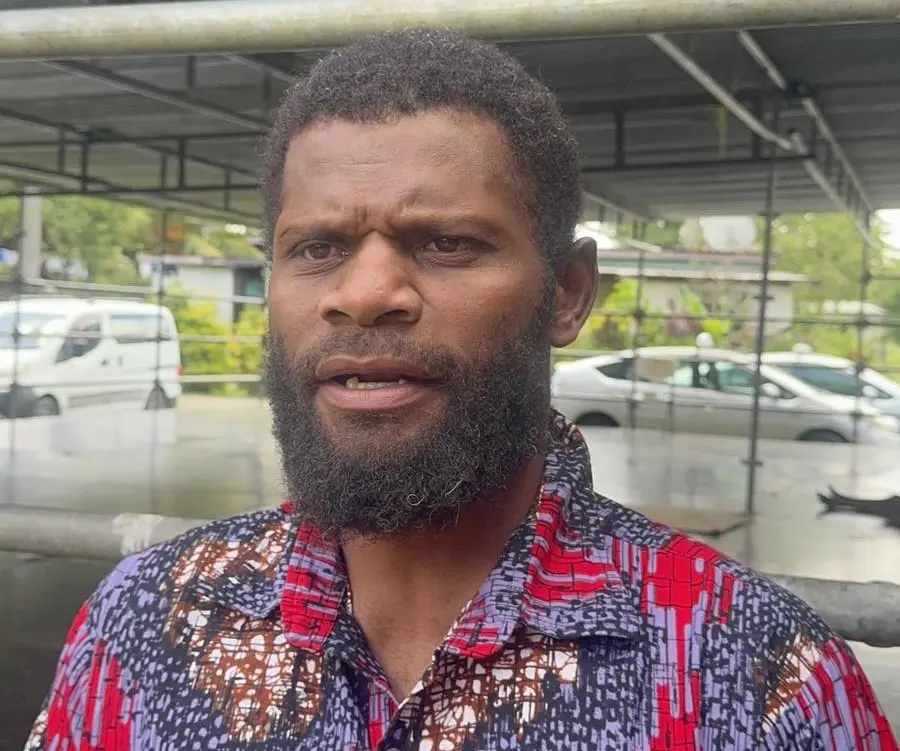
Fiji Meteorological Service (FMS) senior scientist Arieta Baleisolomone during an interview at the Ramada Hotel in Labasa on November 11, 2026.
Photo: Shratika Naidu
Fiji's prolonged dry spell could continue into the first quarter of 2027, with emergency water deliveries expected to remain necessary even after El Niño conditions begin to weaken.
Fiji Meteorological Service (FMS) senior scientist Arieta Baleisolomone issued the warning during an interview at the Ramada Hotel in Labasa yesterday, following the opening of the two-day National Climate Outlook Forum.
Ms Baleisolomone said the Northern and Western divisions had been particularly badly affected by El Niño, with rainfall levels falling well below normal.
Related stories
“Fiji is currently grappling with a severe dry spell driven by a warming El Nino event, causing rainfall levels across most of the country to plummet to well below normal levels from July through October,” Ms Baleisolomone said.
“The ongoing meteorological drought has already surpassed threshold levels across most weather stations nationwide.”
She said current observations showed sea surface temperatures warming beyond levels recorded during previous strong El Niño events.
“The event is projected to peak around late November or December, with impacts expected to linger into early next year,” she said.
“The drought is already impacting key sectors across the country.
“Water carting is currently active in affected communities and is expected to continue even after the El Nino event begins to decay.”
Making climate information accessible
Ms Baleisolomone also addressed concerns about the accessibility of weather information published on the FMS website and social media platforms.
She said efforts were underway through the Pacific Roadmap to Strengthen Climate Services to make climate information more accessible.
“Fiji is currently piloting initiatives for Gender Equality, Disability and Social Inclusion (GEDSI), which include publishing climate outlooks and ocean videos featuring sign language interpreters to ensure information reaches all citizens,” she said.
Stakeholders had also raised concerns about the complex scientific terminology used in weather bulletins.
However, the FMS said oversimplifying the language could change important technical meanings.
The service is responding through community awareness programmes, using simpler language where possible and including more accessible vocabulary in its bulletins.