Fiji Weather Today: Live Conditions and Forecast
Live temperatures and conditions for every main centre, refreshed every hour, with the seven-day outlook and the latest weather news from the Fiji Sun newsroom.
Right now across Fiji
Suva
20°
Cloudy
93% humidity
Labasa
21°
A shower
94% humidity
Savusavu
21°
A shower
94% humidity
Tavua
21°
Cloudy
72% humidity
Rakiraki
20°
Some clouds
84% humidity
Sunrise
5:37AM
Sunset
6:06PM
UV index
9: Very high
Chance of rain
100%
Seven-day outlook
Today
25° 21°
100%
Fri
26° 20°
88%
Sat
26° 21°
49%
Sun
24° 20°
76%
Mon
24° 20°
71%
Tue
24° 19°
47%
Wed
24° 19°
50%
NDMO helplines
FAQs
Is there a cyclone warning in Fiji right now?
Only the Fiji Meteorological Service in Nadi can confirm that. Its bulletins at met.gov.fj are the official record. Any active alert or warning is also covered in the Fiji Sun weather news list on this page.
What is the difference between a cyclone alert and a cyclone warning?
An alert means a tropical cyclone could affect your area within about 48 hours and you should start preparing. A warning means damaging winds are expected: a Gale Warning is average winds of 63 to 87km/h, a Storm Warning 88 to 117km/h, and a Hurricane Warning 118km/h or more, with gusts well above those figures.
When is Fiji's cyclone season?
1 November to 30 April, with the highest risk from January to March. Cyclones have formed outside those dates, so a warning in October or May is unusual but not impossible.
Why does Suva get so much more rain than Nadi?
The southeast trade winds push moist air up the windward side of Viti Levu, so Suva and the eastern side receive roughly twice Nadi's annual rainfall. The west sits in the rain shadow of the interior highlands, which is why the coast from Nadi to Sigatoka stays drier and sunnier all year.
How do El Niño and La Niña affect Fiji?
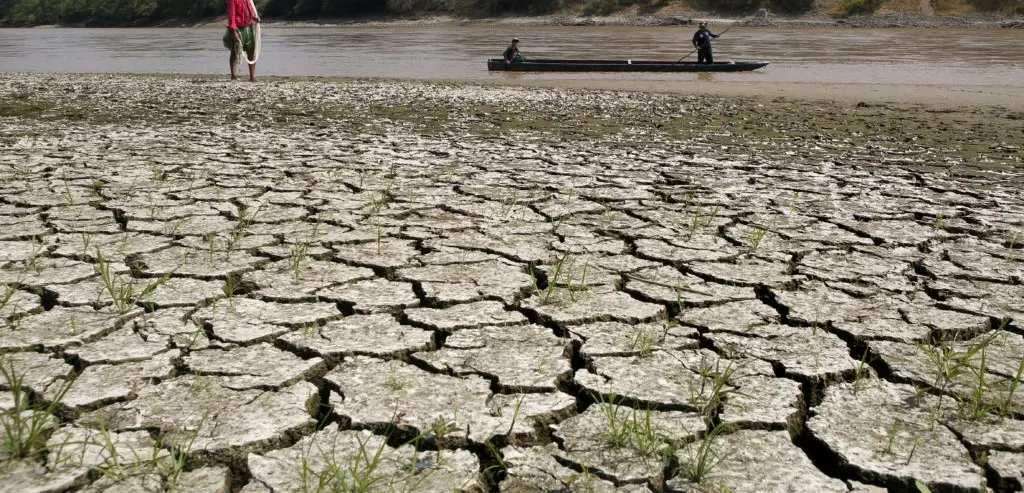
El Niño usually leaves Fiji drier than normal, with the worst rainfall deficits in the west and north and a drought risk in a strong event. It does not make the cyclone season safe: El Niño pushes cyclone formation eastwards, closer to Fiji, and Severe TC Winston struck in a very strong El Niño year. La Niña does the reverse, bringing wetter conditions and flooding in the river deltas while cyclone activity sits further west.
When is Fiji's wet season and dry season?
The wet, hot season runs November to April: humid days, afternoon downpours, and the cyclone risk. The dry, cooler season is May to October, with steadier trade winds and coastal temperatures usually in the mid-20s.
What should I do when a heavy rain or flood warning is issued?
Move vehicles and stock to higher ground early, since flash flooding hits low-lying and river-delta areas around Nadi, Ba, Rakiraki, Sigatoka and Navua fastest. Never drive or walk through floodwater, and follow National Disaster Management Office advice on evacuation centres.
How high does the UV index get in Fiji?
Fiji sits close to the equator, so midday UV regularly reaches the very high to extreme range, especially from November to February. Unprotected skin can burn in about 15 minutes, so cover up or stay in shade between 10am and 3pm.
Seeing the weather change where you are?Send a photo
Send the newsroom a photo or a short clip - flooding, a swollen river, damage, a break in the cloud.
Sign in or create a free account to send one. An editor reviews every submission before it appears here.
By town
- Tavua21° · Cloudy
- Rakiraki20° · Some clouds
- Labasa21° · A shower
- Yasawa21° · Cloudy
- Mamanuca21° · Cloudy
- Savusavu21° · A shower
- Lomaiviti20° · Cloudy
- Lau25° · Clear
- Kadavu20° · Cloudy
- Rotuma25° · Clear
- Suva20° · Cloudy
Sign up to News Weekly
A round-up of Fiji’s top stories and key headlines delivered to your inbox every week.