FICAC seeks removal of Attorney-General as reporting authority
Ms Rokoika proposed that FICAC report directly to Parliament as a whole, rather than to a specific office holder, to safeguard its independence.
Thursday 23 April 2026 | 07:30

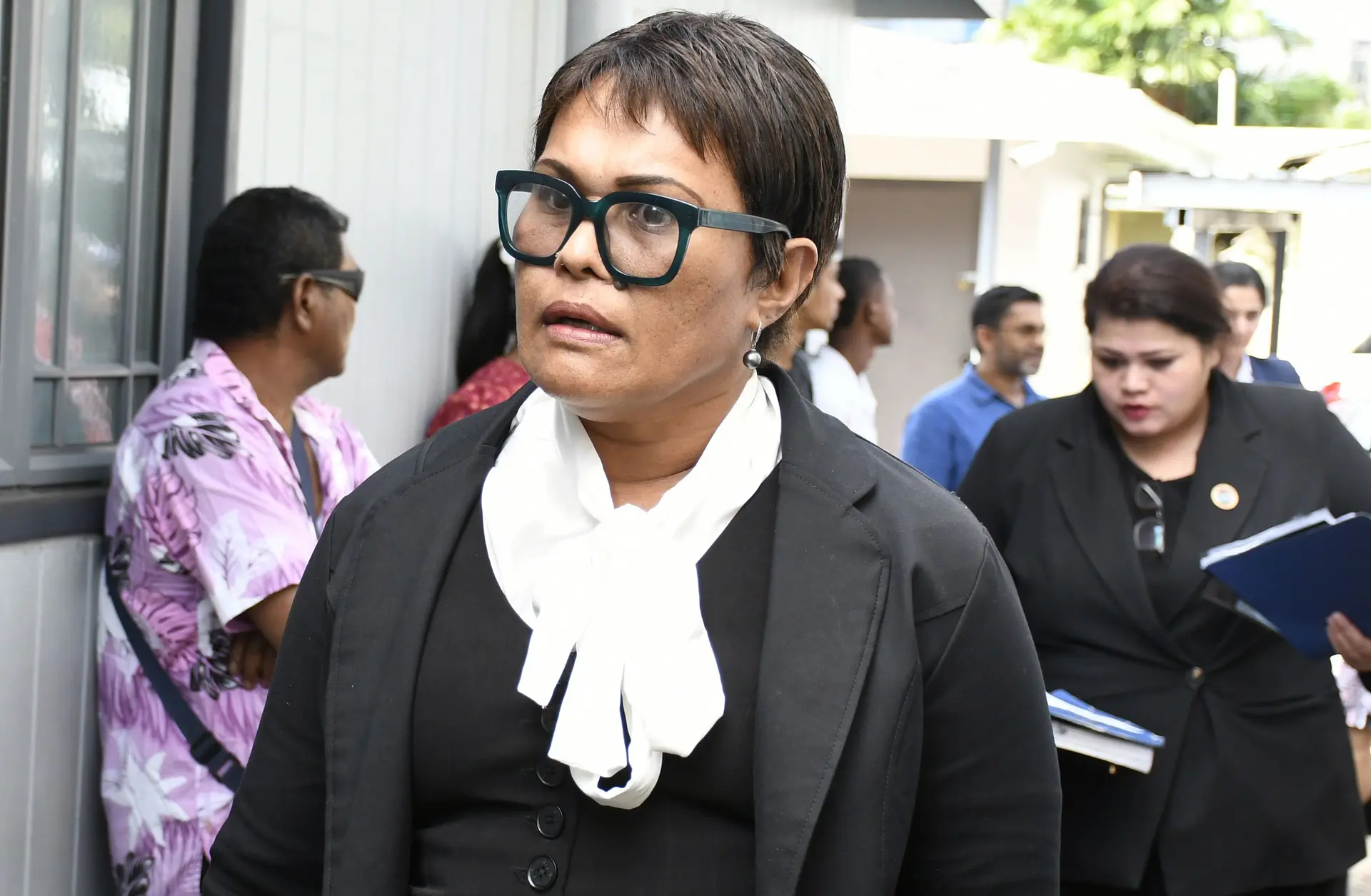
Acting Fiji Independent Commission Against Corruption Commissioner Lavi Rokoika.
Ronald Kumar
Acting FICAC Commissioner Lavi Rokoika has proposed removing the Attorney-General as the reporting authority for the Fiji Independent Commission Against Corruption.
Making submissions to the Constitution Review Commission, Ms Rokoika said the current requirement for mandatory reporting to the Attorney-General weakened FICAC’s independence.
She said references to the Attorney-General had been removed in their submission, citing concerns that investigations involving members of the Executive, including the Attorney-General, could create conflicts for the Commission.
Related stories
Ms Rokoika proposed that FICAC report directly to Parliament as a whole, rather than to a specific office holder, to safeguard its independence.
She also submitted that appointments or recommendations by the Judicial Services Commission or the Constitution Offices Commission should require confirmation by Parliament.
She said Parliament would be the best institution to scrutinise the appointment of the Commissioner, as parliamentarians are elected representatives.
When questioned by Commission Chair Sevuloni Valenitabua on why FICAC required parliamentary oversight unlike other commissions, Ms Rokoika said this was to avoid issues similar to the current court case regarding the validity of the Acting Commissioner’s appointment.
Responding to a question by Commissioner John Fatiaki on whether FICAC is weaponised, Ms Rokoika said the issue was one of public perception.
She said concerns about perception affected accountability and international ratings.
Ms Rokoika said FICAC has mechanisms in place to safeguard its operations, including how complaints are handled and processed through to investigations.
She also proposed that whistleblower protection be explicitly included in the Constitution to strengthen safeguards for informants.
In her submission, she recommended that the Commissioner be a qualified judge, with removal processes similar to those for judges in cases of misbehaviour.
Ms Rokoika also said the Commissioner’s tenure should be reduced to three years from the current seven.
On accountability, she said FICAC should submit annual and special reports to Parliament and ensure they are made publicly available.
When asked whether FICAC’s powers should be transferred to the Office of the Director of Public Prosecutions, Ms Rokoika said the Commission should remain a specialised body focused on anti-corruption, with some responsibilities extending to electoral offences.
The Constitution Review Commission continues to receive submissions this week and is expected to begin public consultations in May.