Government eyes mini-budget as fuel costs pressure economy
Economist Mahendra Reddy questions whether current economic conditions justify extraordinary fiscal intervention.
Tuesday 19 May 2026 | 09:00

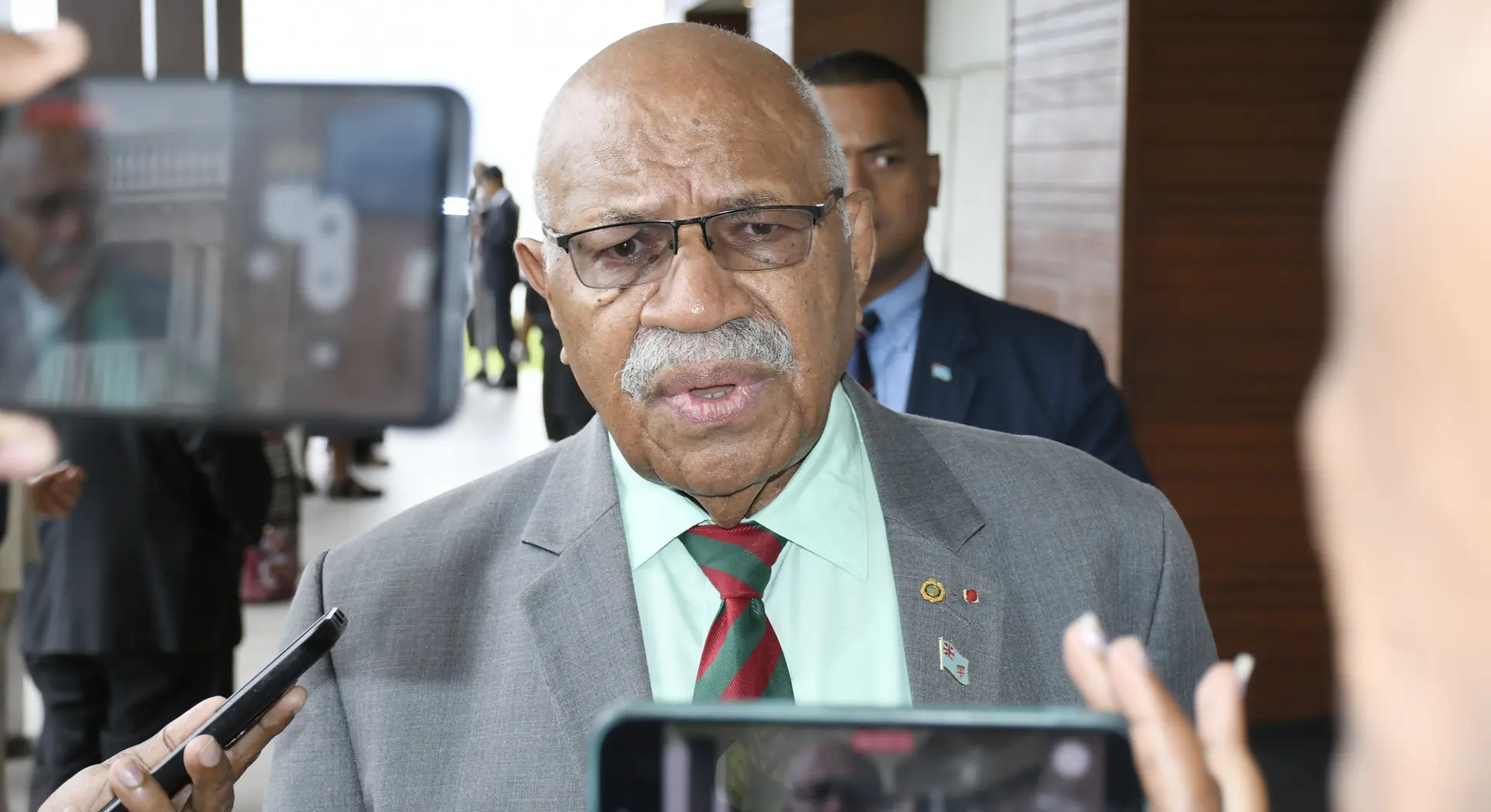
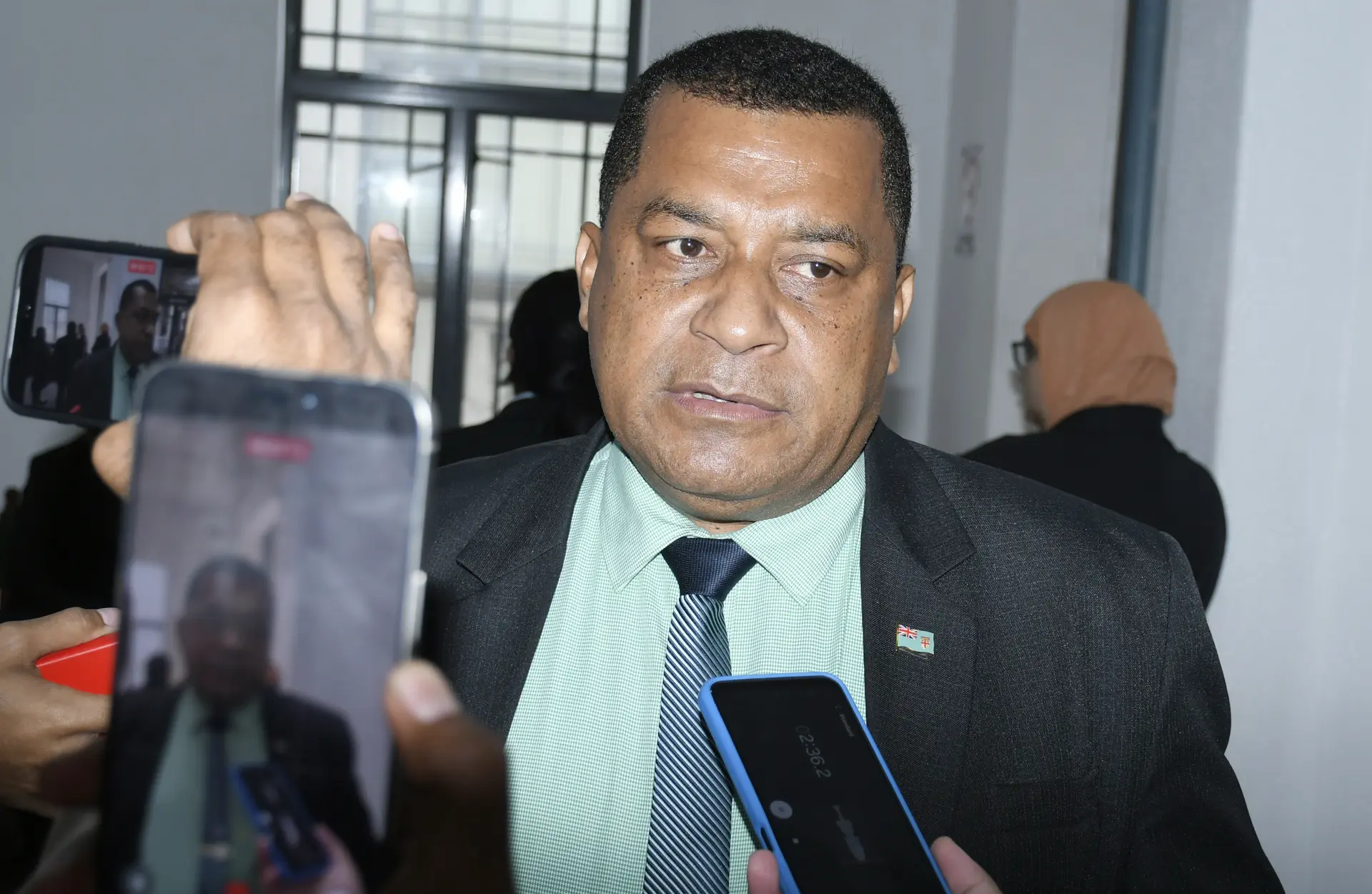
Prime Minister Sitiveni Rabuka at the Grand Pacific Hotel in Suva on May 18, 2026.
Photo: Ronald Kumar
Prime Minister Sitiveni Rabuka says his Government is considering a mini-budget to carry Fiji through the rest of 2026, followed by a full budget from January next year.
The move comes as Fiji grapples with a global fuel crisis that has strained public finances and forced a rethink of how money is managed.
“We will also think about whether we will only have a mini-budget to the end of the year and a full budget from next January to December,” Mr Rabuka said at the Grand Pacific Hotel in Suva yesterday.
Related stories
The announcement follows a string of emergency measures introduced by Government in response to the global fuel crisis triggered by conflict in the Middle East.
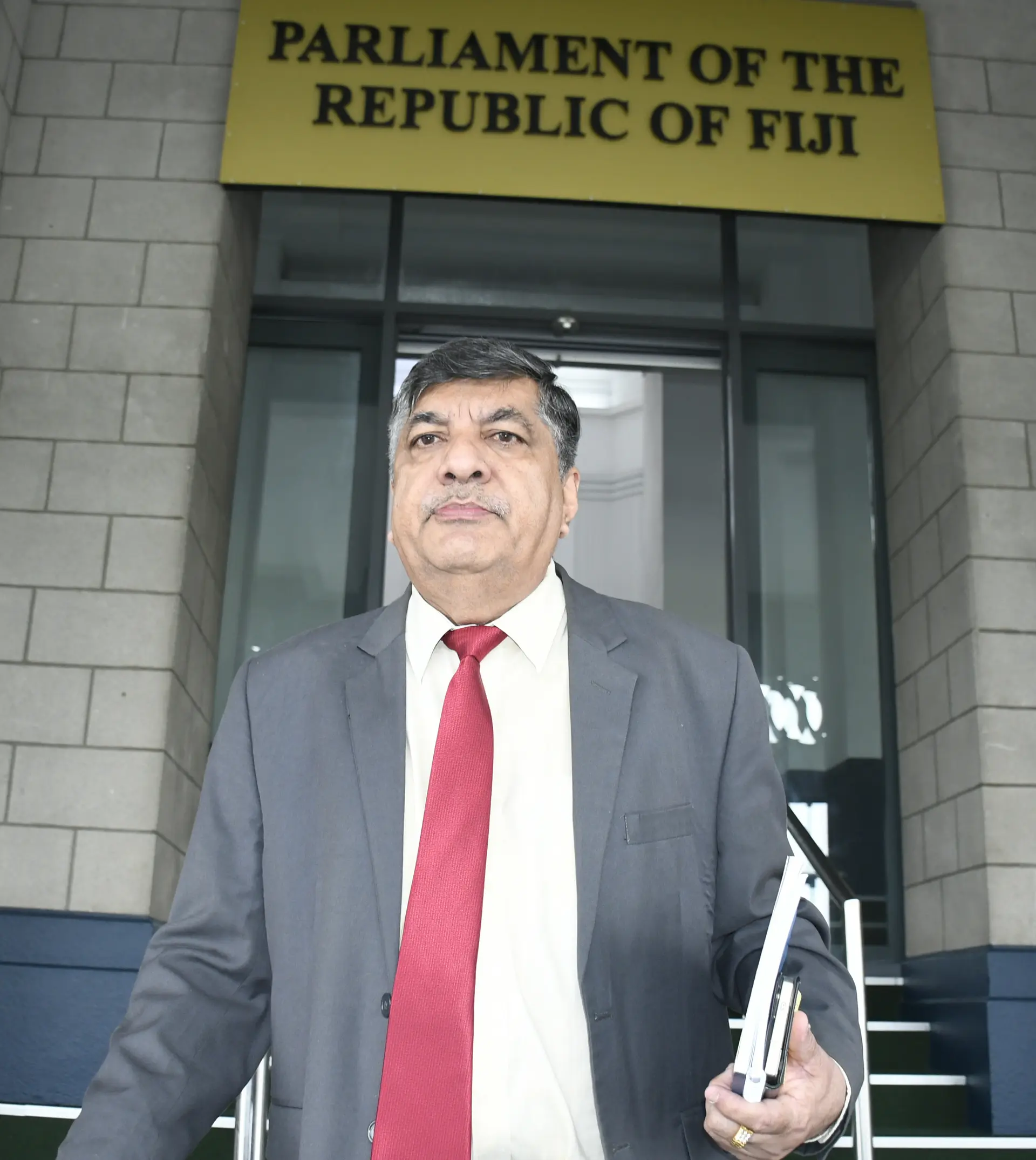
However, former minister, economist and public policy specialist Mahendra Reddy said the possibility of a mini-budget raised important questions about fiscal management and policy coordination within Government.
Mr Reddy said mini-budgets were generally reserved for major and unforeseen macroeconomic shocks, such as a global financial crisis, a devastating cyclone, a pandemic, or a sudden collapse in export earnings or tourism.
“At this stage, Fiji has not experienced a shock of that magnitude. While fuel prices have increased and global energy markets remain volatile, the situation has not yet evolved into a full-scale economic crisis requiring extraordinary fiscal intervention,” Mr Reddy said.
In April, Cabinet approved the redeployment of $56 million within the existing 2025-2026 Budget to respond to the impact of the crisis. The funding was reprioritised from delayed projects rather than new borrowing.
The package includes fuel rebates to Energy Fiji Limited to stabilise electricity supply, a temporary 50 per cent top-up to all social welfare payments for three months from May 1 to July 31, and $4 million to support bus operators and keep public transport services running.
All 55 Members of Parliament also voted unanimously for a 20 per cent pay cut. Overseas travel for ministers and senior officials has also been largely suspended, while a freeze has been placed on new positions across the public service as part of wider cost-cutting measures.
Mr Rabuka said the AU$30 million ($47m) in Australian budget support, provided under the strengthened Vuvale Partnership with Australia, would go towards areas most affected by the fuel crisis, with Finance Minister Esrom Immanuel responsible for allocating the funds.
Fiji’s current national budget runs from August to July each year. A mini-budget would act as a short-term spending plan before a new financial year beginning in January, a change Mr Rabuka said had been part of the Coalition Government’s original manifesto, but was now being brought forward because of the fuel crisis.
He said Government was also reconsidering local government elections scheduled for September, with the issue expected to form part of broader budget discussions.