Minister urges ethical leadership at ISN Model UN
Delegates debate climate change, conflict and global inequality.
Monday 20 July 2026 | 18:30
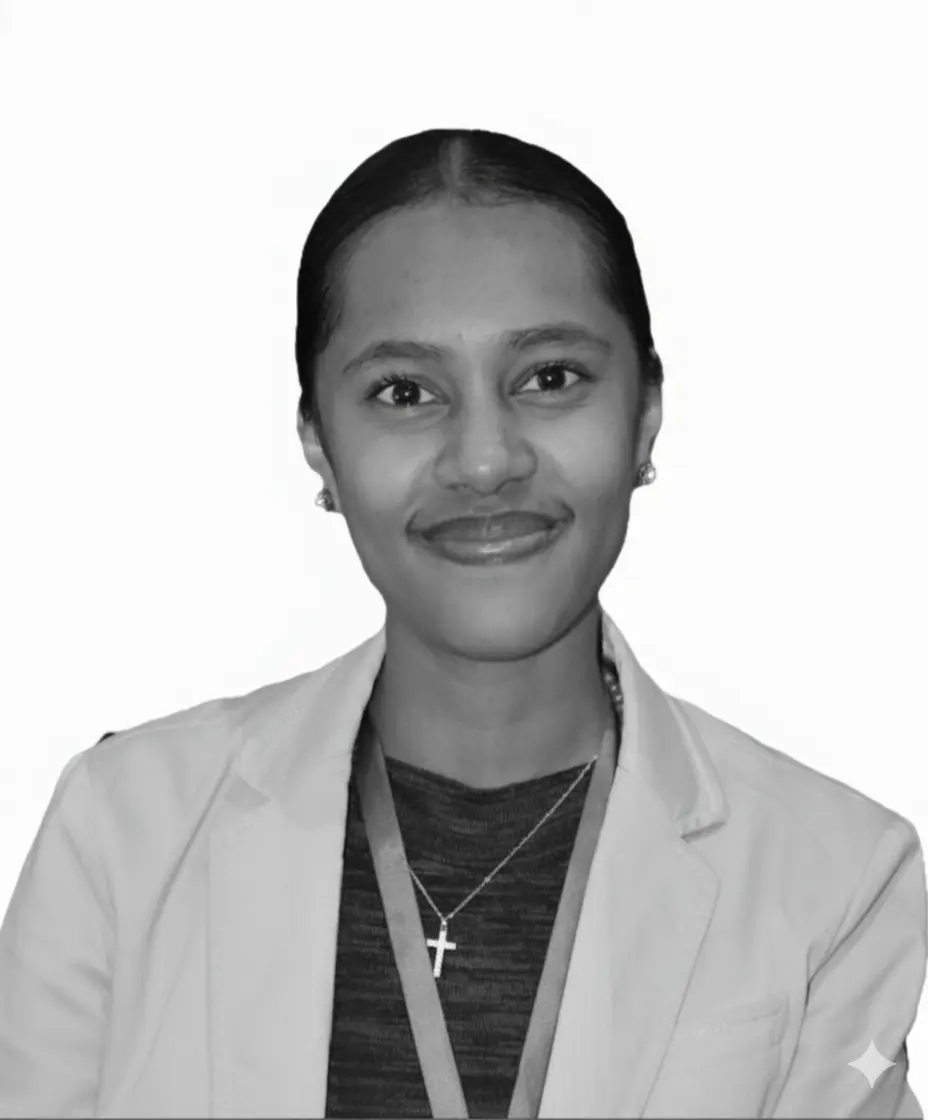
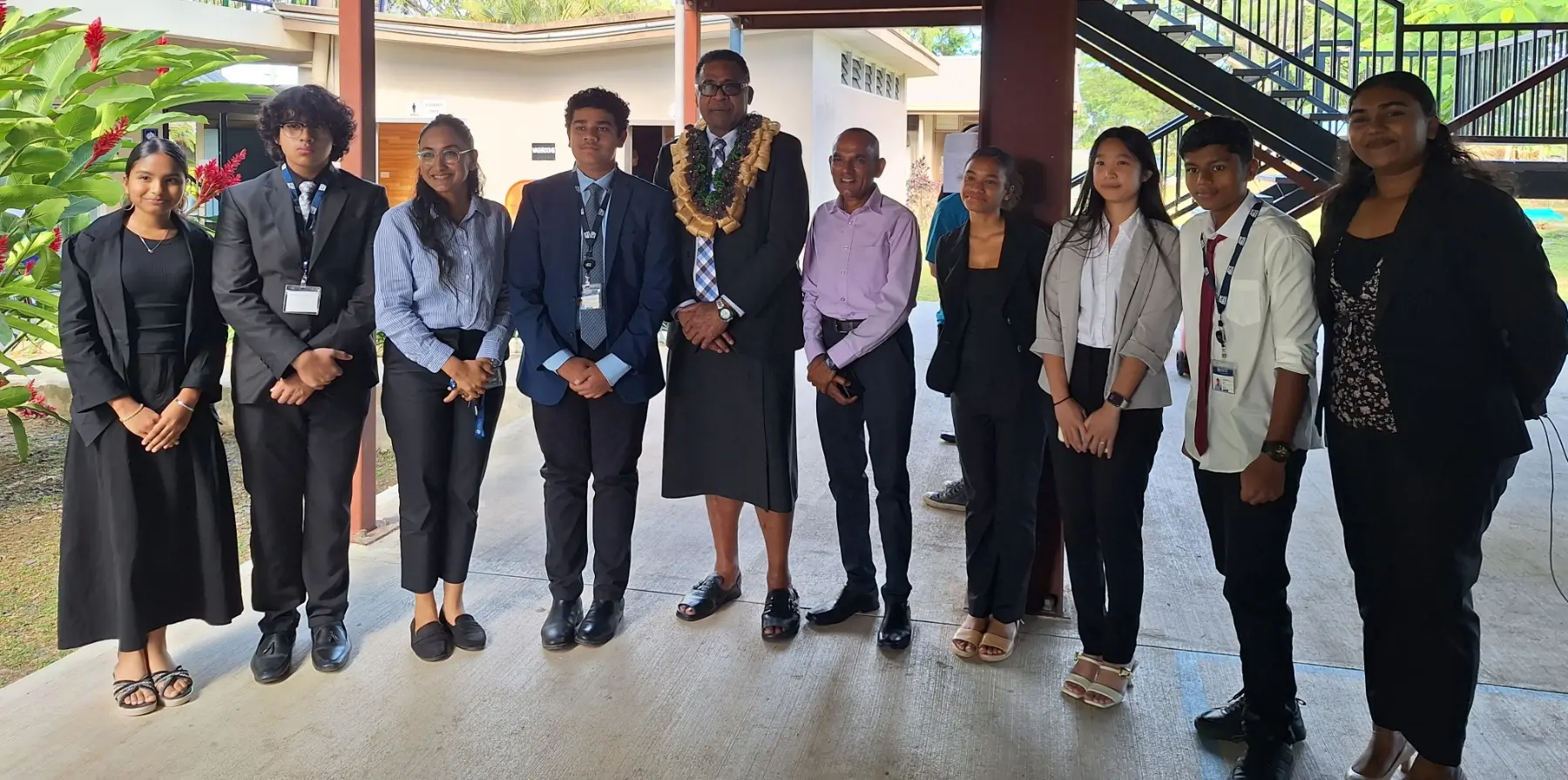
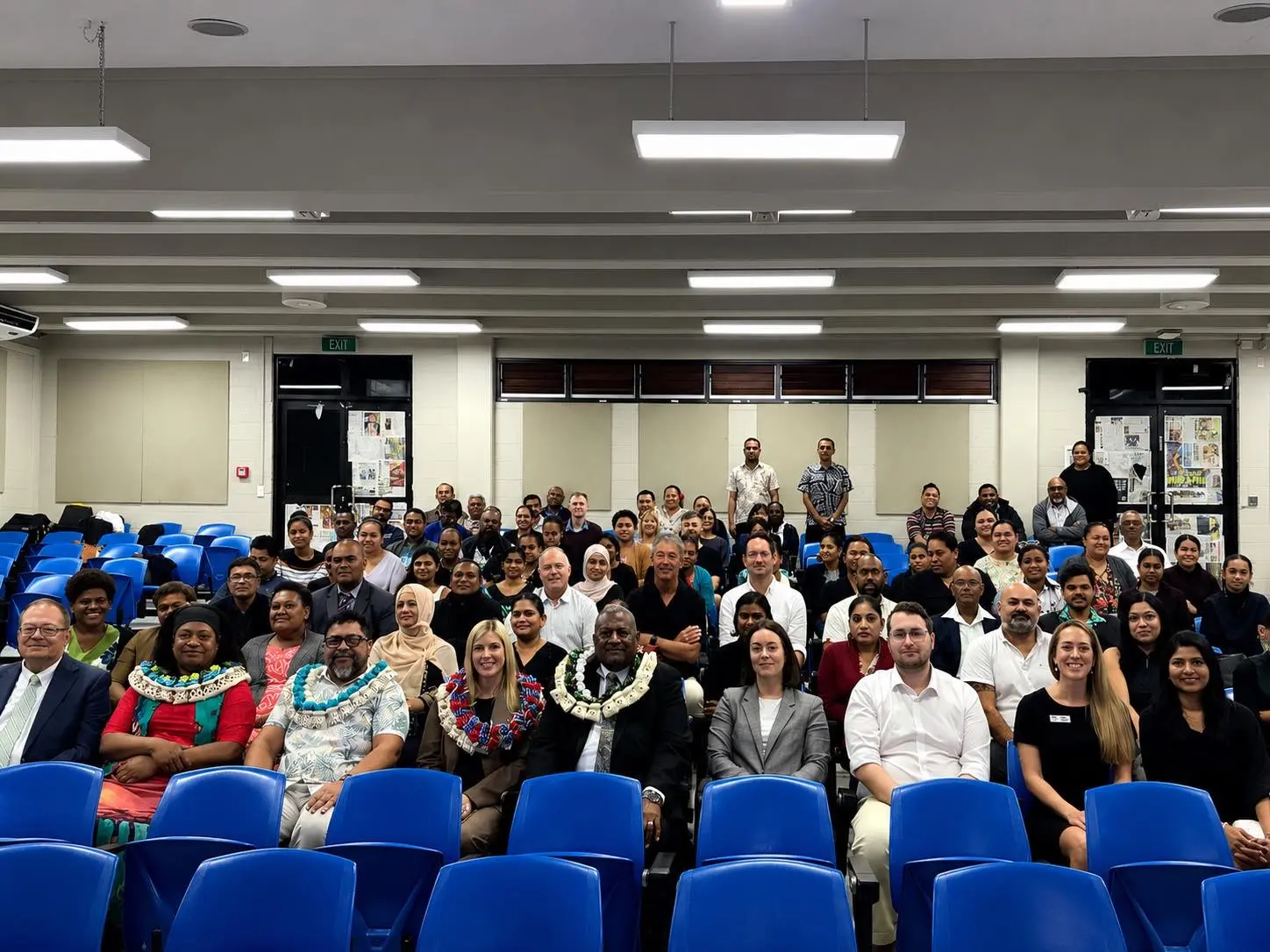
Minister for Finance, Commerce and Business Development Esrom Immanuel with the participants at the International School Nadi Model United Nations (ISN MUN) Conference 2026 in Nadi.
Photo: Katherine Naidu
Young people must become ethical global leaders capable of navigating an increasingly divided world, says Minister for Finance, Commerce and Business Development Esrom Immanuel.
He made the remarks while opening the International School Nadi (ISN) Model United Nations (MUN) Conference 2026, where students from schools across Fiji gathered to debate global issues and develop diplomacy, negotiation and leadership skills.
Mr Immanuel said tomorrow's leaders would need more than innovation and technological expertise to succeed.
Related stories
"Leadership is not about always having the loudest voice in the room. Leadership is about understanding complexity, building trust and bringing people together toward shared solutions," he said.
He said rapid advances in technology and digital transformation had created unprecedented opportunities for young people, but these must be matched by ethics and accountability.
"We are also living in an age of tremendous opportunity. Technology and digital transformation are reshaping the global economy, new industries are emerging, innovation is creating opportunities that did not exist even 10 years ago, and young people today have access to tools and information that previous generations could only imagine."
ISN MUN 2026 secretary-general and Year 12 student Kathryne Pillay said this year's theme, Exploring the Balance Between Power and Responsibility in an Increasingly Divided World, highlighted the importance of using influence responsibly.
"As nations, leaders and institutions gain greater influence, they also carry a greater responsibility to use that power ethically and for the collective good," Kathryne said.
She said Model United Nations helped prepare students for future careers in diplomacy by developing critical thinking, negotiation and public speaking skills.
Fellow secretary-general and Year 11 student Shlok Patel said young people had an important role in building a more united future.
"The future of our world depends on the voices and actions of young people. As the leaders of tomorrow, we have the opportunity to shape a future where power is exercised responsibly, differences are addressed through cooperation rather than conflict, and global challenges are met with unity instead of division," he said.
Over the next two days, delegates across four councils will debate issues including geopolitical tensions, climate change, sustainable development, state sovereignty and humanitarian intervention, protection of cultural heritage, global education inequality, digital gender inclusion, and accountability for gender-based violence in conflict and crisis zones.