Nationwide inspections expose filthy restaurant kitchens
This follows a targeted round of surveillance and inspections in recent weeks, during which the Council carried out 220 checks across the country.
Wednesday 10 December 2025 | 11:00
Updated 10 December 2025 | 12:00 FJT


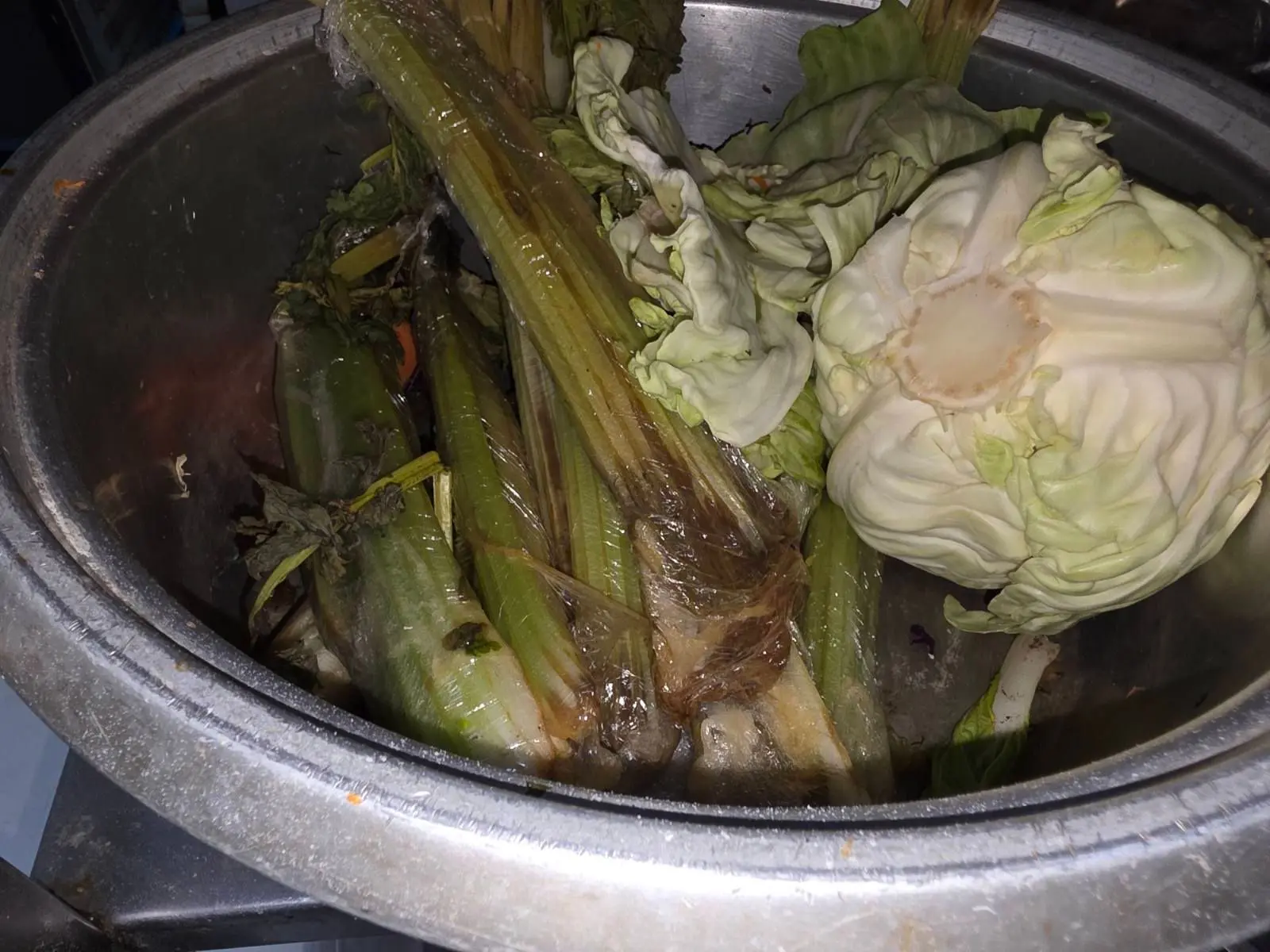
Rotten and mouldy ingredients were found in a number of restaurants. Meat and poultry emitting foul smells were discovered stored at improper temperatures, while vegetables such as potatoes, onions and leafy greens were wilted, decaying or unfit for use.
Consumer Council of Fiji
Restaurants, cafés, bakeries and other eateries nationwide have been found breaching key food-safety regulations, raising concerns for consumer health ahead of the festive season.
This follows a targeted round of surveillance and inspections in recent weeks, during which the Council carried out 220 checks across the country.
The findings point to widespread hygiene lapses and significant regulatory non-compliance.
Related stories
According to the Council, some food establishments were operating in filthy and hazardous conditions.
Officers reported greasy floors, dirty preparation benches, and equipment coated with grime and food residue.

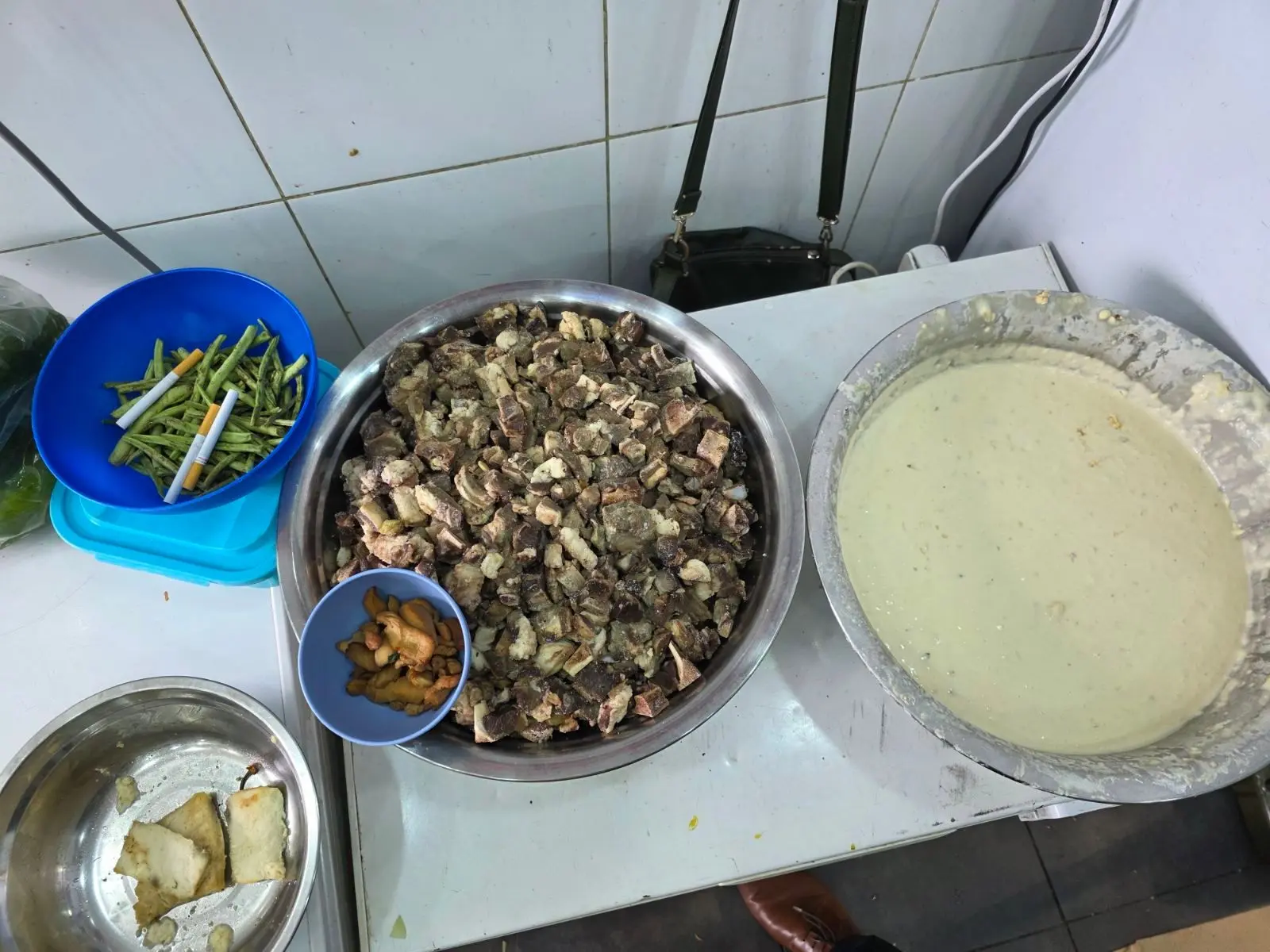
In several kitchens, staff handled food with bare hands and without gloves, hairnets or protective gear. Risks of cross-contamination were common, with raw and cooked food stored side-by-side, dirty utensils reused without proper washing, and damaged freezers used to store food.
Open rubbish bins attracting flies and insects were also observed. Rotten and mouldy ingredients were found in a number of restaurants. Meat and poultry emitting foul smells were discovered stored at improper temperatures, while vegetables such as potatoes, onions and leafy greens were wilted, decaying or unfit for use.
The Council said such conditions posed direct risks of food poisoning and illness.
Beyond hygiene issues, officers found many establishments operating without the required licences or certificates.
These included expired or missing Health Licences, Business Registration Certificates, National Fire Authority certificates and Grading Certificates.
Some businesses were selling expired items or displayed products with missing or misleading labels. Officers also found cases where expiry dates appeared tampered with or removed.
Council chief executive Seema Shandil said the conditions uncovered reflected a troubling disregard for basic food-safety standards.
“Many of the environments we inspected were filthy and completely unacceptable. How can you operate in the retail food industry and not follow basic hygiene practices?” she said.
“Consumers trust that the meals they purchase are prepared in clean and safe settings, but the level of negligence we have seen in some establishments is simply disgraceful.”
Ms Shandil said the Council will compile a detailed report for the Ministry of Health, outlining the findings and recommendations for enforcement.
She added that the Council continues to work with municipal councils, health inspectors and other authorities to ensure appropriate action is taken.
“As we move into the festive season, restaurants must not use increased demand as an excuse to cut corners. Food safety, proper licensing and hygienic practices are mandatory. They are not negotiable,” she said.
The Council is urging consumers to remain vigilant when choosing where to dine and to report unsafe or suspicious food practices to the National Consumer Helpline on 155 or through the Council’s official social media pages.