School drug cases rise to 3,143 in 2025
There is currently no drug testing conducted in schools. Any move towards testing would require policy direction.
Thursday 26 February 2026 | 07:00
Updated 26 February 2026 | 12:35 FJT

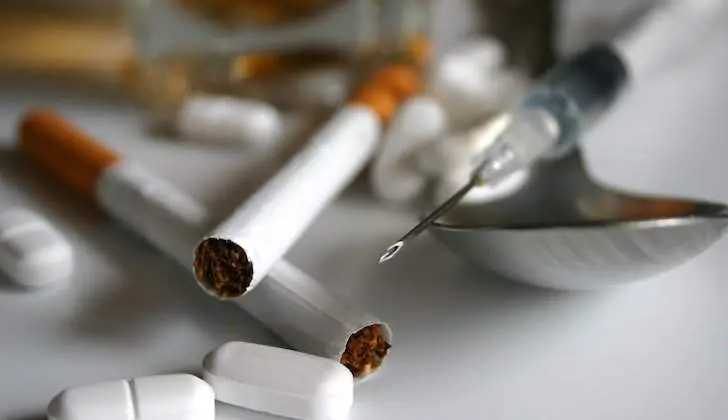
Drug-related cases in Fiji’s schools have climbed to 3,143 in 2025, up from 3,041 in 2024, raising fresh concern among education and substance abuse authorities.
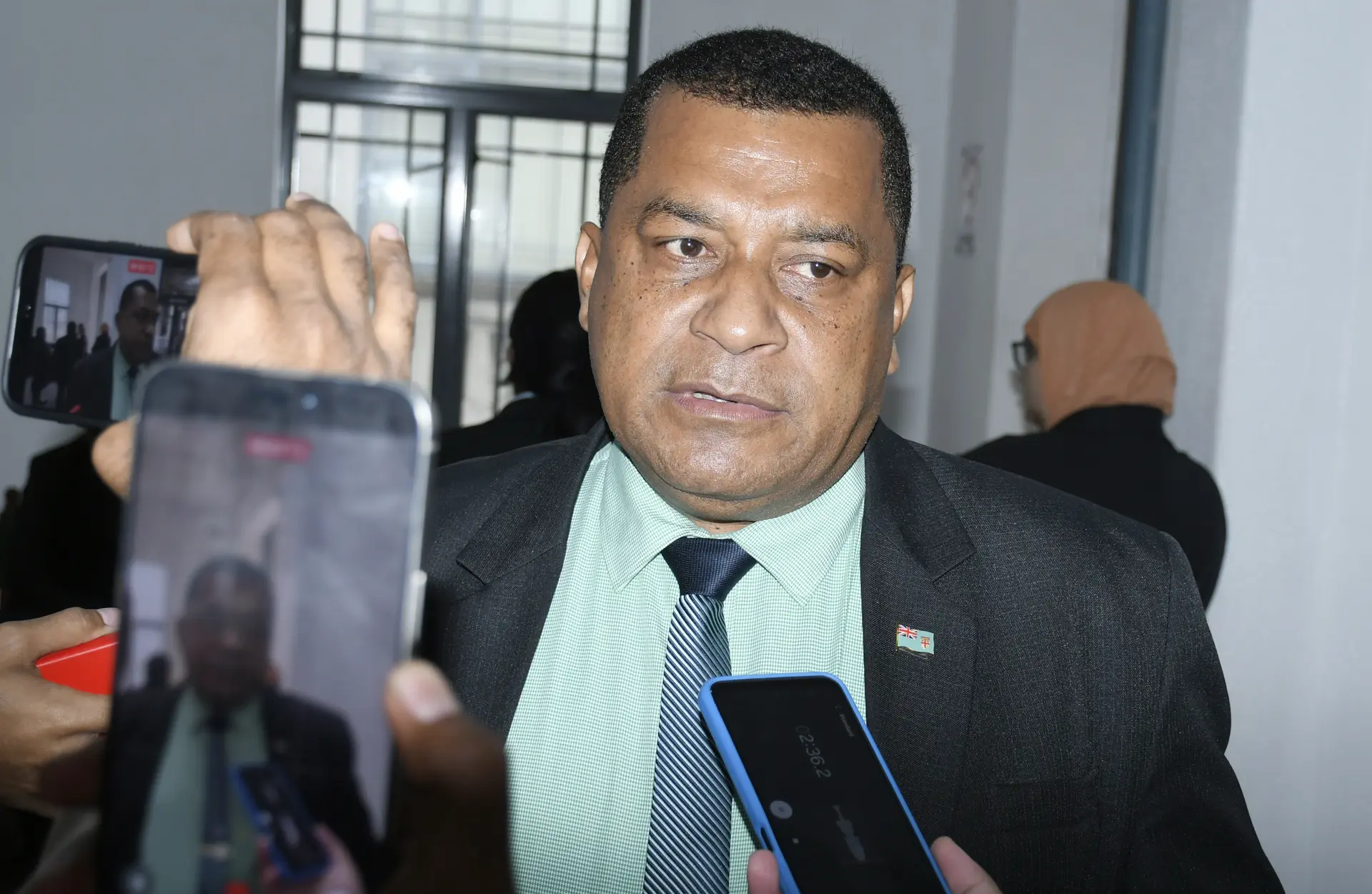
Acting chief executive of the National Substance Abuse Advisory Council (NSAAC) Joshua Naisele confirmed the figures, saying the cases involved both legal and illegal substances.
“Most of the cases are tobacco products. Most of the cases are alcohol. Inhalants,” he said.
Related stories
Despite the increase, the cases account for about 1.5 per cent of the total student population, below the council’s self-imposed two per cent threshold.
Mr Naisele said the broader concern lies beyond school grounds.
“The school environment is controlled. We have policies in place to ensure students are safe while in school,” he said. “The worrying thing now is in the community.”
Under current procedures, schools follow strict standard operating guidelines when students are found in possession of or using drugs. Disciplinary measures include suspension and mandatory counselling. Expulsion requires approval from the Permanent Secretary. Cases may also involve parents, social welfare officials and, in suspected criminal matters, Police.
“The main reason is to find a way of supporting the child,” Mr Naisele said, adding that peer pressure, curiosity, experimentation and family circumstances were common contributing factors.
There is currently no drug testing conducted in schools. Any move towards testing would require policy direction, parental consent and coordination between the Ministry of Education, Ministry of Health and law enforcement.
“If a student is found high or in possession, we remove them from school and call the parents,” he said.
“Drug testing is not in place at the moment.”
“Our target is not to go beyond two percent,” Mr Naisele said.
“We are hopeful the numbers will not increase, but it depends on what is happening nationally. Children are at the frontline of exposure.”
Parent Raijeli Marama said the education system should consider bringing back spot checks to help identify students bringing drugs onto school grounds.
Another parent, Marica Sokotaka, said families must take greater responsibility.
“Everything starts from home if children are not loved from home, they will eventually find other avenues to be loved and some resort to drugs,” Ms Sokota said.
She said parents needed to spend time with their children and have daily one-to-one sessions to strengthen the family unit.