Water, power rationing possible as prolonged dry spell worsens
Communities in the Western and Northern divisions are experiencing water stress as authorities increase deliveries.
Wednesday 11 November 2026 | 18:00

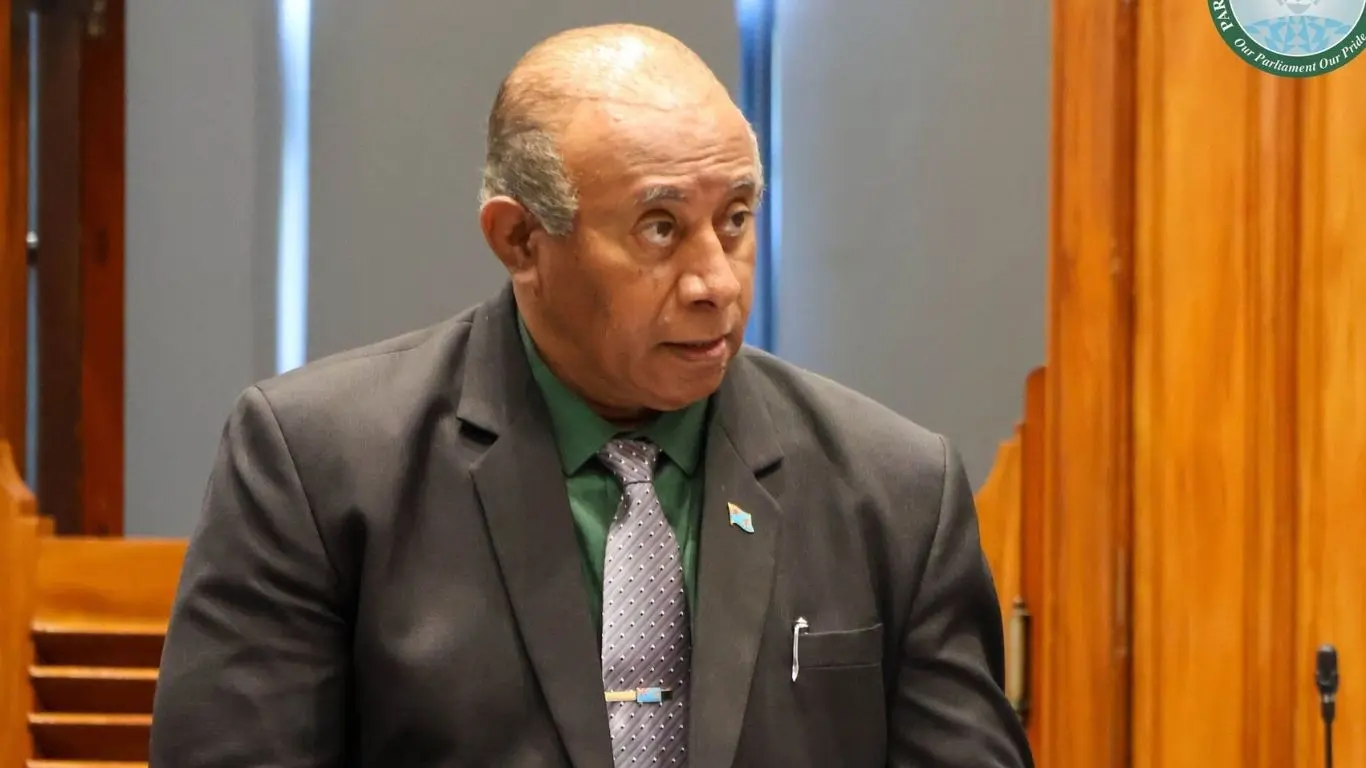
Minister for Public Works, Transport and Meteorological Services Ro Filipe Tuisawau in Parliament on November 4, 2026.
Photo: Parliament of Fiji
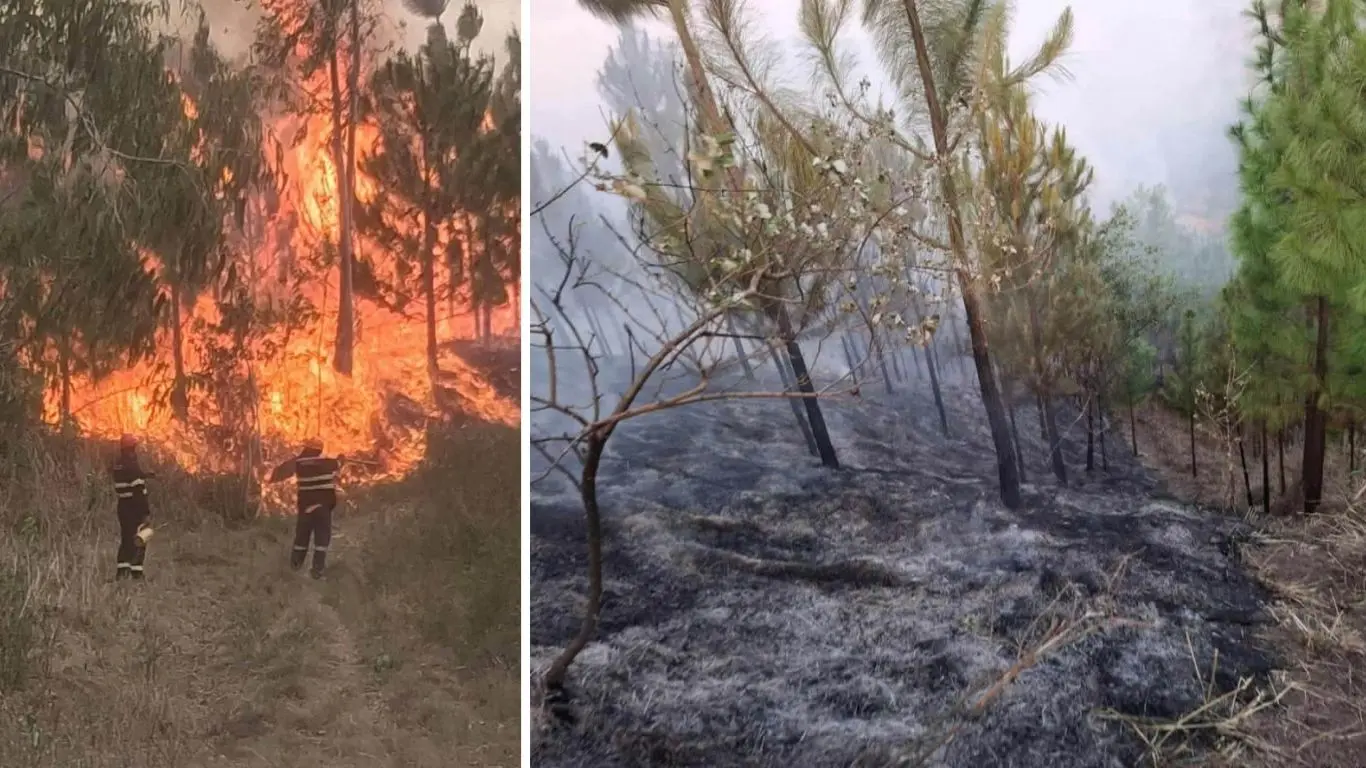
Water and power rationing remain possible as Fiji prepares for worsening El Niño-related prolonged dry conditions, which are expected to peak in December and January.
The Government has urged households to adjust their consumption as water sources continue to come under pressure.
Minister for Public Works, Meteorological Services and Transport Ro Filipe Tuisawawau said Cabinet had received a detailed update from the Fiji Meteorological Services and the Water Authority of Fiji (WAF) on the developing drought situation and the challenges facing the country’s water sources.
Related stories
“Water rationing is part of the option moving forward, and also power rationing, which the Energy Fiji Limited (EFL) has already announced,” Ro Filipe said.
He said communities in the Western and Northern divisions were already experiencing water stress, prompting WAF to increase water deliveries by trucks and through tanks.
Government agencies were working together to identify affected communities, households and areas experiencing increasing pressure on water supplies.
Water deliveries were being coordinated through WAF, Government Shipping Services and the Commissioners’ offices, with assistance also extending to maritime communities, he said.
The Government was also considering financial assistance and the reprioritisation of resources to support communities affected by drought conditions.
Ro Filipe said a drought emergency declaration was being assessed by the National Disaster Risk Management Office and relevant authorities, with an announcement to be made when appropriate.
He said the declaration would depend on assessments of water scarcity, crop conditions and the situation facing affected communities.
Declining dam levels were also raising concerns about electricity generation, particularly as Fiji depended on hydroelectric power.
Ro Filipe said EFL would need to consider alternative sources of electricity generation as water levels continued to decline.
The Government remained supportive of EFL in addressing its financial and operational requirements, particularly if the drought situation deteriorated further.
The public was urged to take responsibility for managing household water and electricity consumption as the country prepared for potentially prolonged drought conditions.
“For water, it’s good to invest in water tanks for houses, and not depend on government,” Ro Filipe said.
He acknowledged that household water tanks could be financially challenging for some families but said the Government would continue to provide assistance where needed.
Ro Filipe said El Niño was a natural phenomenon Fiji could not avoid, making preparedness, responsible consumption and coordinated Government assistance critical.
Government agencies were continuing to monitor the drought situation, with further decisions on emergency measures and assistance expected following assessments by the relevant authorities.