What Guangdong’s circular economy push means for Fiji’s green ambitions
As Guangdong leads China’s recycling transformation, Fiji looks to strengthen its own green and low‑carbon development.
Thursday 12 March 2026 | 11:00
Updated 12 March 2026 | 14:49 FJT

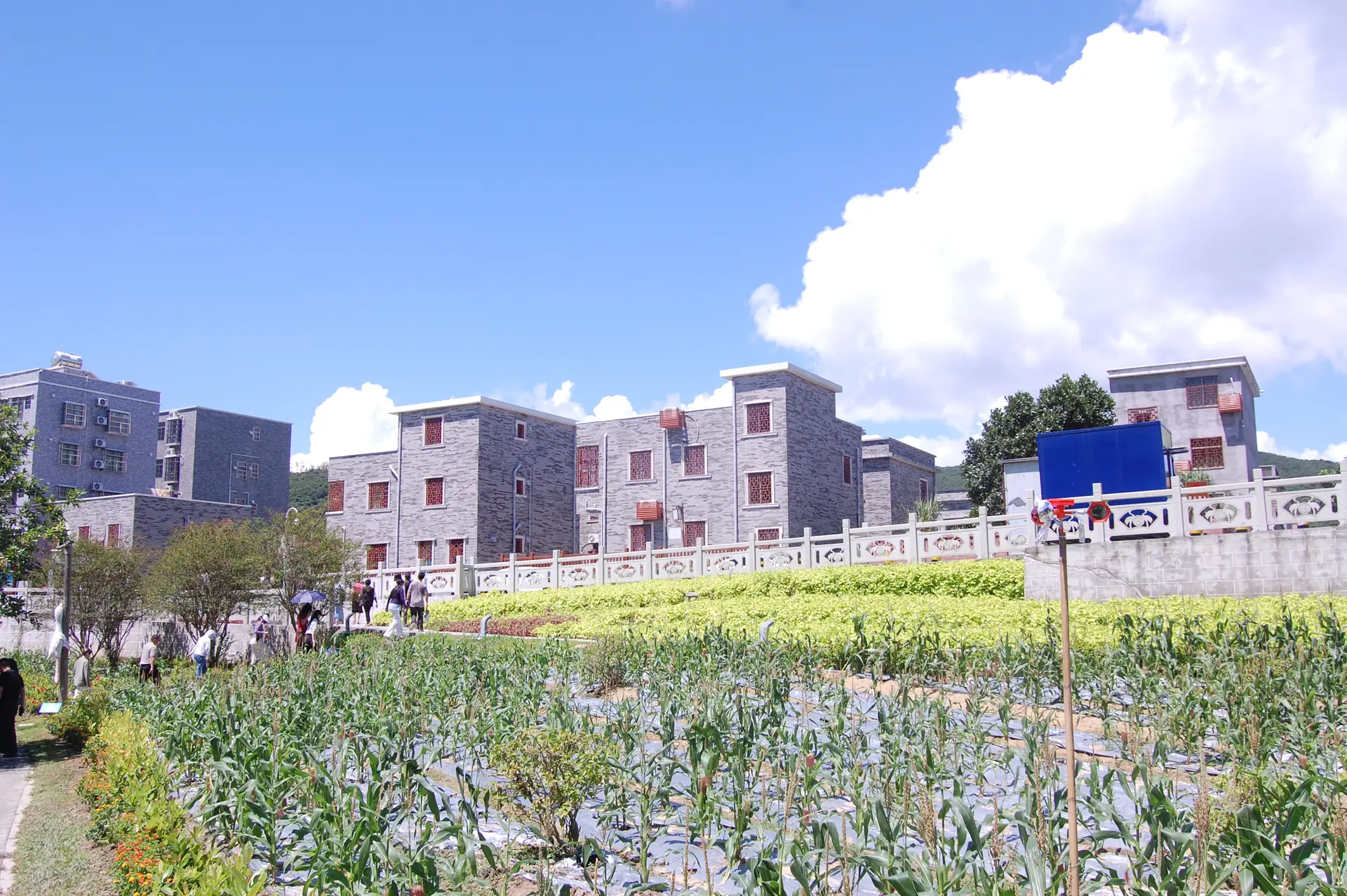
A Village in Zhuhai located in the Guangdong province, South of China.
Photo: Ioane Asioli
Guangdong in the south of China shares a unique history with Fiji, as the first Chinese immigrants who first arrived in Fiji were from the province.
It is home to the Pearl River, featuring a dense network of waterways, lush vegetation, and a pleasant climate.
The southern province has undergone rapid development, with a resident population of 128 million, over 20 million market entities, and 74,000 high‑tech enterprises.
Related stories
Guangdong’s GDP has ranked first in China for 37 consecutive years, with multiple core indicators leading the nation.
The annual average concentration of PM2.5 (particle matter measurement) remains at 20 micrograms per cubic metre, and the forest coverage in Guangdong stands at 53.4 per cent.
Deputy to the National People’s Congress (NPC) and President of Brump Recycling, Li Changdong, said Guangdong provides a strong foundation for developing the circular economy.
“Guangdong’s industrial clusters make work much more convenient. You can build the entire supply chain within one place,” he said.
“Guangdong offers very strong support for innovation. If you want to take the lead in formulating a national standard, the whole process, including research and staff salaries, may cost around one million yuan (FJ$316,600.00).”
Mr Li said the cost would include management expenses.
“The subsidies from Guangdong’s provincial, municipal, and county governments are substantial. They may even exceed that one million yuan,” he said.
“In fact, the policy encourages companies to take the lead in developing national standards when it comes to recycling lead‑acid batteries.”
Mr Li added that other countries began the initiative in recycling lead‑acid batteries.
“But when it comes to lithium battery recycling, in terms of standards, we are leading them in many areas,” he said.
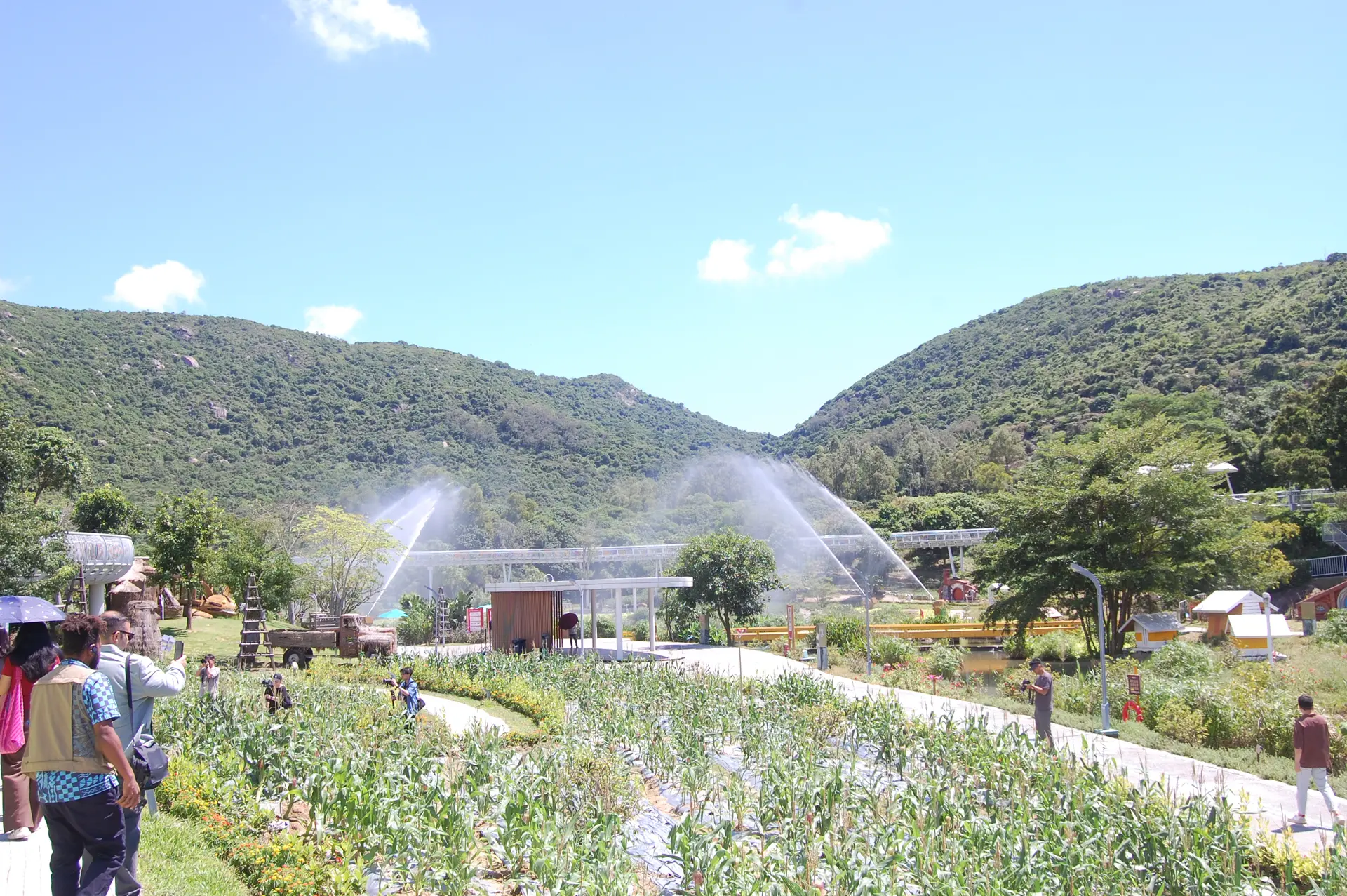
A Village in Zhuhai located in the Guangdong province, South of China.
Photo: Ioane Asioli
“The Circular Economy Promotion Law was promulgated and implemented in 2008. After the law was introduced, what people used to call ‘scrap collecting’ came to be recognised as part of the circular economy.”
Mr Li said more university graduates are now drawn to enter the field of circular economy.
“More universities started working with us; some universities established schools dedicated to the circular economy,” he said.
“I think that was the first strong policy boost. The second came in 2015, when China introduced policies supporting the new energy vehicle industry.”
Mr Li said the 2015 policy turned battery recycling from a small industry into a sector worth hundreds of billions of yuan.
“It could potentially even lead to trillions in the future. The opportunity has arrived, giving many people in the industry a chance to grow with the times,” he said.
“As a deputy to the National People’s Congress, in 2024 we suggested establishing a national technical committee for power battery recycling standards.”
Mr Li’s suggestion was submitted to the National People’s Congress, referred to the national quality supervision authority, and adopted as a formal project.
“Last year, after about two years of groundwork, China began setting up a national standards committee for power batteries,” he said.
“With support from the Guangdong Provincial People’s Congress, we also established a secretariat for the committee in less than two years.”
Mr Li said their suggestion has already brought significant support to their industry.
“What’s most important in Guangdong is the soft environment,” he said. “As long as you are solving problems for society, you can just focus on doing your work without worrying about too many other issues.”
The Chinese Government is looking to effectively treat new pollutants and take comprehensive steps to manage solid waste.
This is in line with the government report released during the fourth session of the 14th National People’s Congress on March 5, aimed at achieving the development of a green and low‑carbon economy.