Pacific film exposes cyberbullying harms
Algorithm of Shame examines how online humiliation is affecting Pacific communities.
Wednesday 20 May 2026 | 09:00

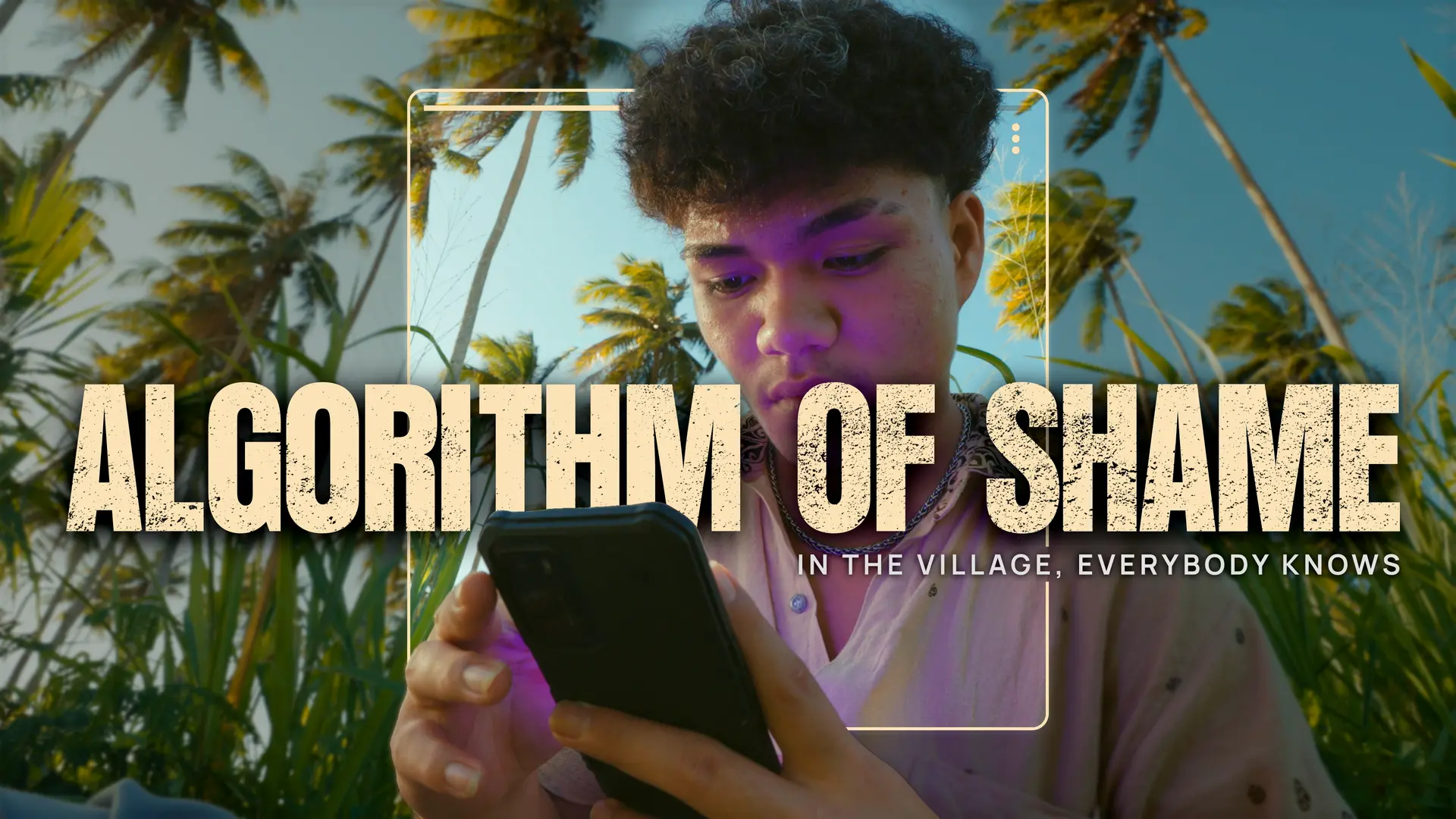
The documentary Algorithm of Shame: In the Village, Everybody Knows was Funded by New Zealand’s Ministry for Pacific Peoples with support from Pacific Media Network
Cyberbullying, online harassment and the sharing of private content online are at the centre of a new Pacific-led documentary filmed and airing this month in Fiji.
Algorithm of Shame: In the Village, Everybody Knows examines how long-standing cultural practices of public shaming have shifted into digital spaces, fuelling exposure, outrage and humiliation online.
Funded by New Zealand’s Ministry for Pacific Peoples with support from Pacific Media Network, the documentary involved aspiring Pacific Island journalists, including Fiji-based journalists Inoke Rabonu and Ilaitia Ravuwai, who spoke to victims and survivors of cyberbullying, humanitarian groups and online safety organisations.
Related stories
Produced by Pacific and Maori-owned Aotearoa New Zealand company Nine Islands Media, the film was co-directed and co-produced by Tuki Laumea, Cleo Fraser, Mr Rabonu and Mr Ravuwai.
You realise very quickly that what happens online does not stay online. These are real harms affecting real families and communities.
Tuki Laumea
Mr Laumea said the documentary aimed to spark wider conversations about online behaviour and digital harm across Fiji, the Pacific and Aotearoa New Zealand.
“A lot of it was deeply disturbing,” Mr Laumea said.
“The isolation, humiliation, mental health struggles and, in some cases, suicides connected to online shaming were incredibly confronting.
“You realise very quickly that what happens online does not stay online. These are real harms affecting real families and communities.”
Mr Laumea said the film also highlighted hope, with public figures such as Minister for Information Lynda Tabuya choosing to speak openly about their experiences despite the pain involved.
“The film asks whether we are beginning to lose some of that once behaviours moves into digital spaces where outrage and humiliation are rewarded,” he said.
People say mean things and, because of our culture and traditions, I don’t understand where this behaviour is coming from
Ilaitia Ravuwai
Senior journalist Ilaitia Ravuwai said Fiji’s online environment did not reflect the country’s image as “the way the world should be”.
Mr Ravuwai and Fiji Sun Digital Lead Inoke Rabonu helped shape and present the stories featured in the documentary through a Pacific lens.
“We used to proclaim that Fiji is the way the world should be, but it’s a different story online,” Mr Ravuwai said.
“People say mean things and, because of our culture and traditions, I don’t understand where this behaviour is coming from.
“I encourage people to watch it because we speak to many people affected by online harm, including the Fiji Women’s Crisis Centre and Save the Children Fiji, who share valuable insight into how they deal with these issues.”
The documentary features people with lived experience of online harm, including Ms Tabuya, advocate Marika, and Rhonda Eroni Ledua Dina.
Expert contributors include lawyer Jon Apted, the Online Safety Commission, Fiji Women’s Crisis Centre, House of Sarah and Save the Children Fiji.
The documentary premiered on Mai TV Fiji on Monday at 7.30pm, followed by a live panel discussion featuring contributors and organisations working in online safety and community wellbeing.
Further broadcasts on Mai TV will be announced before the documentary airs in Aotearoa New Zealand and across the Pacific.
Feedback: Beranadeta@fijisun.com.fj