68 per cent of adults obese as NCDs rates rise in Fiji
New data from the Fiji STEPS Survey 2025 shows that 17 per cent of Fijians are living with diabetes.
Wednesday 18 March 2026 | 07:00

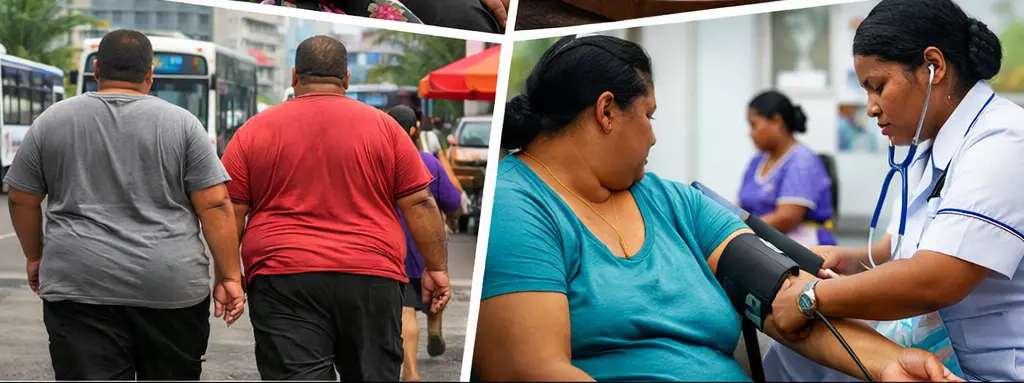
Nearly 68 per cent of adults in Fiji are obese, highlighting a growing health crisis linked to rising rates of non-communicable diseases, including diabetes.
New data from the Fiji STEPS Survey 2025 shows that 17 per cent of Fijians are living with diabetes.
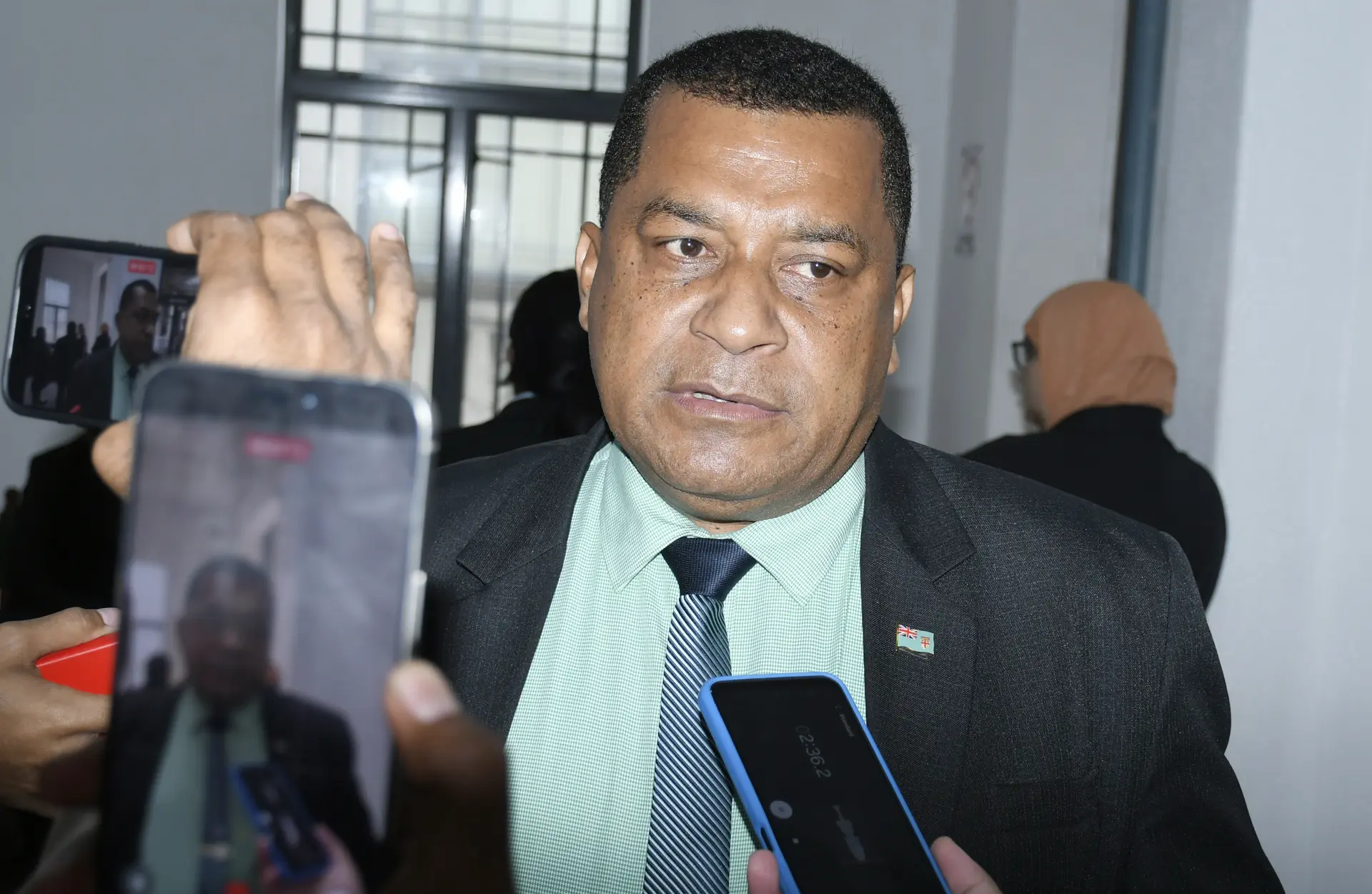
Assistant Minister for Health Penioni Ravunawa said the figures underscored the urgent need to strengthen prevention, early detection and treatment.
Related stories
The survey also found that adults aged 18 to 69 have at least one major risk factor for non-communicable diseases, while nearly half the population lives with three or more risk factors.
Health officials say poor diet, lack of physical activity and increasing obesity levels are key contributors.
Mr Ravunawa said addressing the crisis would require stronger collaboration between Government, health workers, development partners and communities.
Fight against diabetes
Fiji has taken another step in the fight against diabetes with the handover of 100 diabetic foot care toolkits and 10 autoclave machines to improve treatment and prevent amputations.
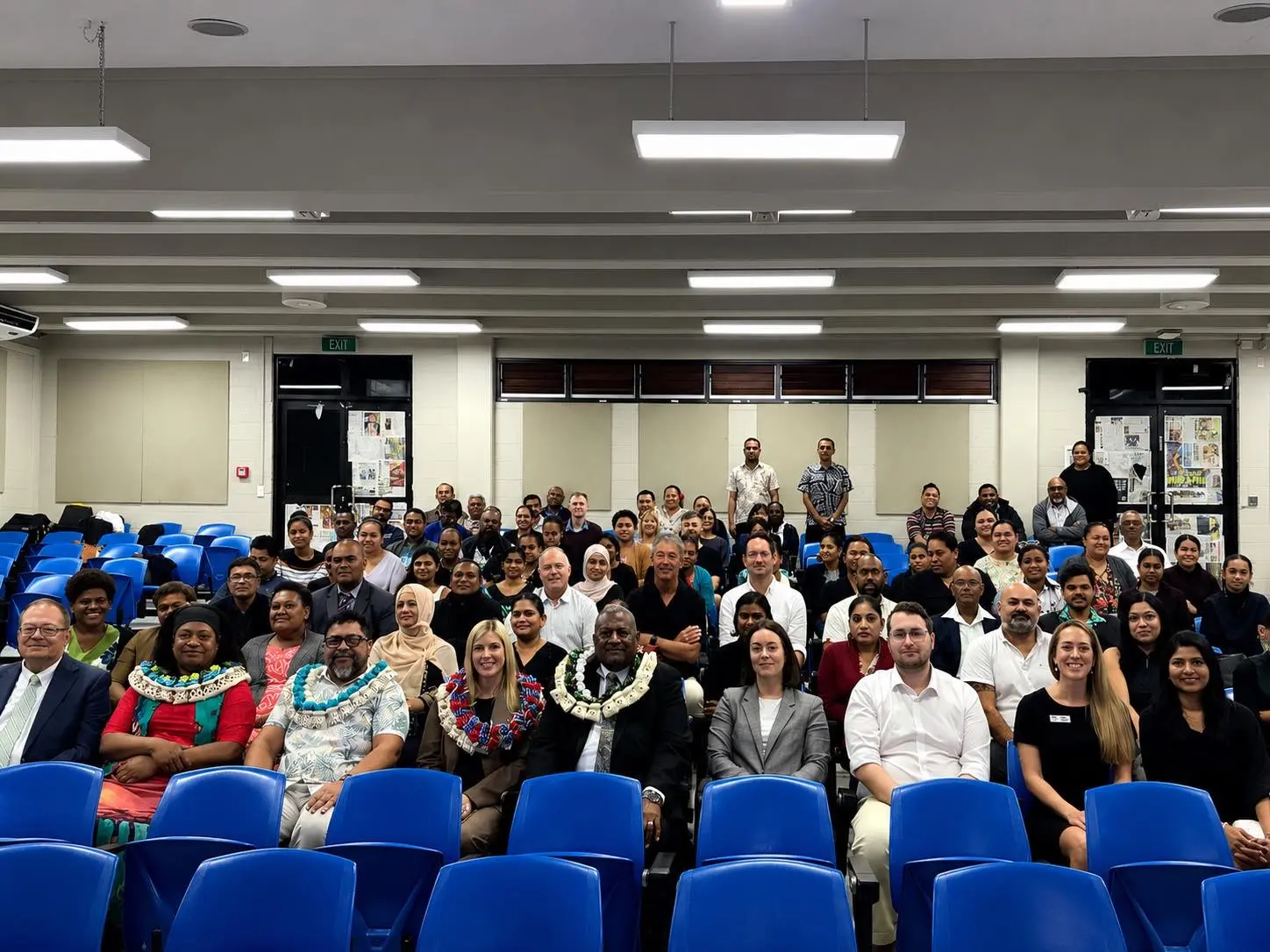
The equipment was handed over during a ceremony organised yesterday in Suva by Diabetes Fiji with support from the Australian High Commission through the Australian Fiji Health Program.
Speaking at the event, Diabetes Fiji board member Pranil Goundar said the initiative marks an important milestone in strengthening care for people living with diabetes.
“Diabetes continues to take a heavy toll in Fiji and many health centres previously lacked the clinical tools needed to prevent complications such as foot infections and amputations.” Mr Goundar said.
He said the Healthy Steps Project, revived in September 2025, aims to address this gap by training nurses and providing them with the right equipment.
So far, 37 primary health care nurses from the six subdivisions in the Central Division have completed a two-week diabetic foot care training at the Diabetes Hub.
The nurses were trained to assess patients’ feet, identify risks, provide advice and manage diabetic foot conditions.
Mr Goundar said the training is especially important as Fiji has experienced a shortage of trained nurses in recent years.
At the same time, studies and the 2025 STEPS survey show diabetes and related amputations are increasing.
Data also shows that 83 percent of the trained nurses are actively using their skills and maintaining patient registers in their health centres.
Despite challenges such as flooding and damaged records in some areas, many nurses in regions such as Suva, Rewa and Namosi have continued conducting foot screenings and risk assessments with limited resources.
Goundar said the handover of the new equipment represents more than just tools.
“We are not just handing over metal and plastic,” he said. “We are handing over hope, mobility and a future where saving the foot becomes the standard of care.”
Senior Programme Manager for Health at the Australian High Commission, Francis Bingwor, said Australia was pleased to support Fiji in responding to the growing non-communicable disease crisis.
He said the toolkits and autoclaves will help healthcare workers provide early treatment and prevent minor diabetic foot problems from developing into severe infections or amputations.
Ms Bingwor added that proper sterilisation equipment is also essential for safe clinical practice and infection prevention.
Australia’s support aligns with its partnership with Fiji to strengthen health systems, including improving health supply chains, strengthening digital health systems, and supporting workforce development.
Ms Bingwor also acknowledged the work of healthcare teams, including the Central Division Diabetes Hub, the Wellness Unit of the Ministry of Health, and nurses on the frontline caring for diabetic patients.
The initiative forms part of broader efforts to improve primary health care services and reduce preventable illness in Fiji.