Child-friendly safe rooms planned for hospitals
Japan-funded project will create safe spaces in hospitals and police stations to support abused and vulnerable children.
Wednesday 04 March 2026 | 13:00

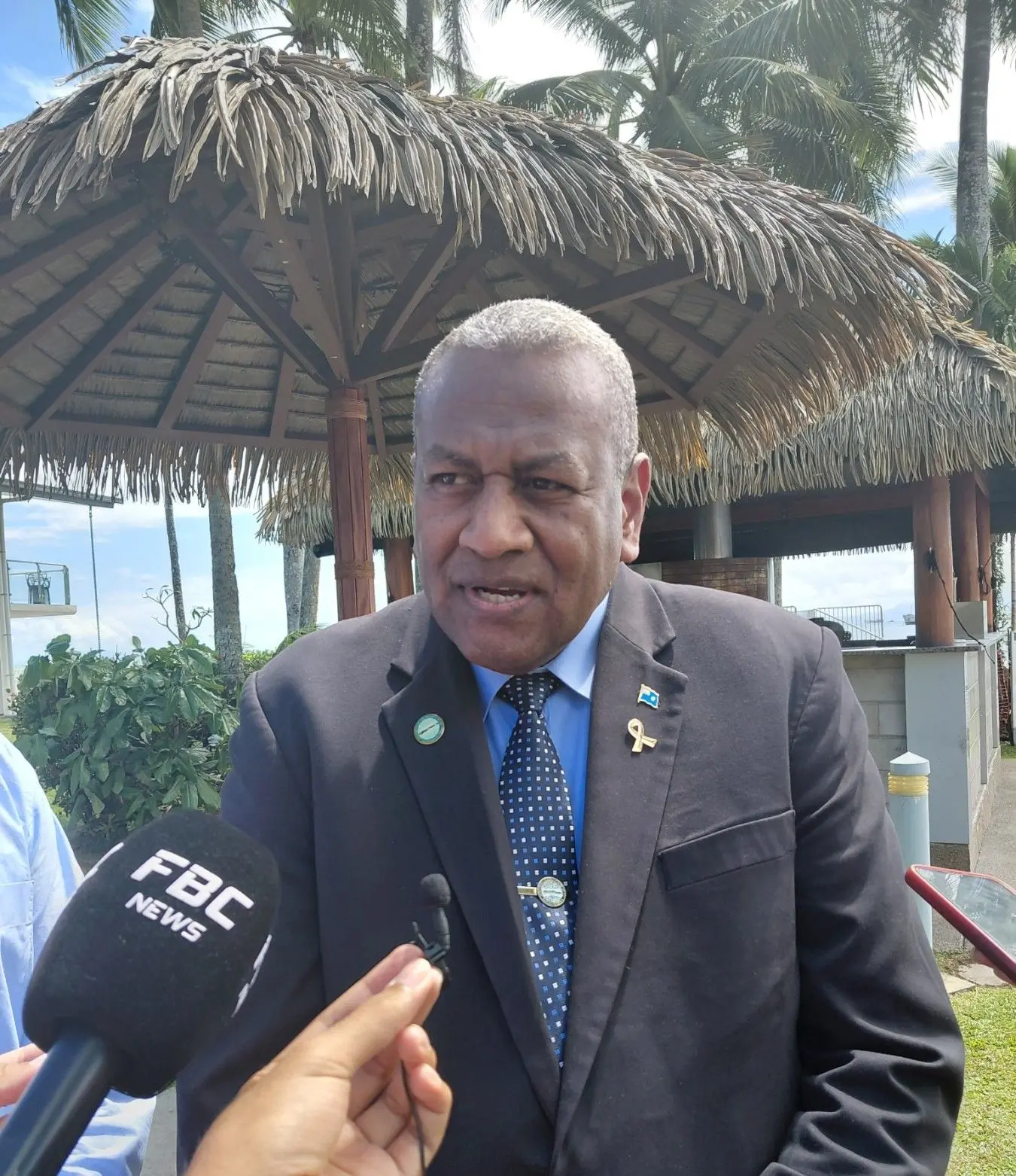
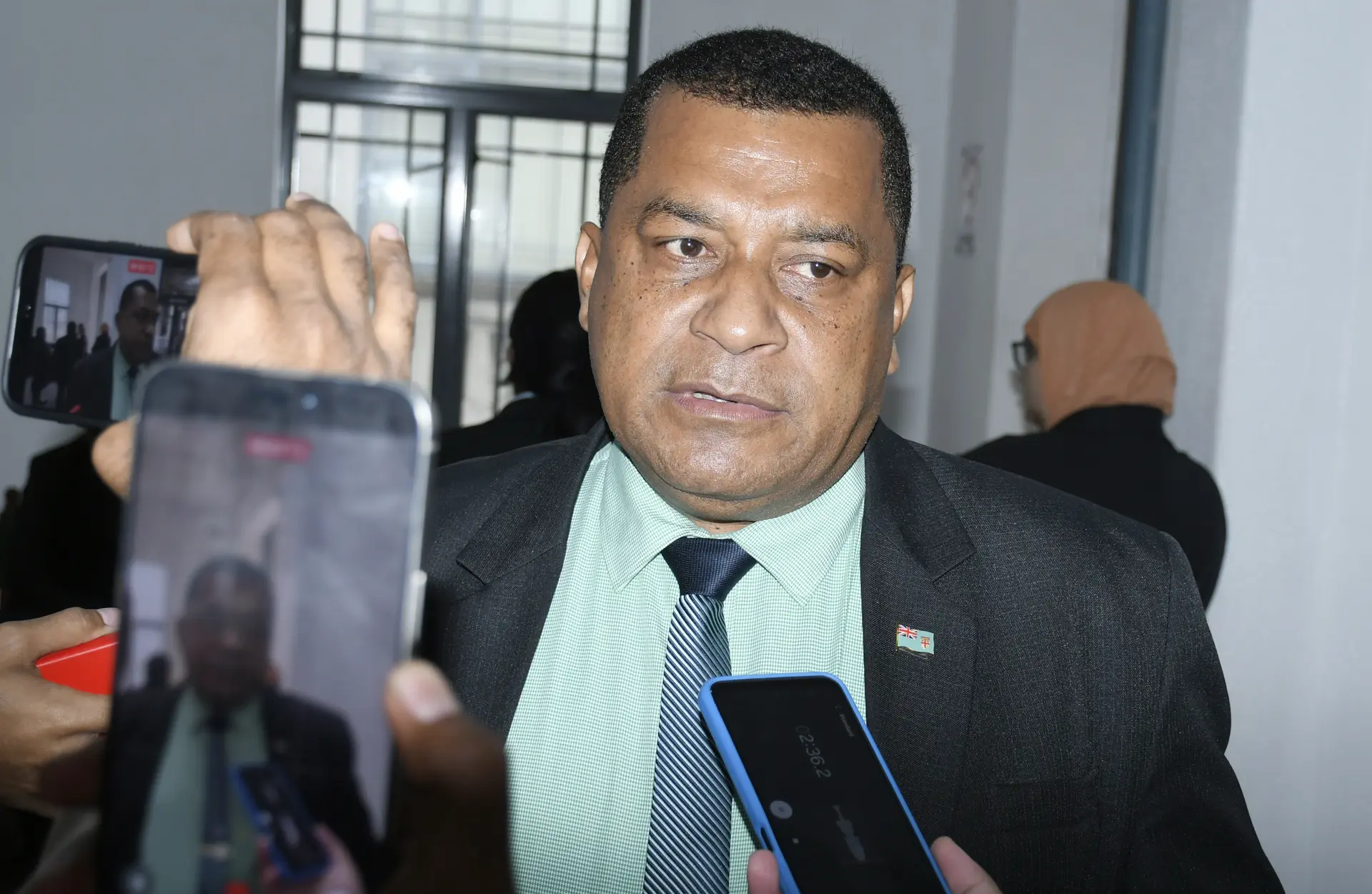
Assistant Minister for Health and Medical Services Penioni Ravunawa.
Photo: Kaneta Naimatau
Fiji's hospitals will get purpose-built safe rooms where children who have suffered abuse, violence or drug-related harm can be treated with dignity and without fear.
The announcement was made at yesterday's launch of a Japan-funded drug prevention project at the Grand Pacific Hotel in Suva.
Japan's Ambassador to Fiji Hiroshi Tajima confirmed the $12.5 million (USD$5.48 million) investment would go beyond programmes and training.
Related stories
"We are investing in the hard infrastructure, creating child-friendly safe rooms in hospitals and private interview spaces in police stations to prevent re-traumatization," Ambassador Tajima said.
Re-traumatisation happens when a child is repeatedly questioned or examined in intimidating or clinical settings, making their trauma worse rather than helping them heal.
Assistant Minister for Health and Medical Services Penioni Ravunawa welcomed the announcement, but was candid about where Fiji currently stands.
"Not all facilities are specifically designed to be child-sensitive in cases involving abuse, neglect, violence, or trauma," Mr Ravunawa told this masthead.
"The establishment of standardized child-friendly safe rooms across key facilities is not yet uniformly implemented nationwide."
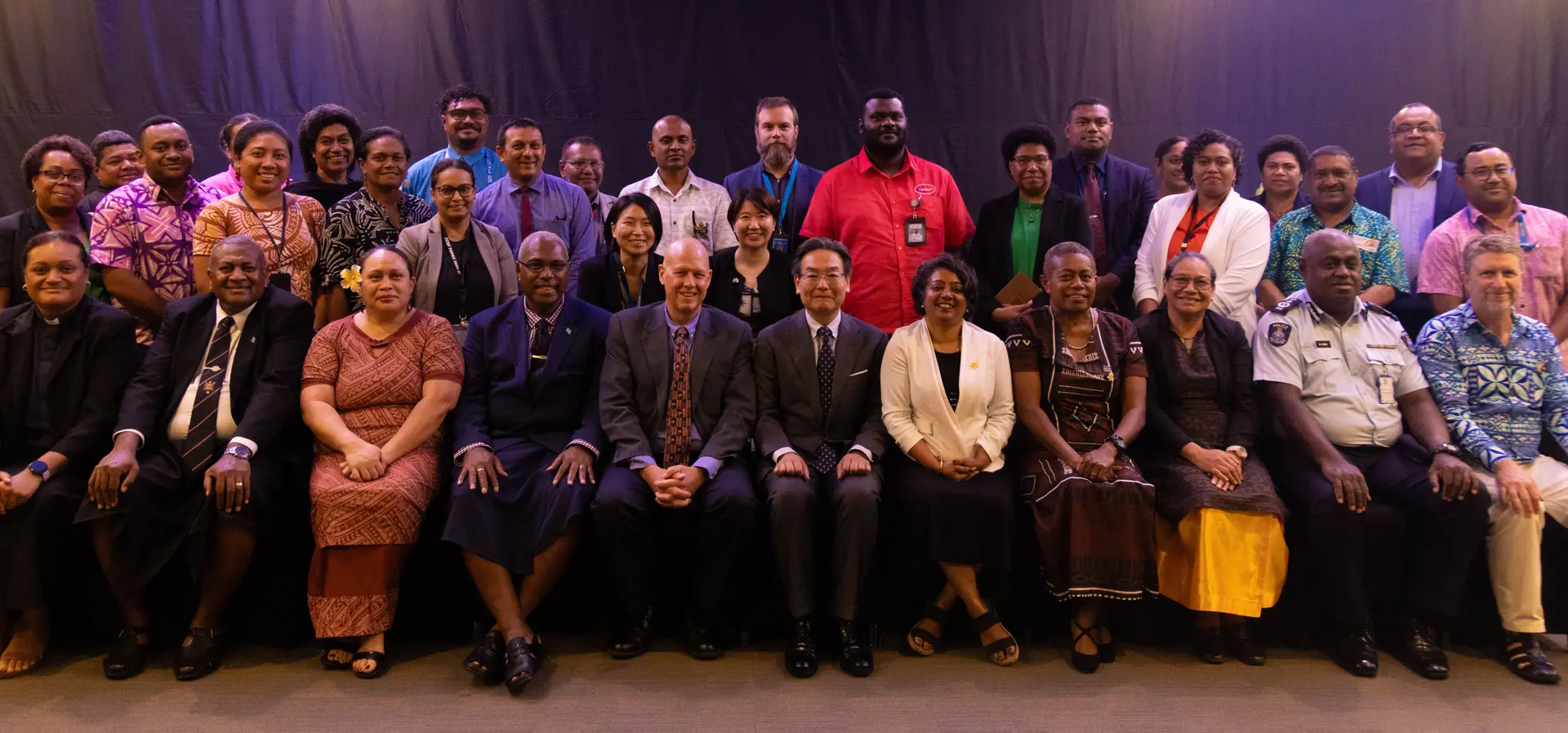
Participants at the official signing ceremony of the year Project for the Prevention Measures against Drug Use among Children and Adolescents in Fiji at the Grand Pacific Hotel, Suva on March 3, 2026.
Photo: UNICEF Pacific
He said a child-friendly safe room was about far more than four walls.
"It is about creating a protected, calming, and confidential environment where a child can feel safe enough to speak, be examined, and receive psychosocial support without fear or further distress," Mr Ravunawa said.
He said the rooms were especially critical for children experiencing sexual abuse, physical violence, drug-related harm, domestic violence or mental health crises.
Moving forward, Mr Ravunawa said the Ministry of Health would work with partners to identify priority hospital sites, set clear standards and train health workers in child-sensitive care.
Feedback: kaneta.naimatau@fijisun.com.fj