Rising fuel costs force Labasa carrier operators to increase fares
The association says charges will now be based on distance travelled, with some trips expected to cost significantly more.
Tuesday 02 June 2026 | 10:00
Updated 02 June 2026 | 11:57 FJT

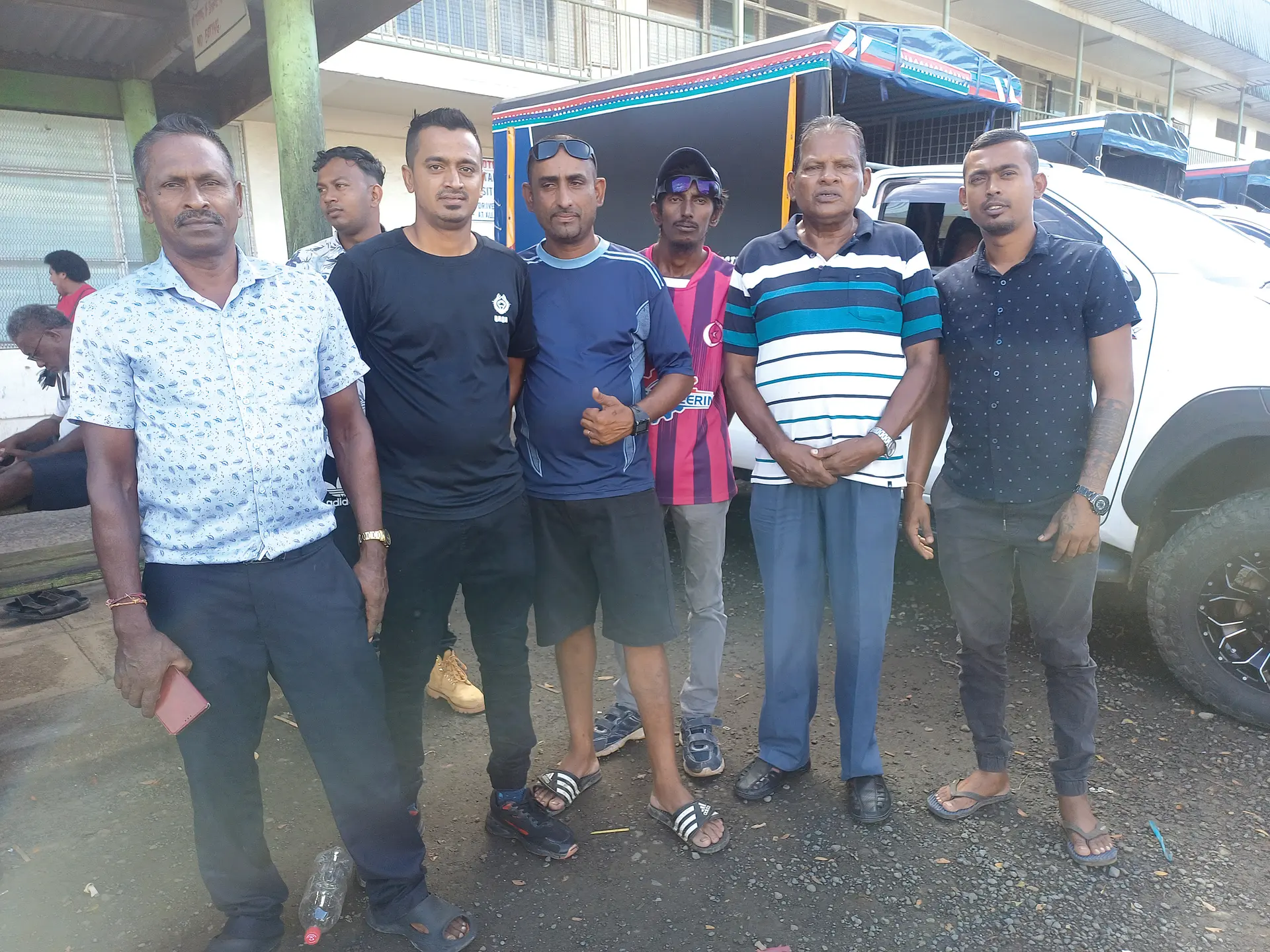
Labasa Carrier Operators Association members, with their president Mukesh Chand (second from right) in Labasa Town on June 1, 2026.
Photo: Shratika Naidu
Carrier operators in Labasa are increasing fares in response to rising fuel prices, with customers expected to pay more depending on the distance travelled.
The decision was made by members of the Labasa Carrier Operators Association, which represents 25 operators, following discussions on how to remain financially viable while continuing to provide transport services.
Association president Mukesh Chand said the latest fuel price increase was the third this year and had placed significant pressure on operators.
Related stories
"We want to continue providing services to the public while also meeting the fees and charges required by the relevant authorities," Mr Chand said.
Members agreed to charge fares based on distance travelled rather than applying a standard rate.
A trip that previously cost about $30 could now cost around $50, depending on fuel consumption and the distance covered.
"There is no fixed fare structure for carrier operators, so drivers will determine charges based on the service provided," Mr Chand said.
He added that customers who were unhappy with a quoted fare could negotiate with other operators.
Carrier driver Manjit Singh said continued increases in fuel prices could force some operators to reduce staff numbers or working hours to cut costs.
Another driver, Mohammed Moshin, said some passengers failed to appreciate the impact of fuel costs on operators.
"When we explain the situation, some passengers are unwilling to pay the full fare, particularly in rural areas," he said.
Mr Moshin said operators were also reviewing the viability of long-distance services because vehicles often returned empty after dropping off passengers, forcing drivers to absorb the additional fuel costs.