Key documents missing in multimillion-dollar health tender case
The court heard the tender was advertised twice in April 2011 and closed on May 18, 2011.
Thursday 26 March 2026 | 18:30
Updated 27 March 2026 | 02:33 FJT

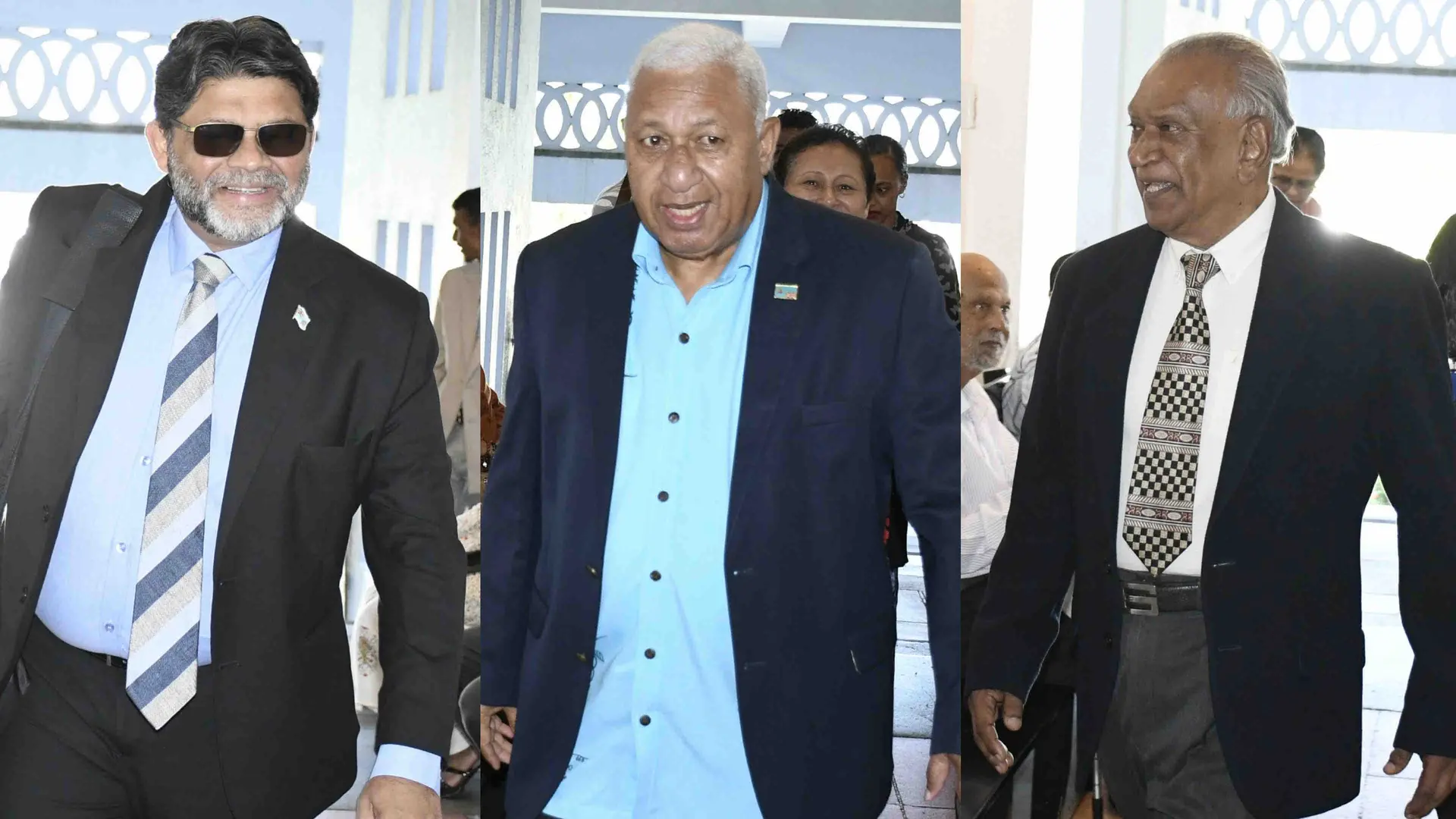
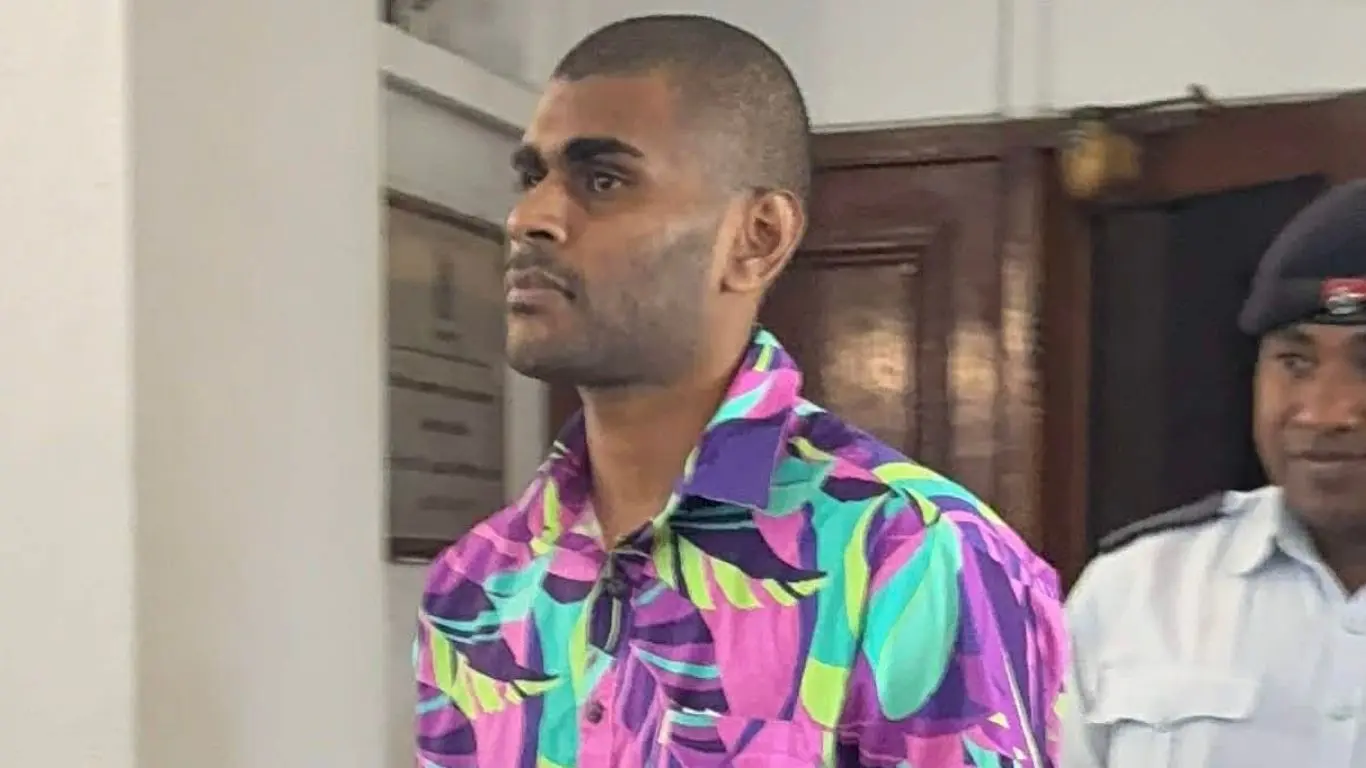
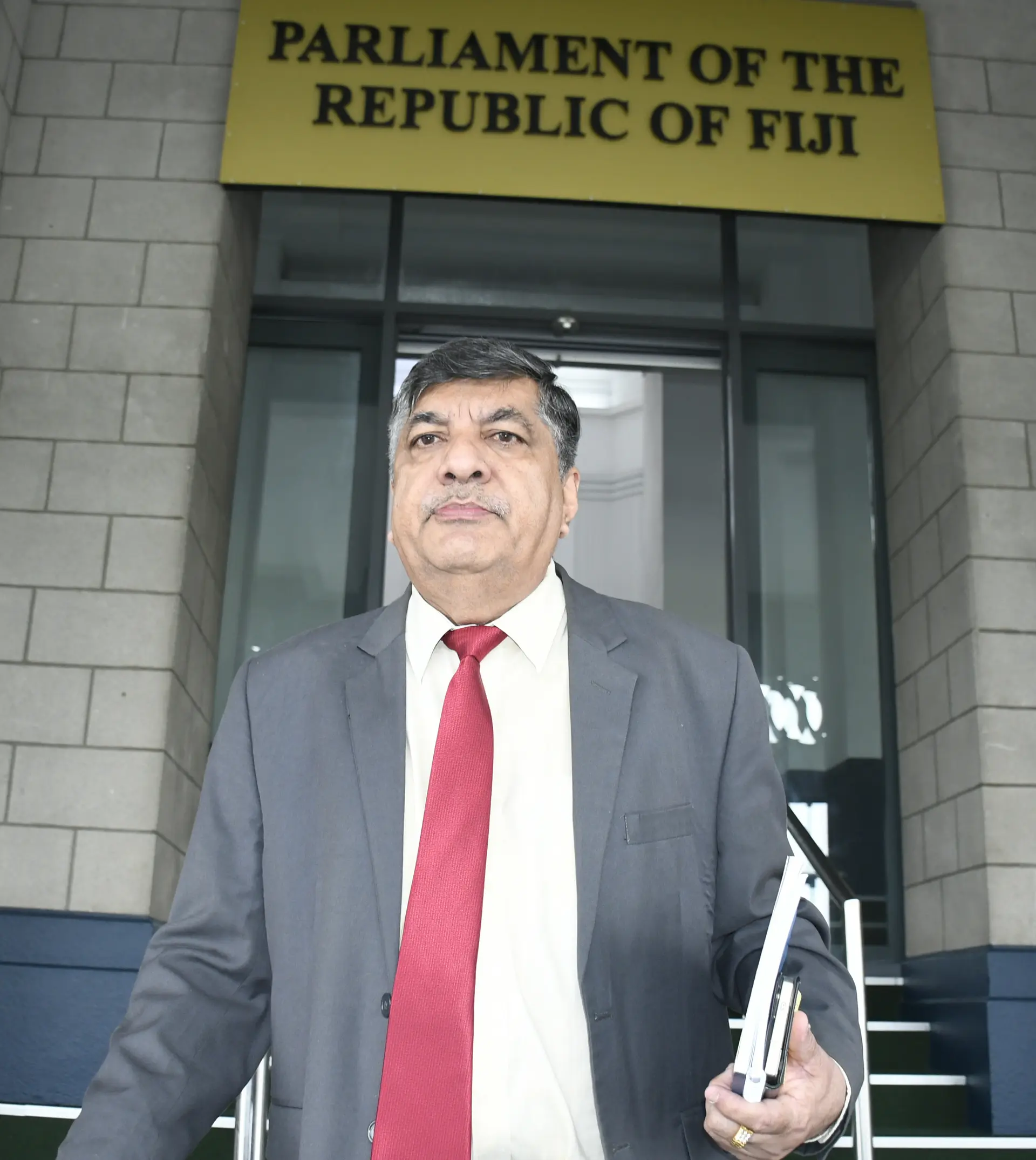
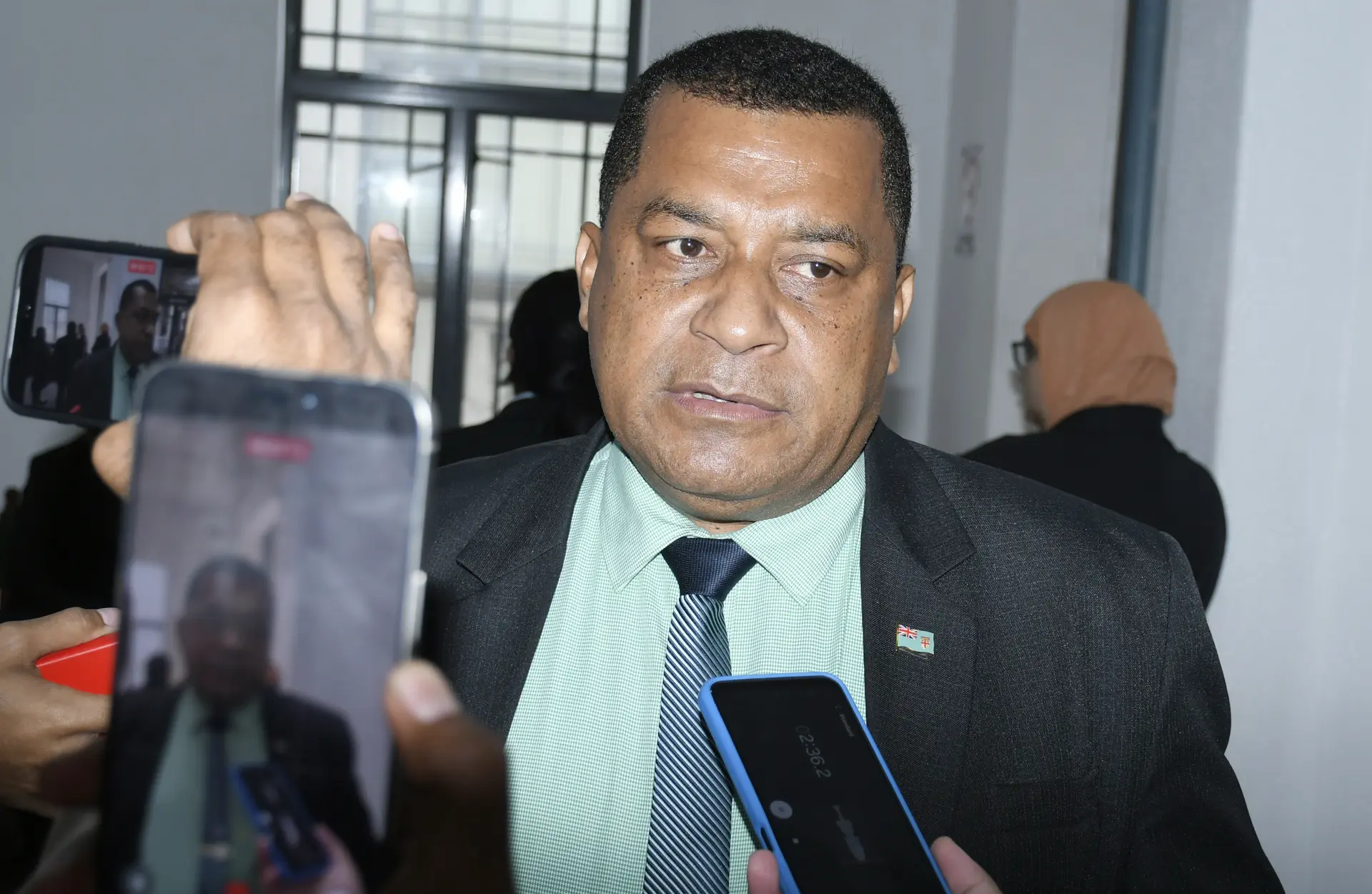
From left: Former Attorney-General Aiyaz Sayed-Khaiyum, Former Prime Minister Voreqe Bainimarama and Former Minister for Health Dr Neil Sharma.
Ronald Kumar
Critical documents linked to a multimillion-dollar health tender are missing, the High Court heard yesterday.
Former senior procurement officer and secretary to the Government Tender Board, Abraham Wilson, revealed that key records for CTN 66/2011 — a tender for laboratory equipment for rural health centres — could not be located.
Wilson gave evidence as a State witness in the trial of former Prime Minister Voreqe Bainimarama, former Attorney-General Aiyaz Sayed-Khaiyum and former Health Minister Dr Neil Sharma.
Related stories
The court heard the tender was advertised twice in April 2011 and closed on May 18, 2011.
Wilson said he had raised concerns at the time, recommending that a technical evaluation committee be established and that clear justification be documented for the selection of preferred suppliers.
He also told the court he does not recall receiving any board letter relating to the tender and agreed that waivers can be issued in urgent circumstances.
Wilson explained he oversaw the opening of the tender box in the presence of bidders, with all submissions stamped to prevent any additional documents from being inserted after closing.
He said the Tender Board has the authority to approve, reject or seek further information on tenders, with all bidders formally notified of outcomes to ensure transparency.
Dr Sharma faces two counts of abuse of office and two counts of breach of trust by a person employed in the public service.
Mr Bainimarama is charged with one count of abuse of office, while Mr Sayed-Khaiyum faces one count of abuse of office and one count of obstructing the course of justice.