From Cuba with love: A doctor’s journey of resilience and purpose
Dr Fong has completed a Postgraduate Diploma in Mental Health from Fiji National University and is pursuing further studies in psychiatry.
Sunday 07 June 2026 | 13:00
Updated 08 June 2026 | 10:28 FJT
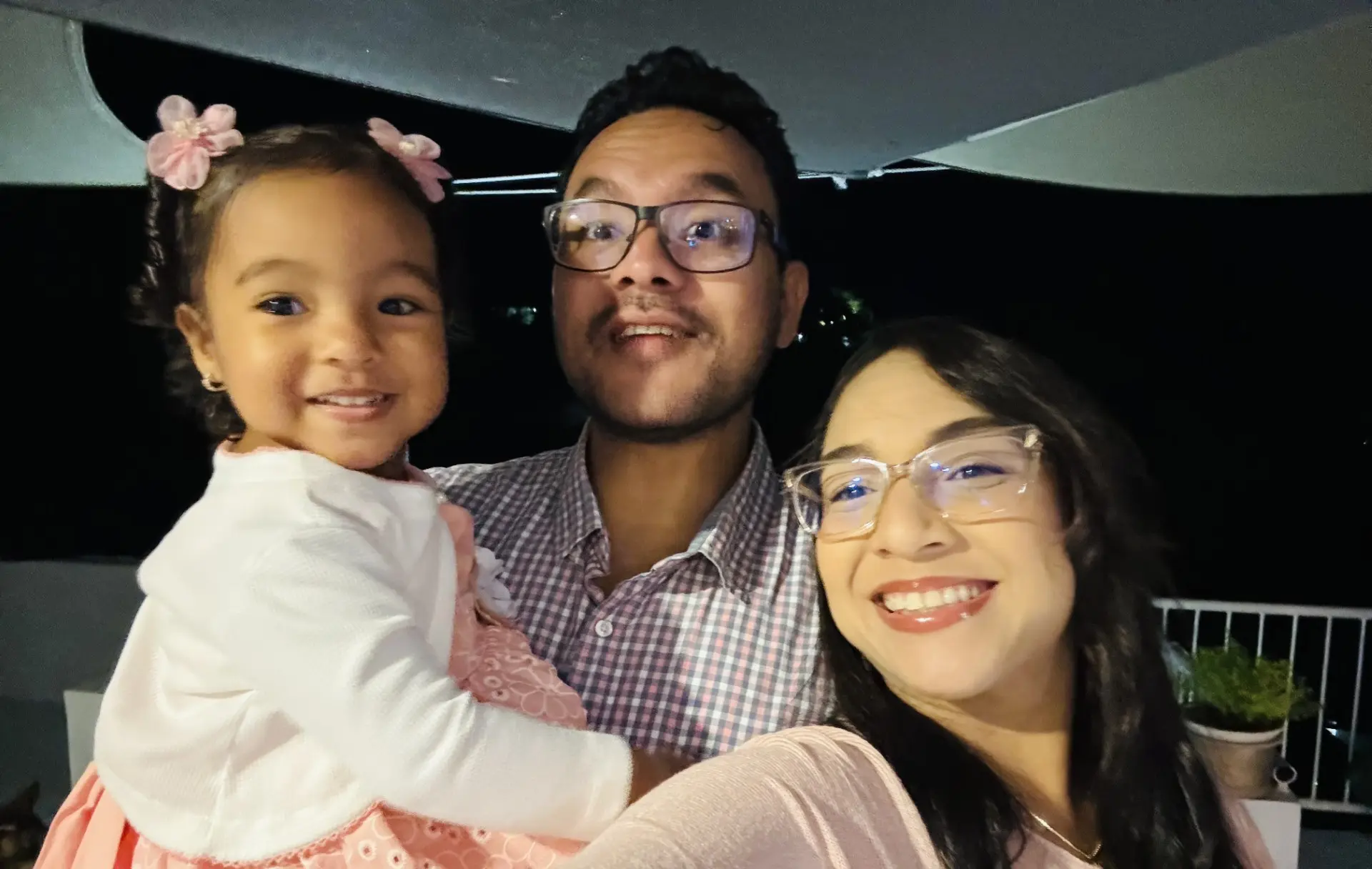
It was also in Cuba where he met his wife Nathalia, a Colombian national and mother of their two-year-old daughter Emma.
Everyone faces challenges in life. What matters is how those challenges are confronted.
For Dr Rick Fong, the road to becoming a doctor was never easy.
Today, the 35-year-old is the sole psychiatrist serving the Western Division, a proud husband and father, and a passionate advocate for mental health. But his journey to get there took him across the world, through financial struggles, language barriers and years of perseverance.
Related stories
Dr Fong is a Senior Medical Officer in Psychiatry based at the Stress Management Ward.
He holds a Medicine degree and was among the first three Fijian medical officers to graduate from the Escuela Latinoamericana de Medicina (Latin American School of Medicine) in Cuba. He spent his first three years studying in Havana before completing four years of clinical training in Guantanamo.
Dr Fong has completed a Postgraduate Diploma in Mental Health from Fiji National University and is pursuing further studies in psychiatry.
His dream of becoming a doctor began in childhood but became more focused during his years at Yat Sen Secondary School.
“At that time, it was difficult to obtain a scholarship to study medicine, so I enrolled in a Bachelor of Science programme, majoring in Biology and Chemistry,” Dr Fong said.
“After a year, I realised it did not satisfy my passion for medicine.
“I then joined Public Health and was delighted when scholarships to study medicine in Cuba were advertised in the newspaper.”
Being selected to study in Cuba was a life-changing opportunity, but it also meant leaving behind everything familiar.
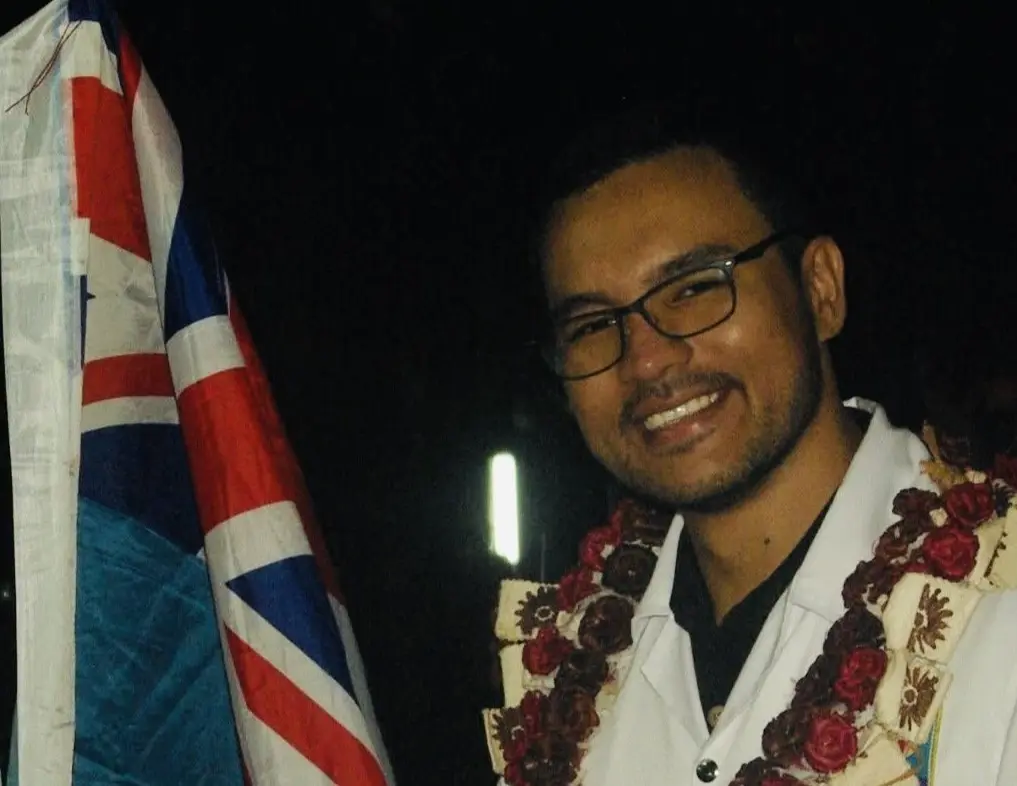
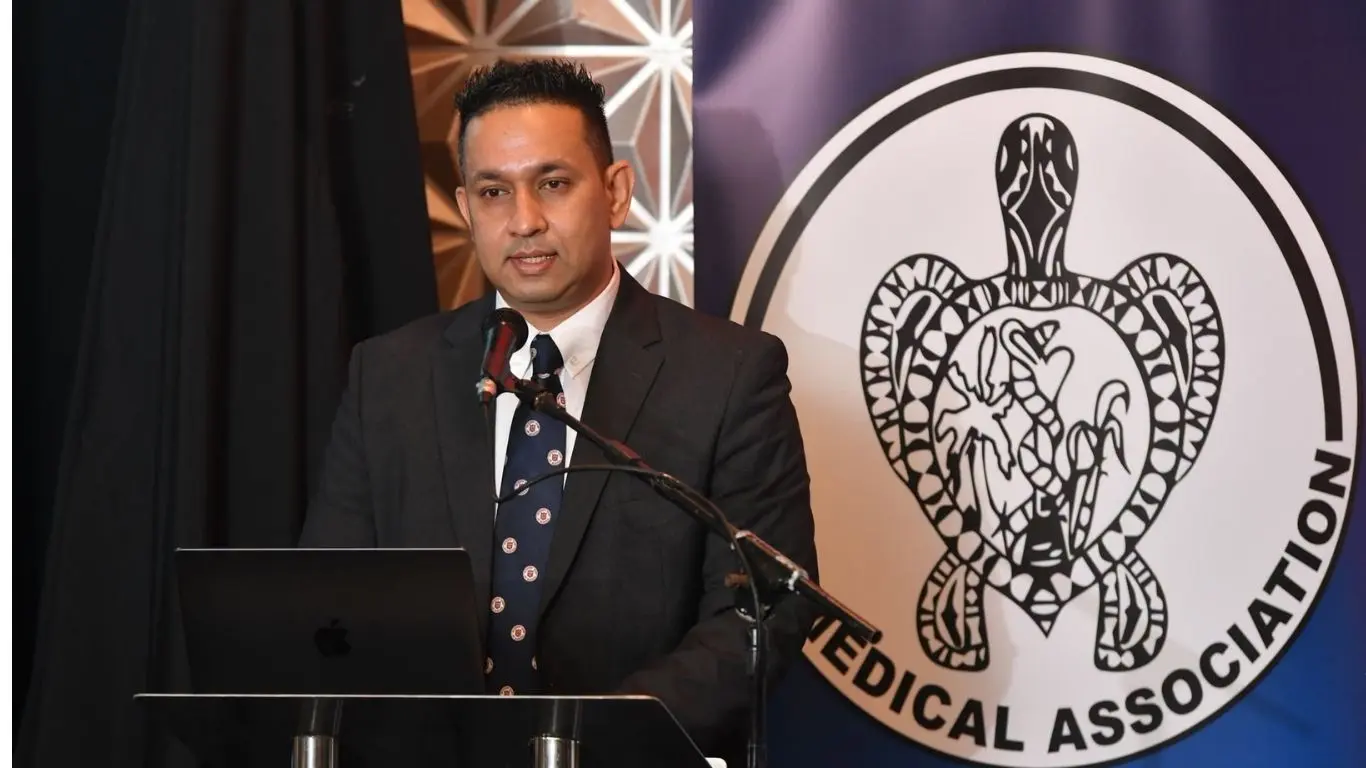
Dr Rick Fong.
“Some of the biggest challenges included securing a scholarship because of financial difficulties, learning Spanish to study medicine, leaving home for another continent, adapting to a new culture and later returning to Fiji to apply that knowledge in English,” he said.
“Another challenge was proving myself while being looked down upon as a foreign graduate, especially since we were the first group to graduate from Cuba and were entering a health system we were not familiar with.
“Within my specialty, there is still limited interest in mental health.”
Despite the hurdles, Dr Fong said he remains deeply grateful for the opportunity provided by the Cuban Government.
Cuba also changed his life in another way.
It was there that he met his wife, a Colombian national, who would later become the mother of their two-year-old daughter.
Dr Fong said his wife played a pivotal role in helping him find his path in medicine.
“She helped me during a time when I was unsure which specialty suited me best,” he said.
“I eventually joined psychiatry and fell in love with the field. Today, I help hundreds, if not thousands, of people facing mental health challenges.
“The Cuban Government offered an incredible opportunity for students from around the world to pursue their dream careers. Their hospitality, culture and resilience despite global political challenges were remarkable.
“Their medical system is internationally recognised, and they achieve excellent outcomes with limited resources.”
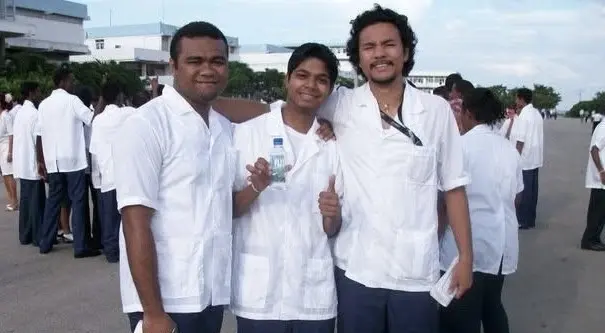
From left: The late Dr Masikerei Vunicagi, Dr Asil Kant and Dr Rick Fong during orientation before Spanish classes began.
As Fiji continues to grapple with growing mental health challenges, Dr Fong wants people to know that support is available.
“There are mental health teams across Fiji ready to help those facing challenges,” he said.
He also shared a message that continues to inspire him:
“You are building yourself in the quiet moments no one applauds. Every breath you take and every storm you survive is proof that resilience is being forged.”
Cuban Ambassador to Fiji Nestor Torres Olivera said the Cuba-Pacific Medical Scholarship Programme remains one of the strongest examples of cooperation between Cuba and the Pacific, helping to build the region’s healthcare workforce over the past two decades.
Since the programme expanded to the Pacific in 2006, more than 240 Pacific Islanders, including 32 Fijians, have graduated as doctors from Cuban medical institutions and returned home to serve their communities.
Ambassador Olivera said the impact has been significant, with Cuba-trained doctors helping to strengthen healthcare systems across the region and, in some Pacific countries, becoming leading specialists and healthcare leaders.