Concerns raised over $1.4b waste project without national plan
Objectors say the proposed waste‑to‑energy incinerator is not aligned with any national waste management framework, risking long‑term environmental and social impacts.
Wednesday 15 April 2026 | 16:00
Updated 15 April 2026 | 17:50 FJT

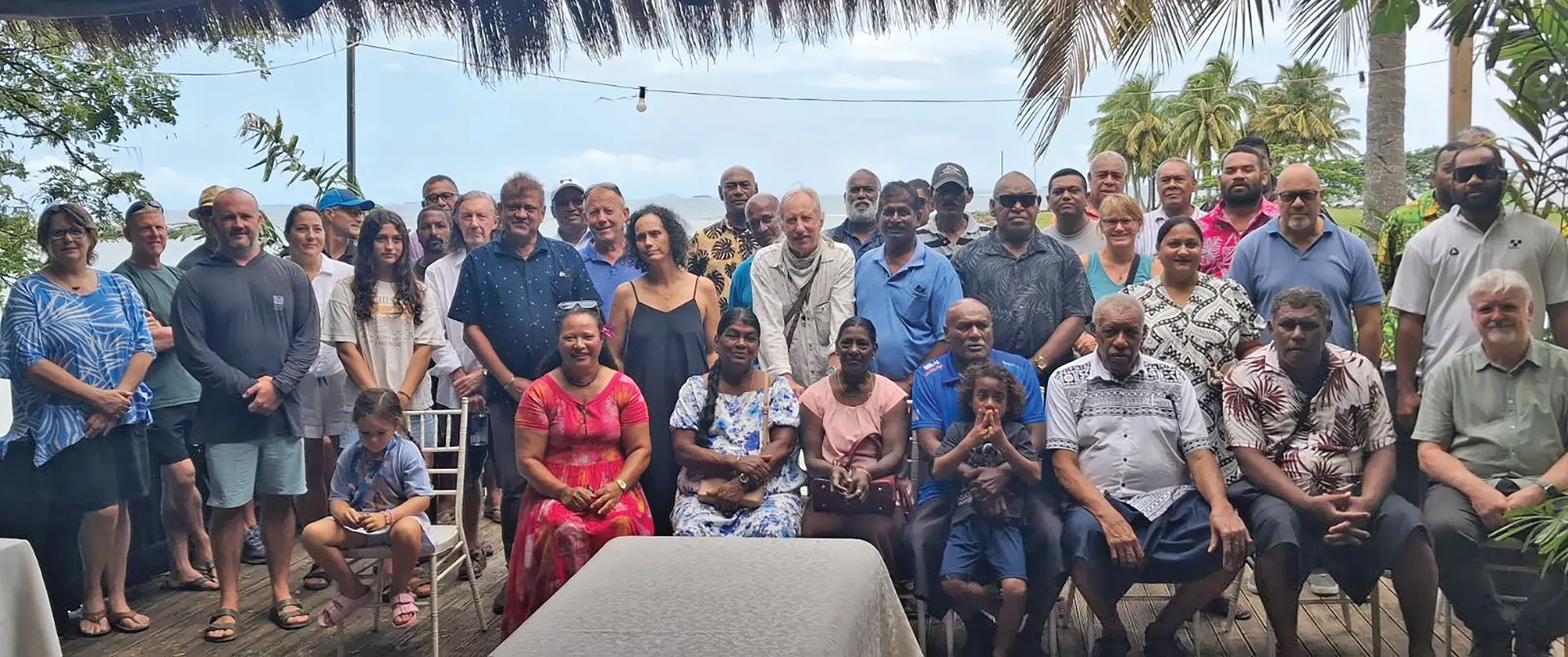
Members of the community at the update meeting of the TNG project objection taskforce in Vuda on April 11, 2026.
Photo: Waisea Nasokia
Fiji’s proposed $1.4 billion waste-to-energy (WtE) incinerator is moving forward without a national waste management plan, raising concerns about oversight of one of the country’s largest infrastructure projects.
Members of the TNG Objection Taskforce say the proposal by The Next Generation Holdings Fiji Pte Limited (TNG) is not aligned with any overarching national framework, despite its wide-ranging environmental, economic, and social implications.
At the update meeting of the TNG project objection taskforce in Vuda last Saturday, taskforce second chair and adviser Jim Dunn said the absence of national legislation leaves waste management fragmented across municipal councils.
Related stories
“Under current legislation, because we don’t have a national waste management plan, waste management is left to municipalities,” Mr Dunn said.
“Each town has its own plans, linking in areas like Nadi and Lautoka. It’s not coming under a national framework, which leads to inefficiencies.”
He said a project of this scale should be guided by a cohesive national strategy to ensure accountability and long-term planning.
Mr Dunn also stressed that concerns extended beyond waste volumes to heritage, tourism, and long-term impacts on communities.
“There is concern for future generations, land, the heritage economy, health, tourism, and livelihoods.
“Vuda-Saweni is acknowledged Fiji-wide as a heritage site; it’s the First Landing, the history of this area.
“This project will downplay and diminish the uniqueness of this area, and we in tourism development are trying to showcase it as an important part of Fiji’s history, heritage, and culture,” he said.
He said the lack of a national framework elevated the issue from a local development to one of national significance.
Taskforce member and Saweni resident Ron Blake said the proposal was being presented as a local solution while addressing a broader regional issue.
“They’re trying to present themselves as coming to help us sort out our rubbish, but the reality is Fiji is being used to solve a regional problem,” Mr Blake said.
“We’re talking about 700 tonnes of imported rubbish compared to the 200 tonnes we face locally, so they are twisting the whole thing to actually make it like they are saving us.”
Feedback: katherine.naidu@fijisun.com.fj