Fiji strengthens chemical safety
Fiji is preparing its Sixth National Report under the Stockholm Convention while moving to join three major international agreements on chemicals and waste management.
Saturday 06 June 2026 | 09:00

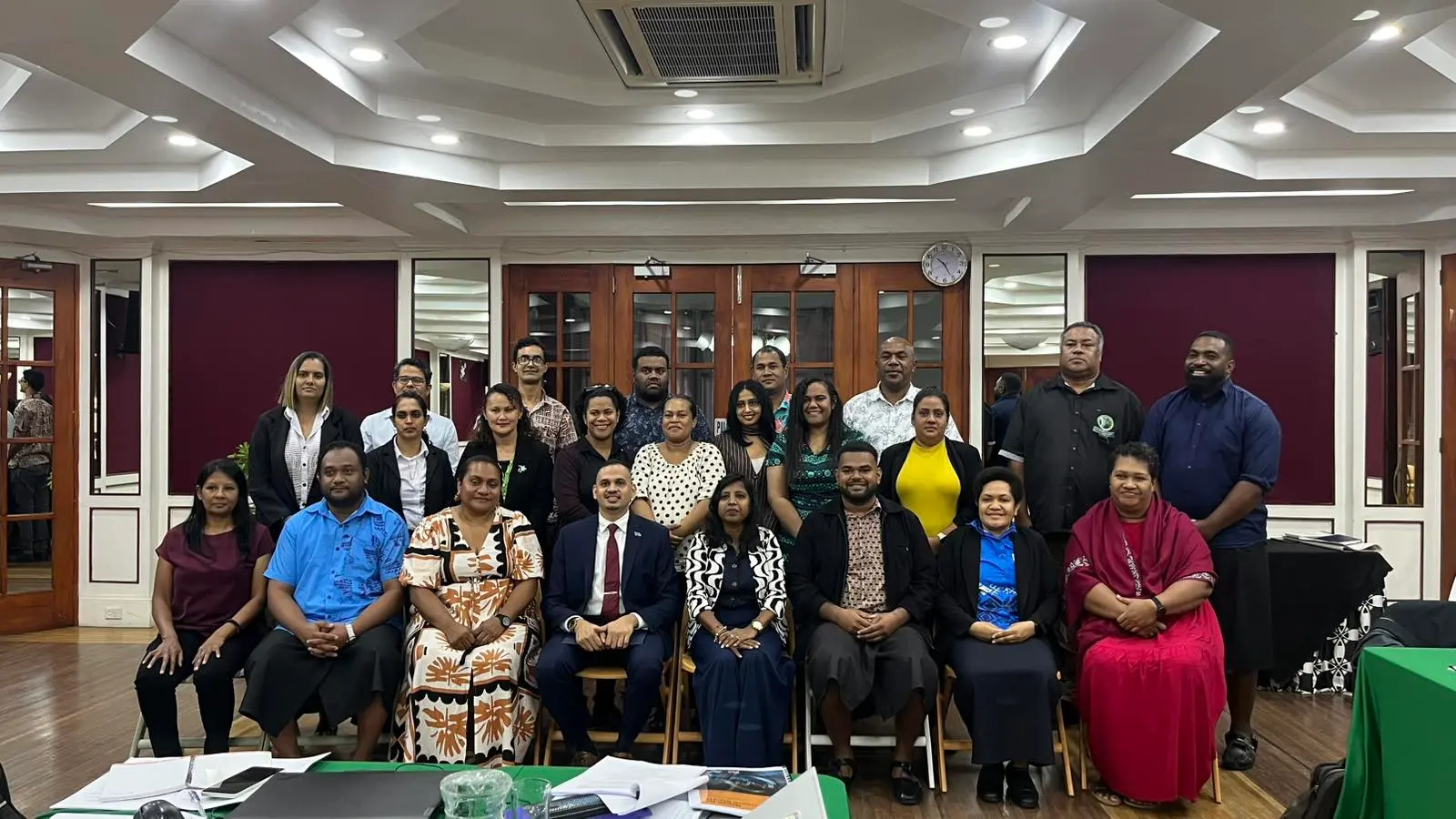
Sitting second from left: Senior environment officerJimmy Clint Gaunavou, Fiji National University assistant Professor in Environmental Science Salanieta Tuisuva, permanent secretary for Environment and Climate Change Sivendra Michael, FNU assistant Professor in Chemistry Deepti Dardhani Devi on June 5, 2026.
Photo: Joseph Balolo
Fiji is stepping up efforts to strengthen its management of hazardous chemicals and waste as it prepares its Sixth National Report under the Stockholm Convention on Persistent Organic Pollutants (POPs).
Opening a two-day National Reporting and Validation Workshop in Suva on Friday, Permanent Secretary for Environment and Climate Change, Sivendra Michael said the workshop marked a key step towards meeting the report submission deadline of August 31, 2026.
Mr Michael said persistent organic pollutants, often known as “forever chemicals”, posed serious risks because they remain in the environment for long periods, accumulate in food chains and threaten human health and ecosystems.
He also revealed that Fiji had begun the process of joining three international chemicals conventions — the Basel Convention, Rotterdam Convention and Minamata Convention on Mercury — alongside its existing commitments under the Stockholm Convention.
According to Mr Michael, Fiji is one of only three countries yet to accede to the Basel Convention
Written analyses for both the Basel and Rotterdam conventions have already been submitted to the Solicitor-General’s Office, while Cabinet has approved the accession process for both agreements.
He also announced that the Ministry of Environment and Climate Change had established its own scientific laboratory to conduct testing on water quality, air quality and chemicals of concern, reducing reliance on external institutions.
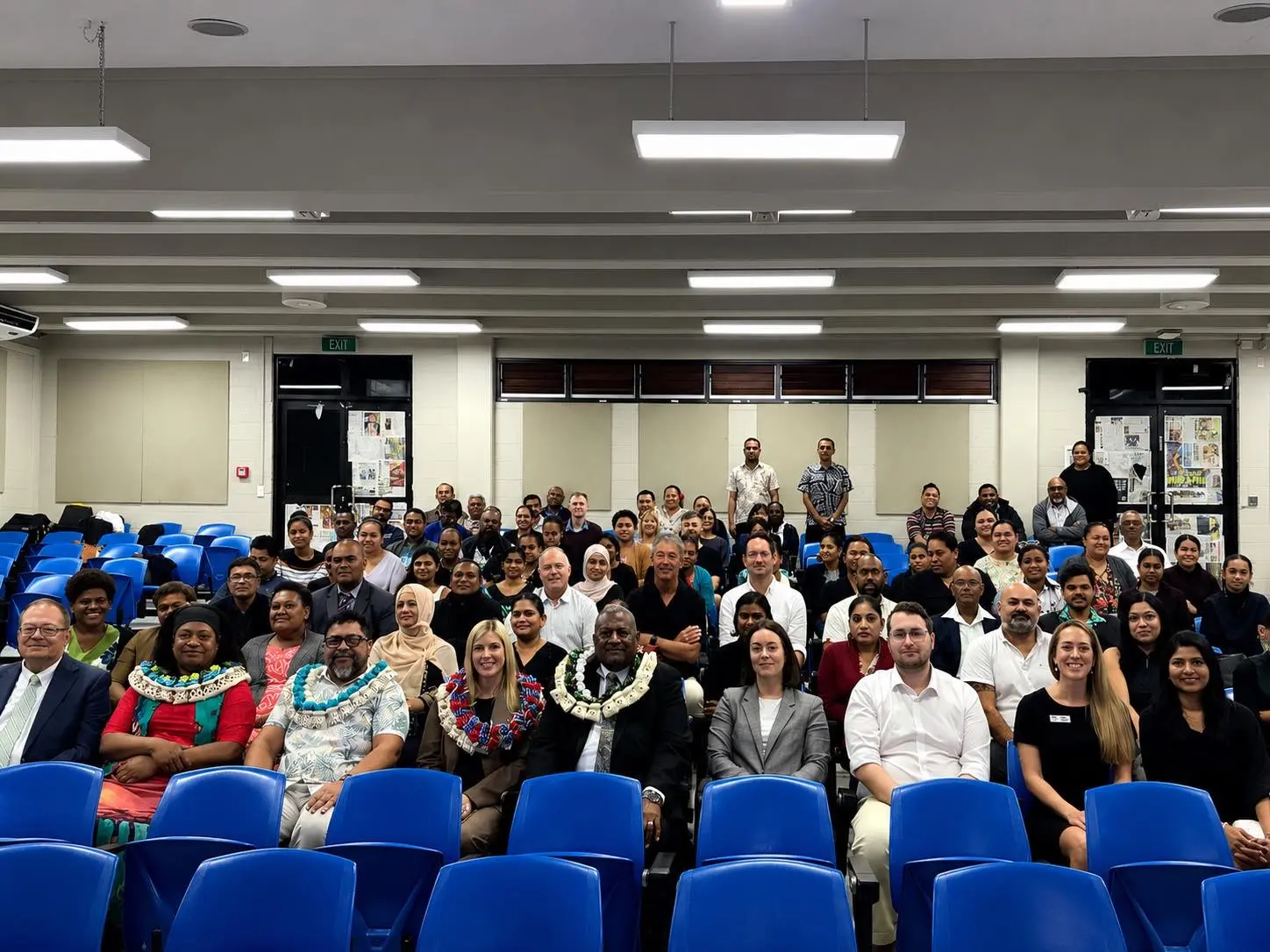
The workshop brought together Government agencies, statutory bodies, non-government organisations, private sector representatives and technical experts to validate national data for the report.
Mr Michael said the reporting process would help identify gaps in chemical management systems, strengthen policy development and improve Fiji’s access to international technical and financial assistance.
Feedback: joseph.paul@fijisun.com.fj