Fiji’s needs a waste and power crisis solution before it's too late: Cromb
The TNG Fiji co-founder and one of the project’s primary partners believes Fiji is facing two growing national crises, waste and energy, and says both are already affecting ordinary Fijians.
Monday 01 June 2026 | 07:00

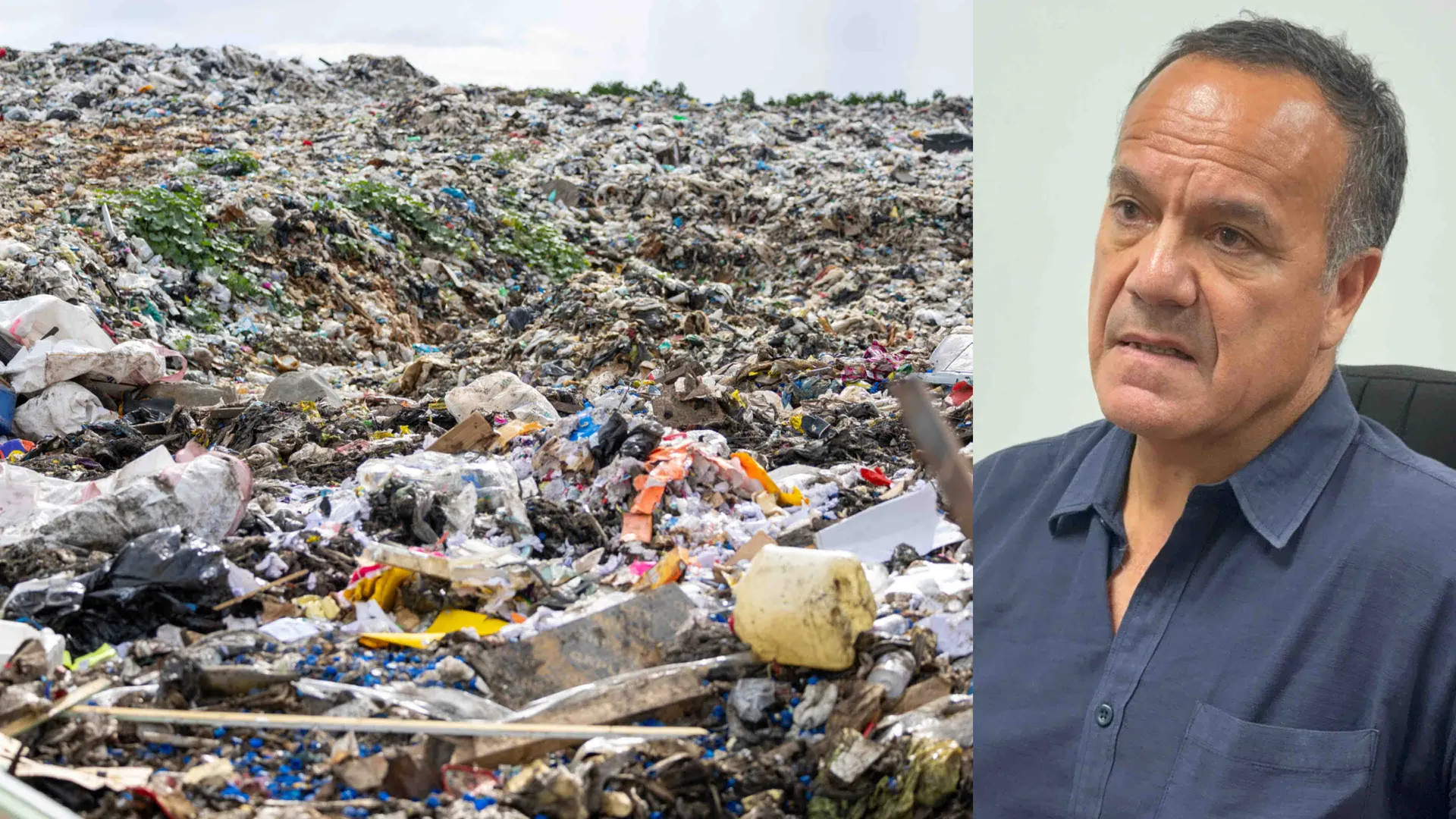
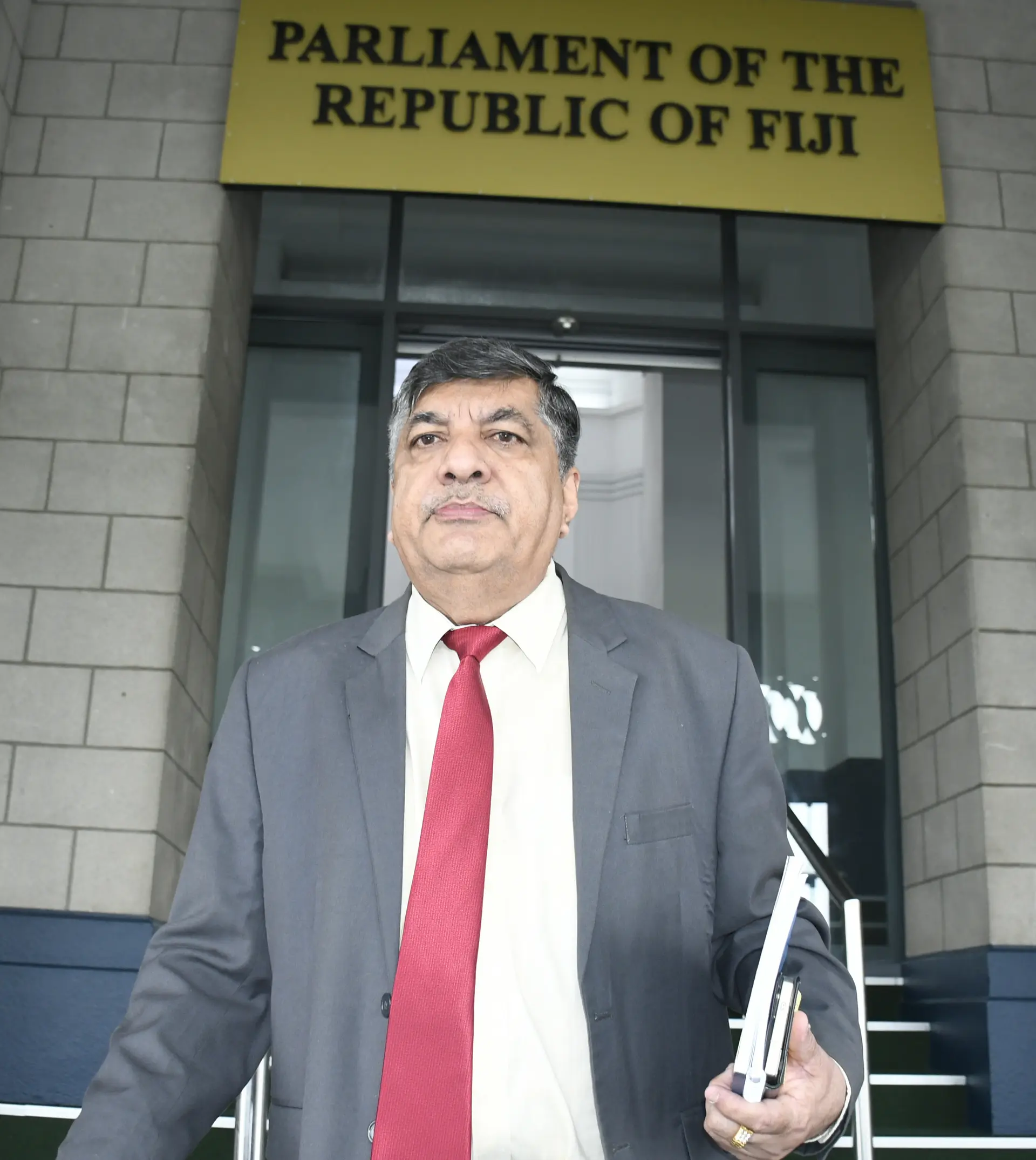
TNG Fiji co-founder Ratu Qativi Robert Cromb. (Inset) the Vunato rubbish dump.
For Ratu Qativi Robert Cromb, the driving force behind the proposed Vuda waste-to-energy project, the vision goes beyond profit.
Having spent part of his childhood in Bua Province, Mr Cromb argues that the project is about creating a sustainable solution to Fiji’s growing waste challenge while delivering long-term benefits for communities and the environment.
“It’s not about money,” he argues repeatedly.
Related stories
The TNG Fiji co-founder and one of the project’s primary partners believes Fiji is facing two growing national crises, waste and energy, and says both are already affecting ordinary Fijians.
“Why am I doing this? What’s in it? If it’s about money, then it’s a no. If it’s only about money, then it’s a no. I’ve got better things to do with my time,” Mr Cromb said.
“The why about this project is, first and foremost, is we have a crisis in our country, and that’s waste. We have a crisis in our country, that’s energy. And we have a crisis in our country that both of those things affect the lives of everyday Fijian people.”
The proposed $1.4 billion project has generated intense debate, particularly over its planned location in Vuda and concerns raised by some community members and environmental advocates.
However, Mr Cromb argues that Fiji can no longer afford to delay finding long-term solutions.
“You cannot navigate your way into a glorious future on the back of diesel-driven engines and open landfill,” he said.
A solution for rubbish and power
The project would use waste currently dumped in landfills as fuel to generate electricity.
According to Mr Cromb, rubbish destined for landfill would instead be burned in a controlled facility, producing steam that drives turbines to generate electricity.
“You have a solution here which removes waste and which provides electricity and replaces diesel generation,” he said.
He believes one of the biggest benefits would be reducing Fiji’s dependence on imported diesel fuel.
“The biggest benefit to the country is effectively the stability of power to the grid,” he said.
At present, Fiji remains vulnerable to global fuel price fluctuations.
“If the price goes up by another $20, $30, there’s nothing Fiji can do about it except buy the fuel that it needs to run the country,” Mr Cromb said.
The proposed facility, he said, is expected to provide up to 40 per cent of Fiji’s current electricity demand and make us less dependent on imported fuel.
Why Vuda?
One of the most contentious aspects of the proposal has been its location.
Critics have questioned whether a major waste-to-energy facility should be built in an area often promoted for tourism and development.
Mr Cromb believes the debate overlooks existing environmental problems.
“If you look at the area of Saweni Bay, there’s an enormous amount of leaching coming out of Vunato Dump through the mangroves into the waterway,” he said.
“So if you’re going to sell that to tourism, I actually don’t know how you’re going to sell it, because you’ve got to do something about hiding the enormous amounts of rubbish that come through that waterway.”
He argues that dealing with waste should come before expanding tourism infrastructure.
“You’ve got to actually deal with the problem before you can comfortably grow tourism,” he said.
Mr Cromb also says Vuda makes logistical sense because of its access to shipping routes and proximity to major population centres that generate waste.
“We’re not just solving a problem for Lautoka and Nadi, we’re solving a problem for the entire country,” he said.
Why Fiji cannot afford to wait
For Mr Cromb, the biggest mistake Fiji can make is postponing difficult decisions until the problems become unmanageable.
He argues that the country is already struggling to keep pace with growing demand for infrastructure, energy and waste management, and delaying action will only make future solutions more expensive.
“The reason why I think Fiji needs to do it now is because today it will cost $1.4 billion. If you do this project in 10 years’ time, it’ll cost you two to three times as much,” he said.
Mr Cromb said Fiji's population continues to grow, tourism numbers are expected to increase significantly, and waste generation is rising every year.
He believes the country must plan for where it will be decades from now rather than where it is today.
“We as a nation have to become forward-thinking. It’s not about today. It’s about what happens in 10, 20 and 30 years’ time.”
He said many of Fiji's current infrastructure challenges stem from planning systems that failed to anticipate future growth.
Drawing on his own experience, Mr Cromb pointed to Fiji's road network as an example.
“When I arrived in this country to start my business about 30 years ago, it took me two hours and 15 minutes to drive from Nadi to Suva,” he said.
“Today it’s usually about four and a half hours.”
For him, that is evidence of what happens when infrastructure is built for immediate needs rather than future demand.
He said the same lesson applies to waste management and energy security.
The country continues to rely heavily on imported diesel to keep the lights on, leaving Fiji vulnerable to global price shocks and supply disruptions.
At the same time, existing landfill sites are under increasing pressure as more waste is produced by households, businesses and a growing tourism industry.
“You cannot navigate your way into a glorious future on the back of diesel-driven engines and open landfill,” he said.
Mr Cromb believes the cost of doing nothing could ultimately be far greater than the cost of building new infrastructure today.
“We're not ready for the problem,” he said.
“And it doesn't mean we should just put up with the problem.”
Vunato dump
Mr Cromb said the consequences of delaying action were already visible in the West. He pointed to the Vunato dump in Lautoka, saying environmental impacts were becoming increasingly difficult to ignore.
“If you look at the area of Saweni Bay, there’s an enormous amount of leaching coming out of Vunato Dump through the mangroves into the waterway,” he said.
“So, if you’re going to sell that to tourism, I actually don’t know how you’re going to sell it, because you’ve got to do something about hiding the enormous amounts of rubbish that come through that waterway.”
He said Fiji needed to confront its waste problem before expanding tourism and development further.
“You’ve got to actually deal with the problem before you can comfortably grow tourism,” he said.
Mr Cromb believes waste-to-energy infrastructure would help reduce dependence on landfill sites while generating electricity, addressing what he describes as two of Fiji’s most pressing challenges at the same time.
Facing public scrutiny
The proposal has also become a lightning rod on social media.
Mr Cromb says criticism is expected, but believes misinformation has clouded public discussion.
“The conversations that I think are prevalent on social media are astounding,” he said.
“I don’t get involved in those conversations because I just think that some are ridiculous and absurd.”
While welcoming legitimate questions, he believes public debate should be grounded in facts.
“It’s okay to criticise people, but do it with objectivity so it doesn’t scare people away who might try projects like this in the future,” he said.
He urged Fijians to examine the proposal carefully rather than rely solely on online commentary.
“Social media is not a source of knowledge or information, it’s a source of opinion, and sometimes those opinions are very misinformed,” he said.
Respecting the process
The project’s future now rests with Government regulators and community consultations.
Mr Cromb said a Technical Review Committee appointed by Government was assessing the Environmental Impact Assessment and would determine the next steps.
He also acknowledged the importance of local support, particularly from traditional leaders.
“It goes without saying that the approval from Tui Vuda is critical,” he said.
“If he’s presented all the facts and he says no, it will make it very difficult for us to proceed. And I respect him. I will ultimately respect his decision.”
For now, Mr Cromb remains convinced that the project offers Fiji an opportunity to tackle two pressing challenges at once.
“We’re not ready for the problem,” he said.
“And it doesn’t mean we should just put up with the problem.”