Nacula district – staying resilient to restore lost marine treasures
Often we hear stories of climate adversities- the tragedy, the pain and hopelessness that follow. But there are also powerful stories of resilient people and communities determined to carry on with life.
Tuesday 28 June 2022 | 15:30

Often we hear stories of climate adversities- the tragedy, the pain and hopelessness that follow.
But there are also powerful stories of resilient people and communities determined to carry on with life.
One such community is the District of Nacula in the Yasawa Islands.
Related stories
For many years, the seven villages in the district have depended on the ocean to sustain them and their families.
Today, they have noticed that their source of livelihood, the ocean and the reefs, have not produced the number of marine resources it used to 10 to 20 years ago.
For this, the district together with the World Wildlife Fund (WWF) Pacific are on a mission to restore its lost treasure – the marine resources.
Through the WWF’s Project titled ‘Living with Change: Resilient Mangroves, Fisheries and People of Fiji’ the people of the district have increased resilience through integration of Ecosystem Based Adaptation, Nature Based Solutions and Disaster Risk Resilience into their Sustainable Development Plans.
This will be a partnership that will allow the two communities to work together for the next 20 years.
The intervention execution began in 2018 and is undertaken in three other districts.
Depleting Marine Resources
Nacula Tikina Development Committee chairman Ame Rokotuibau said the depleting marine resources that the villagers from the seven villages had noted in their fishing grounds was now obvious.
“One of the main issues we are facing is mainly with the number of resources in our waters, there is close to nothing left,” he said.
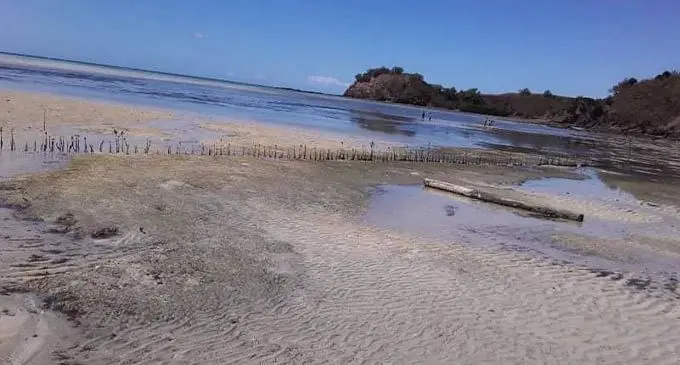
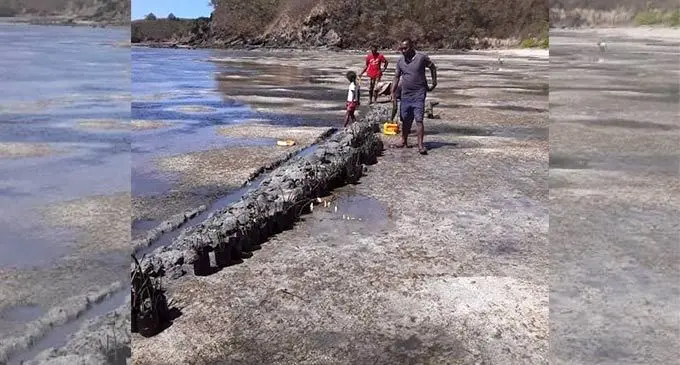
Mangrove seedling being planted along the shores of Nacula Dsitrict, Yasawa Islands.
“This is something we depend on for sustenance and for a living, the ocean is something that we treasure."
“The reefs where we had always harvested our marine resources from in the past, we don’t see them anymore these days.”
He said this prompted the villages to get together and embark on a plan that would change the scenario for the better, especially their future generation.
What Is The District Doing?
Since 2018, the villagers are championing the course for resilience in the face of climate adversities in the islands.
Mr Rokotuibau said the aim now was to restore their lost treasures.
“We have put in place some restrictions on harvesting from a number of fishing grounds and breeding places,” he said.
“Since 2018, the district has embarked on reef planting, planting mangroves, and putting in place restrictions for fishing or any harvesting on our reefs.
“We are also looking at the materials used for harvesting or fishing, anything we see that is harming our oceans we will do away with it.”
He said the WWF has also assisted villages in terms of disaster preparedness. Committees have been set up to oversee its implementation.
“The target is to restore our resources (yau bula).
“Also in the plan is to start re-planting native trees that we don’t have around in the villages.”
He added that all these were done for their future generation.
“They will be the beneficiaries of this project. We ask ourselves the question, what will we leave behind for them, and that is why we are doing what we do.”
He added that the island’s source of income were fish and lobsters that were sold in hotels.
“Now many have gone on to mud crabs, crabs and selling coconuts.”
WWF
WWF-Pacific’s Great Sea Reef manager Una Malani said the three districts have increased resilience
through the different integration programmes: Ecosystem Based Adaptation, Nature Based Solutions and Disaster Risk Resilience into their Sustainable Development Plans.
The intervention execution in 2018 at the three different districts – Nacula, Nailaga and Tavua – are communities on Fiji’s Great Sea Reef – where WWF Pacific’s efforts have focused over the last 20 or so years.
“The interventions include- facilitating capacity building for communities to better adapt to the impacts of climate change through deployment of nature based solutions such as community led mangrove management, protection and restoration, sustainable land management practices, adoption and application of agriculture best practices and standards for food security as well as community led fisheries management and ecosystem based adaptation approaches,” Ms Malani said.
“In addition, these are integrated into the Community’s Sustainable Development Plan and Disaster Management Plans. These 20-year plans are being used by the community to benchmark and consult stakeholders on sustainable development within their district.”
She said some of the successful elements of the project included get- ting the community’s buy-in and ensuring their inclusive participation and involvement in the design and development of the community sustainable development plans, their fisheries management plans, their disaster risk reduction plans and food security plans.
“Ensuring equal participation of women, youth and vulnerable groups in decision making processes and also in intervention activities. Providing necessary capacity building activities to community leaders and champions with a special focus on women and youths.”
The Fiji Sun would like to thank the WWF Pacific, ABC International Development and the Australia Pacific Climate Partnership for their support for this story.
Feedback: inoke.rabonu@fijisun.com.fj
- The Fiji Sun would like to thank the WWF Pacific, ABC International Development and the Australia Pacific Climate Partnership for their support for this story.