Relief in Vuda as Govt rejects waste-to-energy and port proposal
Friday 05 June 2026 | 10:00
Landowners and environmental groups say the decision reinforces the importance of public consultation, environmental safeguards and customary land rights.
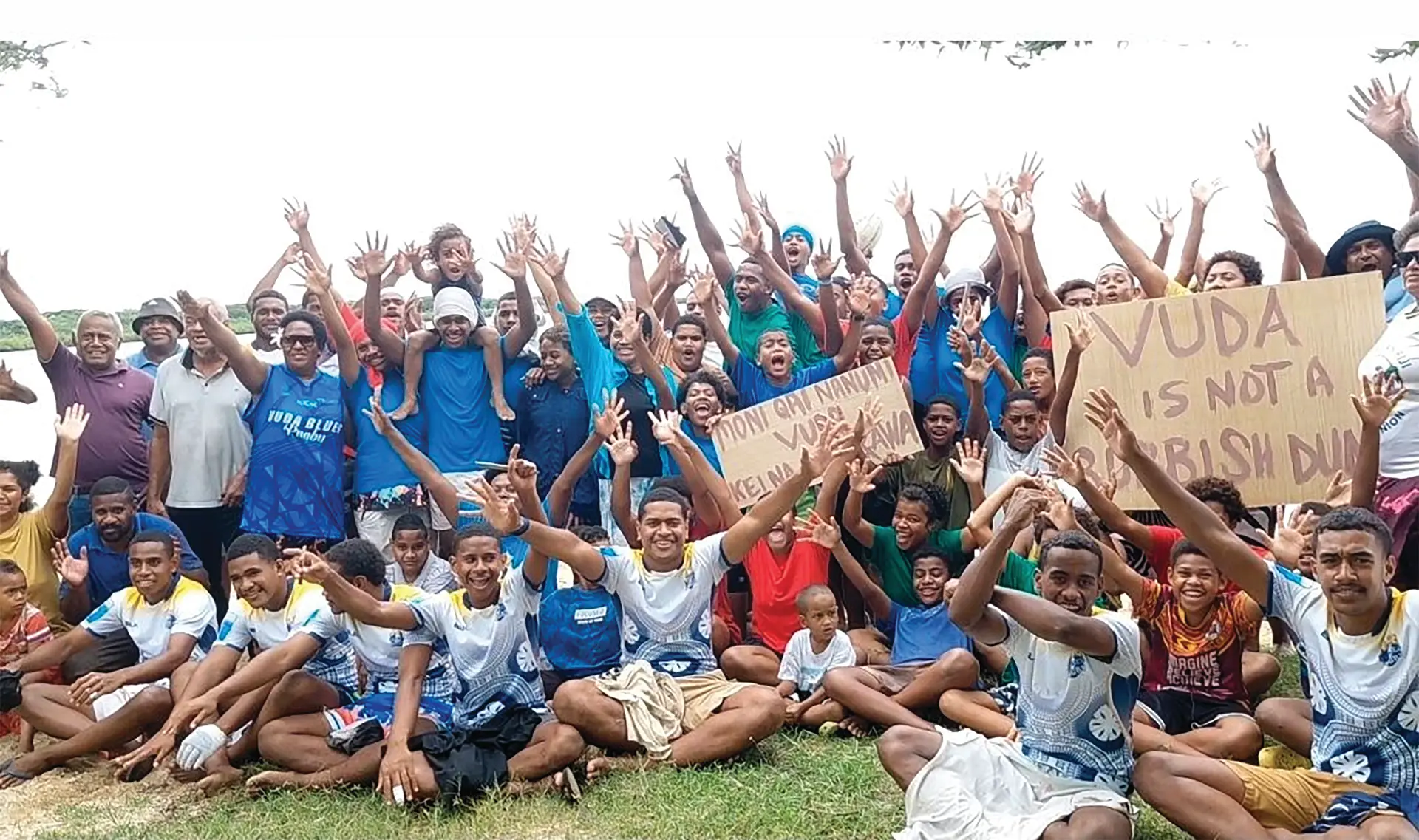
A wave of relief has swept through Vuda in Lautoka and surrounding coastal communities following the rejection of a proposed waste-to-energy plant and private port development.
Landowners and environmental advocates say the decision restores confidence in customary land rights and highlights the importance of public consultation in major development proposals.
Representatives of the Tokatoka Wadigi sub-clan said the outcome reflects long-standing concerns about the use of their land and its cultural significance.
Related stories
Head of Tokatoka Wadigi, Apimeleki Nasalo, said the land holds deep historical meaning for his people.
"I thank everyone who supported the Tui Vuda's decision not to allow this project on our land," Mr Nasalo said.
"This area holds our history, our livelihood and our future. We are confident that no one can take our land without our permission."
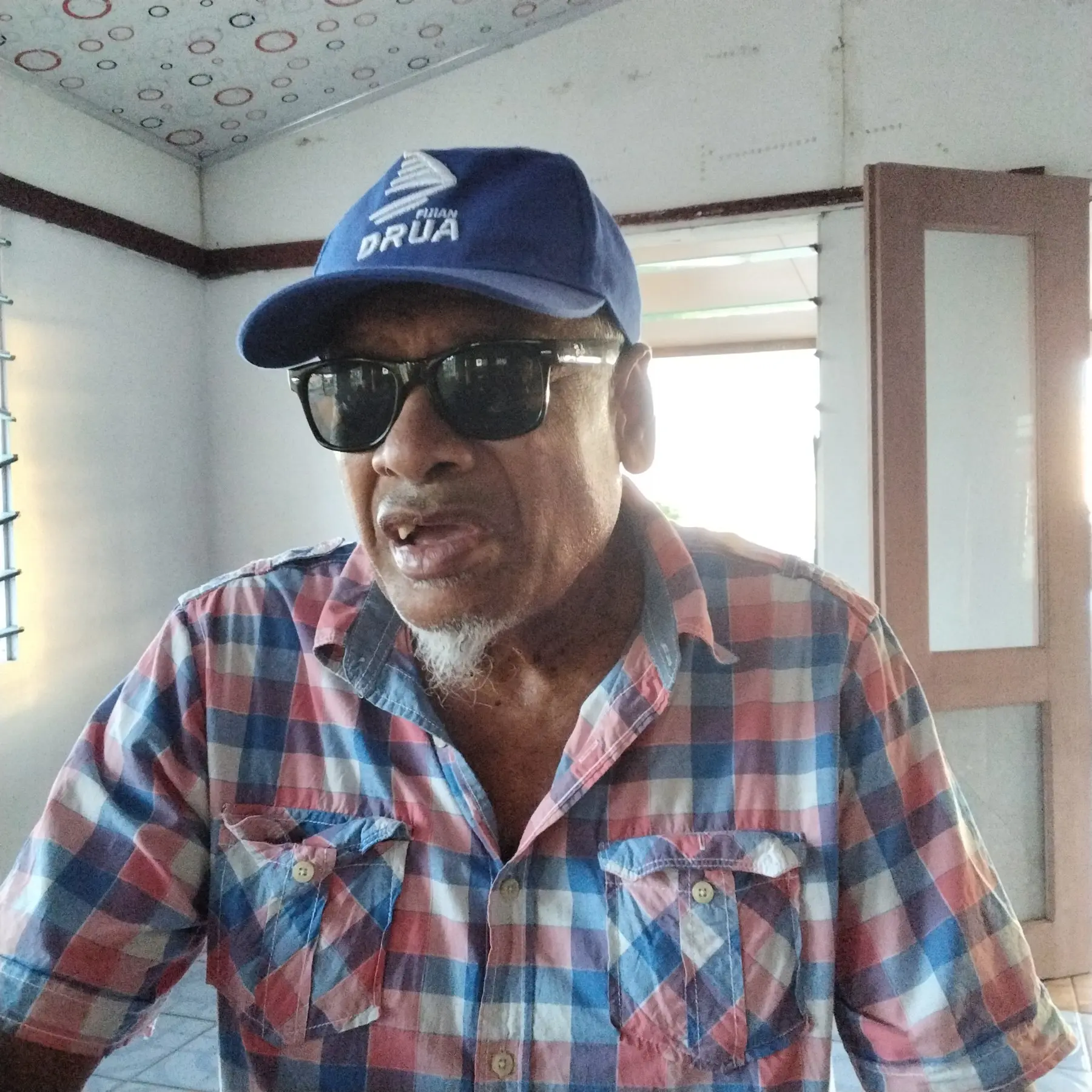
Head of Tokatoka Wadigi, Apimeleki Nasalo.
Photo: Beranadeta Nagatalevu
He said the decision had prevented what he described as an incompatible development from proceeding near other proposed infrastructure projects.
Coastal heritage advocates from Protect the Coastal Heritage – Vuda and Saweni also welcomed the decision, saying it demonstrated the importance of early engagement and transparency in major development proposals.
The group said communities should not be placed in a position where they are forced to respond only after environmental assessments have been completed.
"Communities have a right to be informed, to ask questions and to have their concerns heard when developments of this scale are proposed," the group said.
They said future proposals must begin with proper planning, feasibility studies, site selection and meaningful consultation from the outset.
Permanent secretary for Environment Dr Sivendra Michael confirmed that the Department of Environment had formally declined the Environmental Impact Assessment (EIA) for the proposed Energy-from-Waste plant and private port facility at Vuda Point.
He said the decision followed a full statutory process under the Environment Management Act 2005, including technical reviews, public submissions and expert assessments.
Mr Michael said the review identified major unresolved environmental, technical, social and economic concerns.
These included:
- Waste supply assumptions and reliance on imported waste;
- Lack of proven reference technology for the proposed facility;
- Air emissions, pollution control and long-term health risks;
- Hazardous ash disposal and contamination risks; n Water demand, groundwater and coastal impacts;
- Engineering feasibility, site stability and climate resilience;
- Traffic, transport and port infrastructure impacts;
- Tourism, fisheries and economic displacement concerns;
- Cultural heritage and customary land issues; and
- Emergency response and monitoring frameworks.
He said the project could not proceed because the EIA did not provide sufficient evidence that it could be safely implemented at the proposed scale.
The department also confirmed one of the largest public responses recorded in Fiji's environmental assessment process.
The response included 875 written submissions, 5610 online petition signatures and 3193 paper petition signatures.
Authorities said most submissions raised concerns about marine ecosystems, public health, emissions, waste handling and long-term environmental risks.
The ministry said the scale of public opposition and unresolved technical concerns meant the proposal could not be considered to be in the public interest in its current form.
It said that while the rejection closes this proposal, it does not rule out future waste management solutions, provided they are supported by stronger science, clearer planning and broader consultation from the outset.