2 Years Of Air Services Hailed
“The PHP-C, as it came to be known, provided the enabling political environment and commitment to expedite assistance and cooperation between member countries in preparing for and responding to COVID-19.”
Friday 21 October 2022 | 15:02

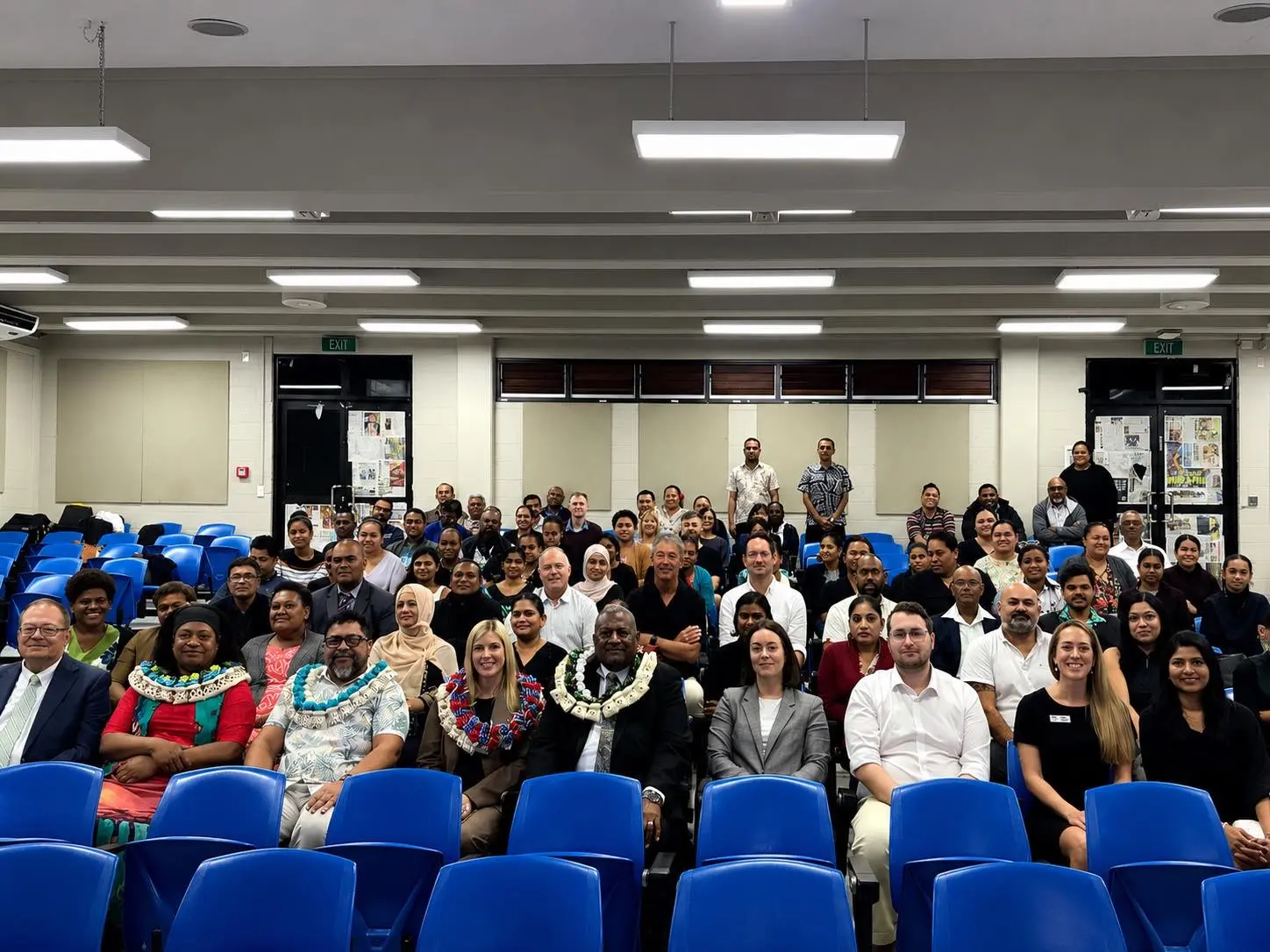
National Disaster Management Office director Vasiti Soko (third from left), with guests and stakeholders of the World Food Programme at the Grand Pacific Hotel on October 19, 2022. Photo: Josefa Babitu
At the height of the COVID-19 pandemic, the World Food Programme (WFP) set up the Pacific Humanitarian Air Services to help Pacific Island countries get much-needed relief supplies amid global lockdowns.
While operations started in August 2020, the service was initially set up for three months only but the needs and wants of the Pacific was such that it continued for another two years.
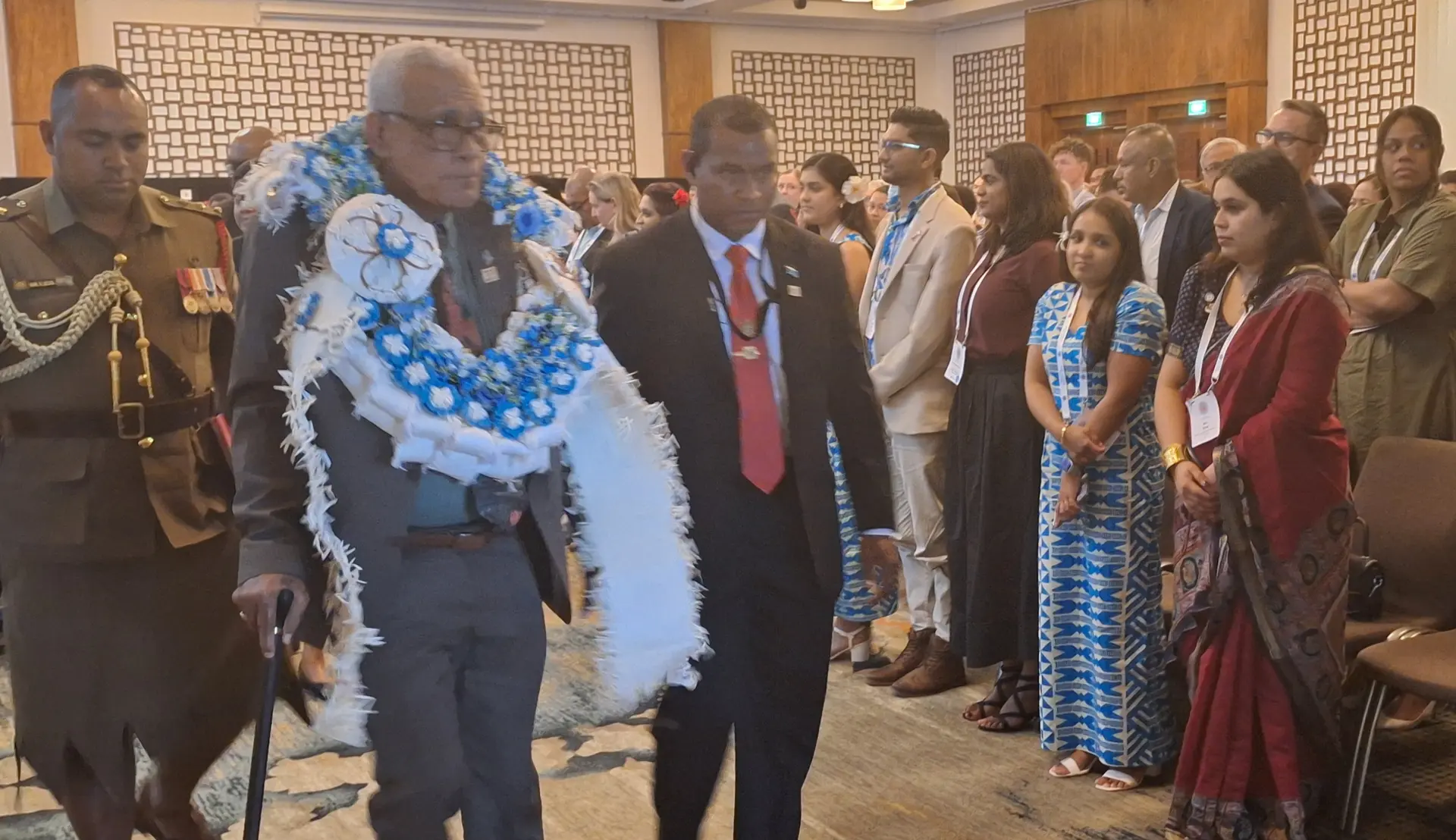
WFP’s air service celebrated its two-year anniversary on Wednesday at the Grand Pacific Hotel together with stakeholders including the Fiji National Disaster Management Office, European Union, US Embassy, and the Pacific Island Forum Secretariat (PIFS) to name a few.
Related stories
To date, the Pacific Humanitarian Air Service has operated 41 flights to 14 destinations across the Pacific and transported more than 300 metric tons or 2,200 cubic metres of humanitarian cargo including Personal Protective Equipment, medicines, oxygen concentrators, and 77 passengers on technical missions, repatriation, or medical evacuation.
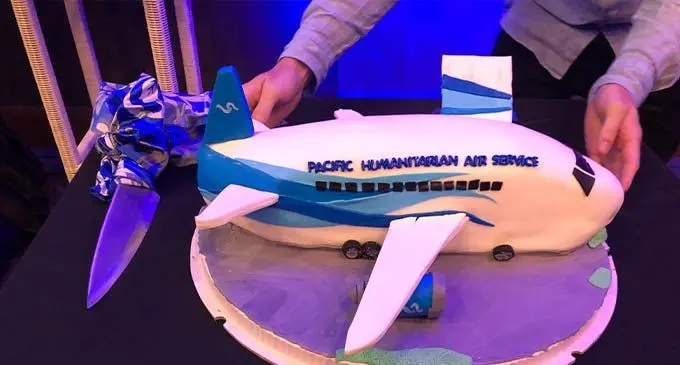
Pacific Humanitarian Air Services cake marking two years of operations . Photo: Josefa Babitu
Essential Partners
PIFS director operations, Apaitia Veiogo, said, services by the WFP and its counterparts were essential partners in this effort.
“So essential that I can confidently say that the PHP-C would not have had the same level of success without the excellent support of our colleagues, and hosts for this evening’s celebrations, the World Food Programme,” he said.
“In April 2020, Forum Leaders invoked the Biketawa Declaration and established the Pacific Humanitarian Pathway on COVID-19.
“The PHP-C, as it came to be known, provided the enabling political environment and commitment to expedite assistance and cooperation between member countries in preparing for and responding to COVID-19.”
Mr Veiogo said every stakeholder had done incredibly well in providing the necessary support to its members in their preparedness and response to COVID-19.
“The PHP-C was successful because we had a common political will, there was clear articulation of the system of interest, we had a common vision and common goals and we had the right partnering approach and that partners were optimal.”
Story by: josefa.babitu@fijisun.com.fj