23% of Fiji’s youth not in school or work
UN Resident Coordinator Dirk Wagener said the data showed public trust in government institutions remained strong, which he described as a “critical asset” for building a stable society.
Monday 30 March 2026 | 15:00
Updated 30 March 2026 | 17:25 FJT

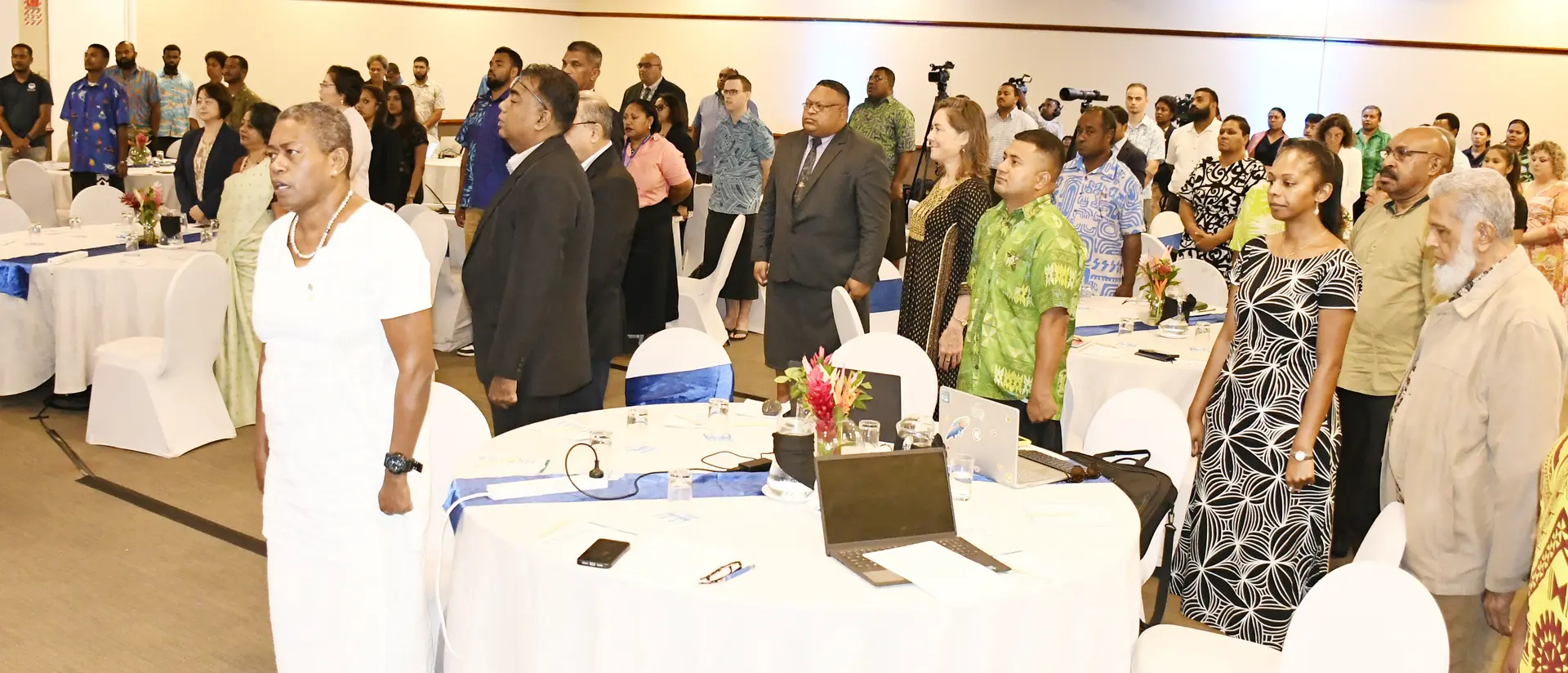
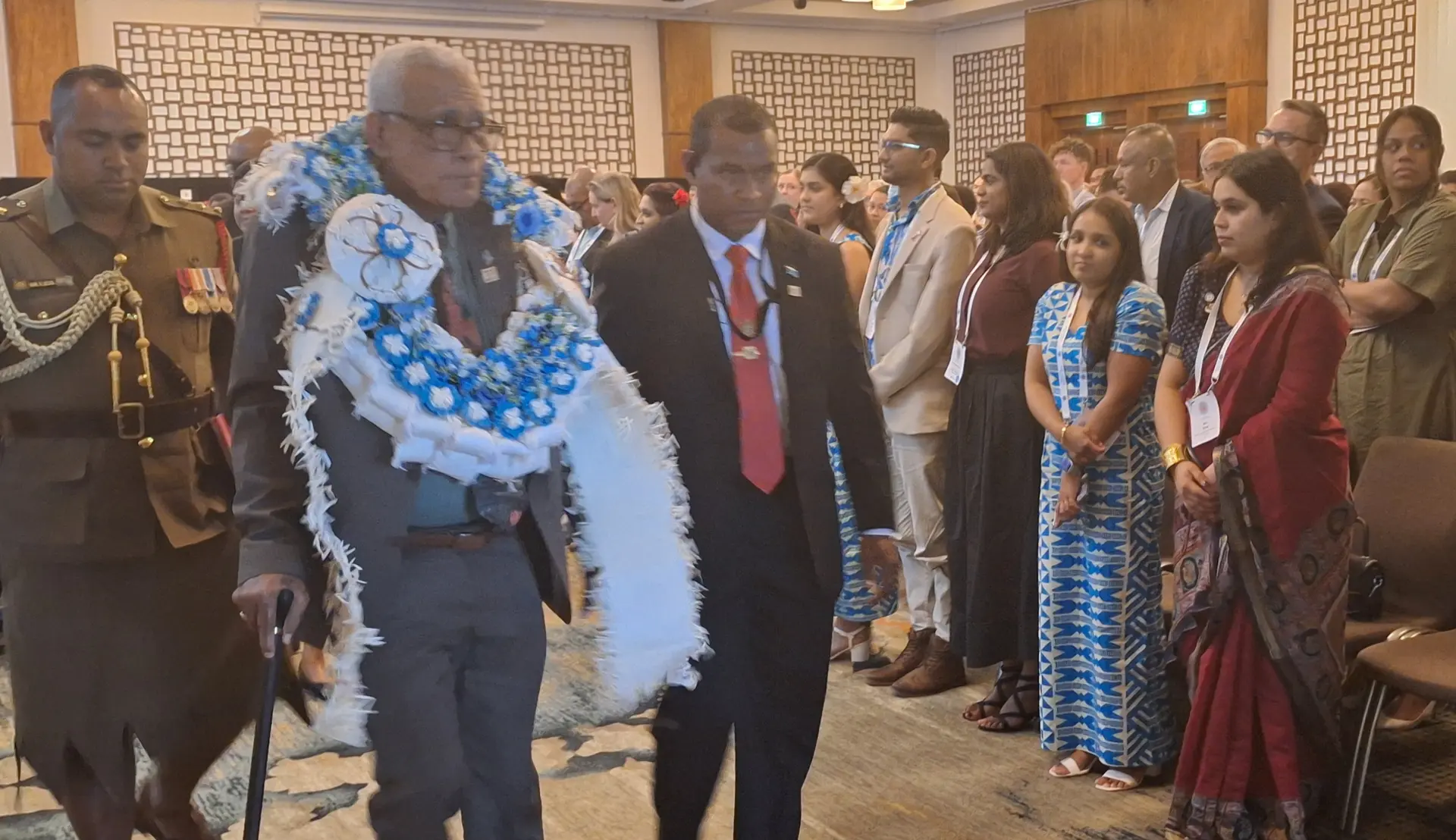
Prime Minister Sitiveni Rabuka officially opened the conference, where the United Nations Development Programme (UNDP) presented findings from Fiji’s first Social Cohesion and Reconciliation Index.
Ronald Kumar
Almost a quarter of Fiji’s young people are neither studying nor working.
This was revealed at the National Social Cohesion Stakeholders Conference at the Grand Pacific Hotel this morning.
Prime Minister Sitiveni Rabuka officially opened the conference, where the United Nations Development Programme (UNDP) presented findings from Fiji’s first Social Cohesion and Reconciliation Index.
Related stories
The index is a major study measuring how united and trusting Fijian society is.
UNDP Resident Representative Munkhtuya Altangerel said 23.7 per cent of young Fijians are NEET — meaning they are not in education, employment or training.
“Youth and women’s empowerment, economically, socially and politically, remains one of the most urgent areas for investment and also one of the most powerful levers for social cohesion,” Ms Altangerel said.
The index was developed by international research body SeeD (Centre for Sustainable Peace and Democratic Development) in partnership with Fiji National University.
The study also found that acceptance of gender-based violence and gender stereotypes remained high among young men.
However, the index offered a positive finding: nearly nine in 10 people surveyed in the Lomaiviti and Koro Sea areas supported women as leaders.
UN Resident Coordinator Dirk Wagener said the data showed public trust in government institutions remained strong, which he described as a “critical asset” for building a stable society.
Mr Rabuka told delegates the conference was a “pivotal platform” for dialogue, urging participants to move beyond differences.
“Working in silos is a thing of the past,” Mr Rabuka said. “We must remain grounded in the spirit of soli-soli-vaki, where our collective strength far exceeds our individual effort.”
The index was funded through the UN Peacebuilding Fund and conducted in partnership with government ministries and civil society groups.
UNDP said further consultations would continue throughout 2026.