$8 living wage ‘beginning of transformation’: Kiran
Ms Kiran backed calls for better wages and described Fiji’s proposed $8 living wage as “the beginning of transformation”.
Sunday 10 May 2026 | 16:00

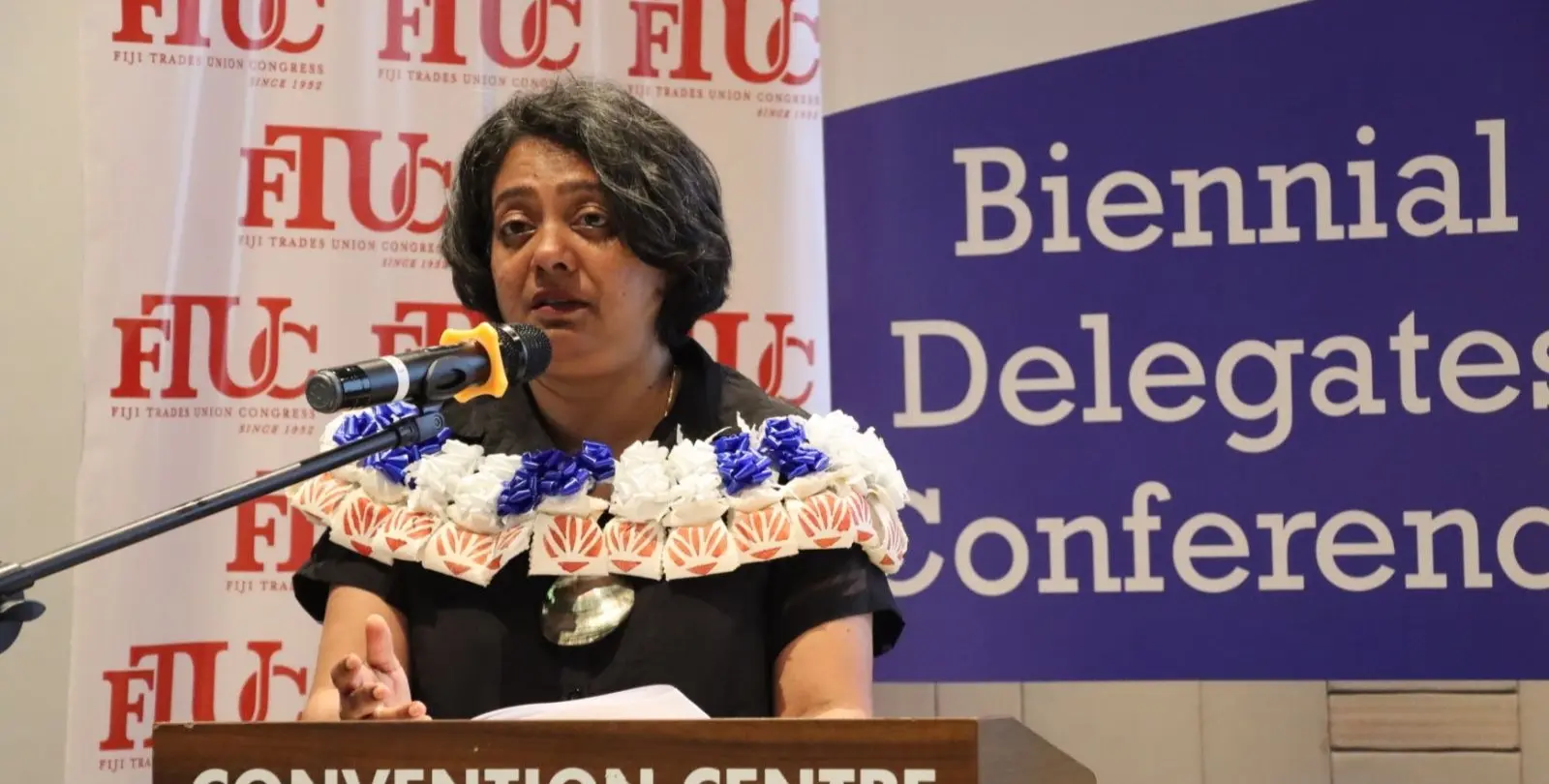
Minister for Women, Children and Social Protection Sashi Kiran says wages in Fiji must do more than help people survive and should instead provide stability and opportunity for families.
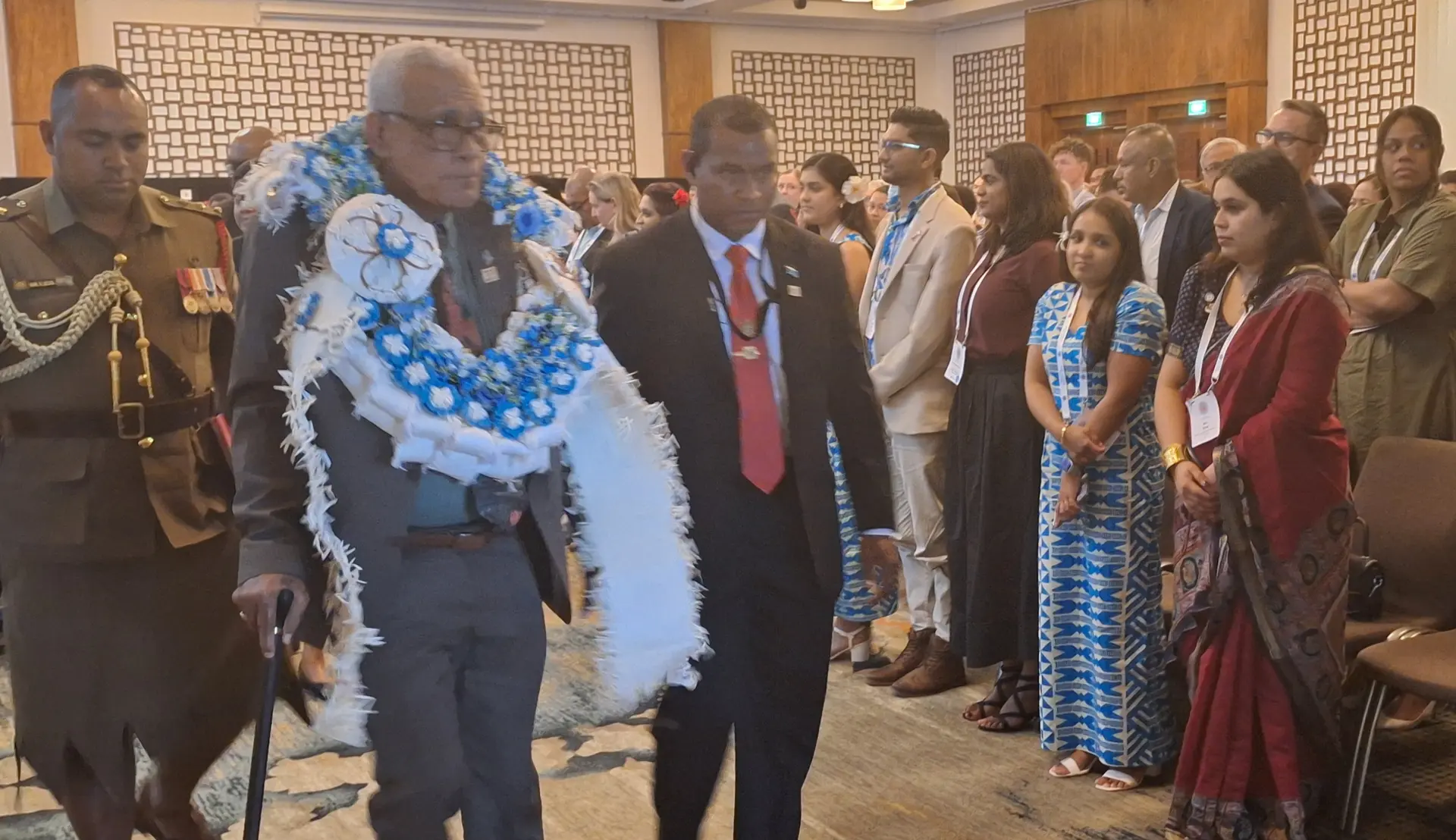
Speaking at the 51st Biennial Delegates Conference of the Fiji Trades Union Congress at the Tanoa International Hotel in Nadi yesterday, Ms Kiran backed calls for better wages and described Fiji’s proposed $8 living wage as “the beginning of transformation”.
The conference focused on the FTUC’s push for a national living wage, with the launch of Fiji’s proposed $8 living wage highlighted as a major milestone.
Related stories
“Our wage must do more than sustain survival, it must enable community stability and opportunity,” Ms Kiran said.
“I acknowledge the leadership of the FTUC in advocating for a minimum wage of $6 and the milestone launch of Fiji’s $8 national living wage today. It is the beginning of transformation.”
Ms Kiran said a living wage would help families move out of poverty by improving access to better food, housing, education and healthcare.
“It also puts more money in the hands of individuals, which could drive domestic consumption and stimulate economic activity,” she said.
She said the proposal aligned with Fiji’s National Development Plan and Vision 2050, which focused on inclusive economic growth, reduced inequality and stronger social protection systems.
Ms Kiran urged unions to continue advocating for fair wages while also addressing violence against women.
“The Ministry of Women, Children and Social Protection remains committed to advancing the rights, safety and wellbeing of women, children and vulnerable communities through stronger partnerships and inclusive policies that promote dignity and equality for all Fijians,” she said.
She also highlighted the important role unions played in promoting decent work, fair wages and safer workplaces.
Ms Kiran said discussions around decent work could not be separated from gender equality, noting many women remained concentrated in low-paid and insecure jobs.
“Women remain concentrated in low-paid and insecure sectors, while many are under-employed or unemployed,” she said.
“This is not by chance. These are structural inequalities that continue to affect women and their families.”
She called for greater investment in training and employment opportunities for women and people living with disabilities, particularly in industries where Fiji continued to depend on overseas workers.
Ms Kiran also commended unions for launching the “50/50 by 2050” initiative earlier this year to improve female representation in union leadership and tackle workplace gender inequality.
She urged unions to strengthen support systems for women experiencing violence and abuse, warning that violence against women continued to affect workplaces, families and the wider economy.
“More than 60 per cent of women in Fiji have experienced some form of violence,” she said.
“Violence affects productivity through absenteeism, stress, injuries and loss of focus at work. These are not only workplace issues, they are human rights issues.”
Ms Kiran encouraged unions to establish confidential support systems for women workers and increase awareness programmes aimed at preventing violence and harmful behaviour.
She also acknowledged the contributions of past and present union leaders in advocating for workers’ rights and social justice, saying unions remained critical in shaping a fairer and more inclusive Fiji.