Affected farmers given one week to seek assistance
Farmers affected by the dry spell are being encouraged to review the prospectuses for the six initiatives and submit an Expression of Interest (EOI) for assistance that best meets their needs.
Wednesday 11 November 2026 | 17:30
Updated 11 November 2026 | 18:31 FJT


Minister for Agriculture, Waterways and Sugar Industry Tomasi Tunabuna (right) with Permanent secretary for Agriculture Andrew Tukana during a press conference on November 11, 2026.
Photo: Ministry of Agriculture.
Farmers struggling with crop losses, water shortages and livestock feed shortages have been given an initial one-week window to apply for Government assistance under six new El Niño response initiatives.
The Ministry of Agriculture, Waterways and Sugar Industry launched the initiatives on Wednesday, November 11, to help farmers protect their livelihoods and maintain food production as prolonged dry conditions continue across Fiji.
The assistance covers emergency farm water supplies, irrigation equipment, livestock feed, planting materials, soil moisture management, household food production and sugarcane protection.
Related stories
Minister for Agriculture, Waterways and Sugar Industry Tomasi Tunabuna said the initiatives were developed after assessments identified increasing pressure on farming households.
“To our farmers across Fiji, we hear you. We recognise the challenges you are facing, and we understand the pressure that prolonged dry conditions are placing on your farms, livelihoods and families,” said Hon. Tunabuna.
How farmers can apply
Farmers affected by the dry spell are being encouraged to review the prospectuses for the six initiatives and submit an Expression of Interest (EOI) for assistance that best meets their needs.
The application process will initially remain open for one week.
After that, the Ministry will review the number, location and nature of applications to determine whether an extension is necessary.
However, Mr Tunabuna stressed that submitting an EOI would not automatically guarantee assistance.
Applications will be assessed against eligibility requirements, field verification, technical suitability, severity of impact and available resources.
Farmers have been urged to provide complete and accurate information to support the assessment process.
Priority will be given to those facing the greatest impacts and with the least capacity to recover without assistance.
Six types of assistance available
1. Emergency farm water and irrigation
Farmers facing water shortages may seek assistance through water tanks, emergency water delivery, water conveyance systems, irrigation kits and sugarcane irrigation where technically appropriate.
2. Livestock feed, water and animal health
Livestock farmers may receive support through cut-and-carry feeding, silage, supplementary feed, livestock water, strategic destocking advice, bee feed and essential veterinary treatment.
3. Planting materials and seeds
The Ministry will support access to suitable planting materials for dalo ni tana, kawai, tivoli, yams, vegetables, kumala, rice, dalo and cassava.
Strategic multiplication blocks will also be established to improve the availability of planting materials for recovery and future production.
4. Climate-smart farming
Farmers will be supported to adopt methods that help retain soil moisture and improve drought resilience.
These include mulching, minimum tillage, cover crops, protected cropping, drip irrigation, drought-tolerant varieties, demonstration sites and water harvesting.
5. Household and community food security
Support will focus on home gardening, community nurseries, backyard farming and communal food production, particularly for households experiencing pressure on their food supplies.
6. Sugar-sector drought protection
Sugarcane farmers may receive targeted support through trash retention, minimum tillage, crop-stress mapping, crop checks, irrigation, wildfire advisories and access to suitable early-maturity seed cane.
Food security concerns
Mr Tunabuna said reports from agricultural stations, extension officers, farmer organisations and industry representatives had highlighted declining water availability, crop losses, deteriorating pastures and reduced farm incomes.
Livestock feed shortages and pressure on household food supplies were also among the concerns identified.
The Minister warned that reduced agricultural production could affect food availability, market supplies, prices, exports, rural incomes and household nutrition.
The Ministry also convened a meeting of Fiji's Food Security Cluster on Wednesday to coordinate responses involving farmers, exporters, households and consumers.
It has engaged the World Food Forum Fiji Youth Chapter, Fiji Women Farmers Network, civil society organisations and community representatives to ensure that assistance reflects the needs of different groups.
“This includes women farmers, young people, persons living with disabilities, minority groups, remote communities and vulnerable households.”
Farmers urged to conserve water
Mr Tunabuna said the six initiatives represented the first stage of the Ministry's targeted response to El Niño.
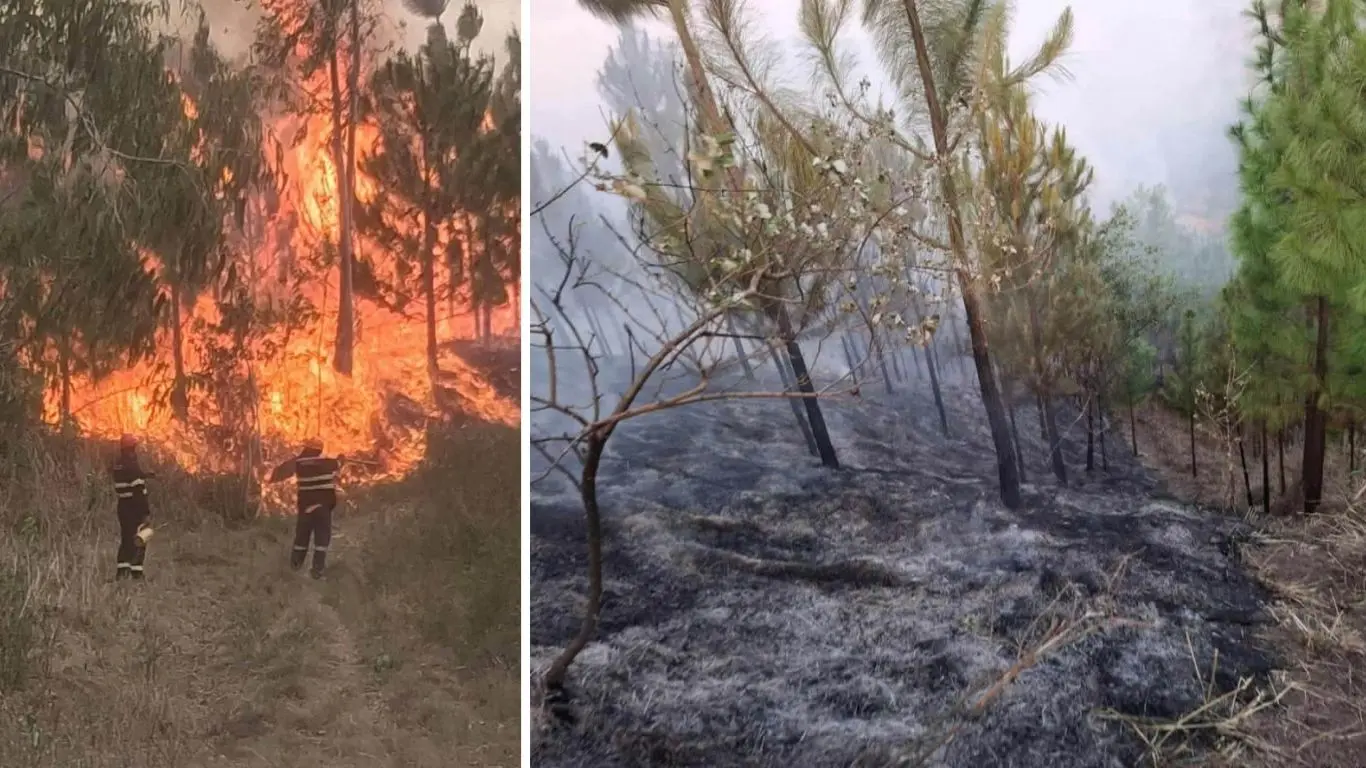
He urged farmers to conserve water, protect water sources, follow wildfire advisories and avoid unnecessary burning.
Farmers were also encouraged to use mulching, minimum tillage, water harvesting and efficient irrigation to reduce moisture loss.
“To our farmers, you are at the heart of Fiji’s food and nutrition security. You sustain our communities, supply our markets, support our rural economy and contribute to the wellbeing of our nation.
“We may not be able to address every challenge immediately, but we will continue to listen, assess and act,” stressed Hon. Tunabuna.
The Ministry said it would continue monitoring conditions and reviewing its interventions as further information became available.