Water cuts must not compromise workers’ safety: Vosarogo
Minister for Employment, Productivity and Workplace Relations Filimoni Vosarogo said employers remained legally responsible for providing safe drinking water, adequate sanitation and suitable handwashing facilities despite water shortages.
Friday 27 November 2026 | 11:00

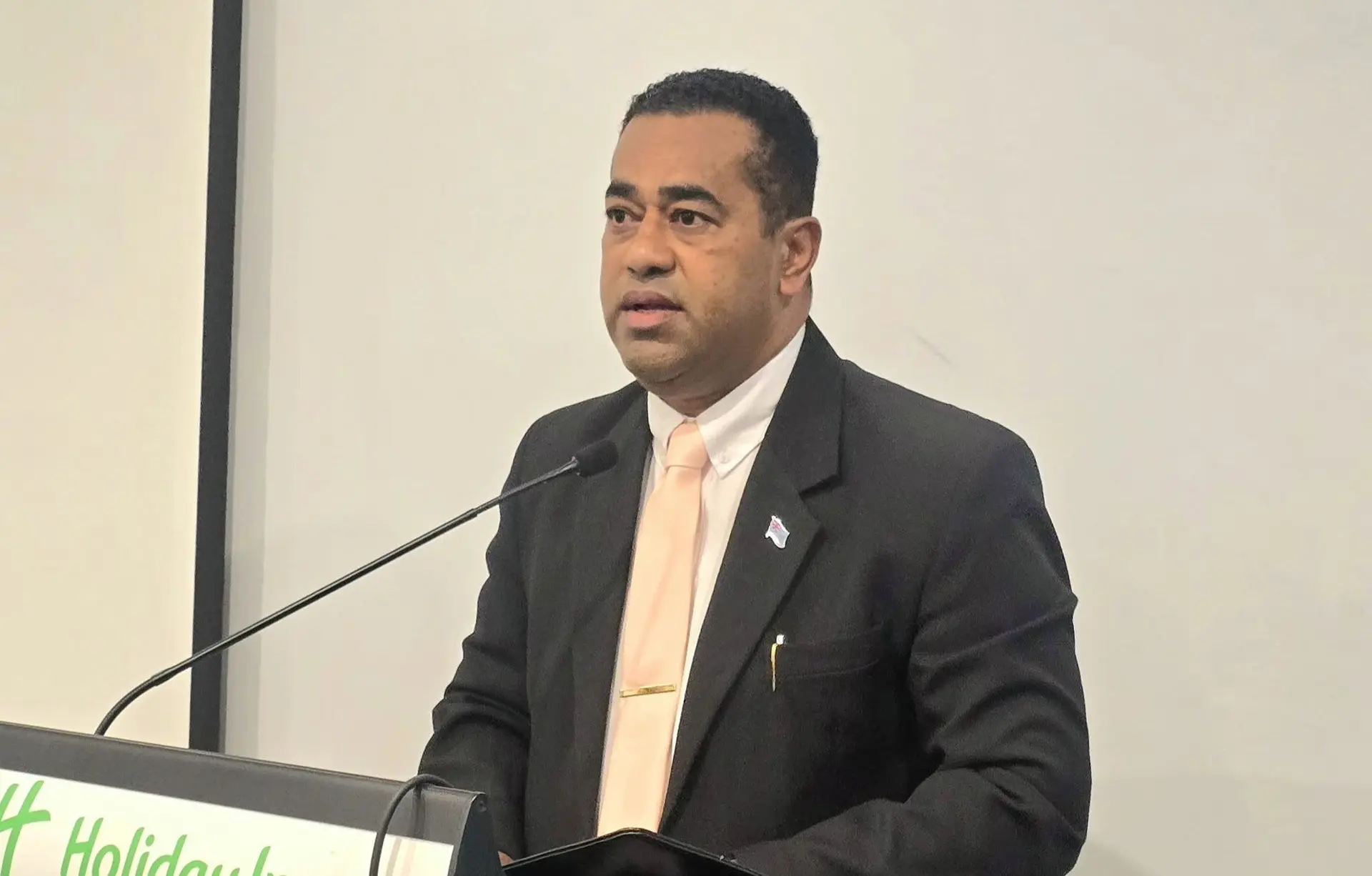
Minister for Employment, Productivity and Workplace Relations Filimoni Vosarogo.
Photo: Minister for Employment, Productivity and Workplace Relations.
Employers have been warned against compromising workers’ health and safety as businesses across Fiji are urged to reduce water consumption by 30 per cent amid the ongoing drought crisis.
Minister for Employment, Productivity and Workplace Relations Filimoni Vosarogo said employers remained legally responsible for providing safe drinking water, adequate sanitation and suitable handwashing facilities despite water shortages.
While supporting the Water Authority of Fiji’s call to reduce water consumption, Mr Vosarogo stressed that workplace safety must remain a priority.
“Water conservation measures must not compromise the health, safety and welfare of workers. Employers remain responsible for ensuring access to safe drinking water, adequate sanitation facilities, and suitable handwashing facilities at all times.”
He reminded employers that under the Health and Safety at Work (General Workplace Conditions) Regulations 2003, workplaces must provide adequate washing facilities with running water, soap and suitable drying facilities, maintained in a clean and hygienic condition.
Employers must also ensure workers have access to safe drinking water that meets approved quality standards and is protected from contamination.
Risk assessments
Mr Vosarogo urged employers to assess the impact of water shortages on workplace operations, particularly where water was essential for hygiene, production processes and service delivery.
Where water disruptions affected workplace health and safety requirements, appropriate risk assessments and control measures should be implemented before affected activities continued.
He encouraged employers to review their water-use practices, repair leaks, limit non-essential water use, monitor consumption and promote water conservation awareness among workers.
“Good planning and responsible water management can help businesses maintain productivity and continuity while meeting their legal obligations to workers and supporting national water conservation efforts.”
Mr Vosarogo encouraged employers and workers to work together to achieve the recommended 30 per cent reduction in water consumption while maintaining safe, healthy and productive workplaces.