Alarming medical consumables reused
FMA president says healthcare delivery at a crisis point
Saturday 25 January 2025 | 01:30
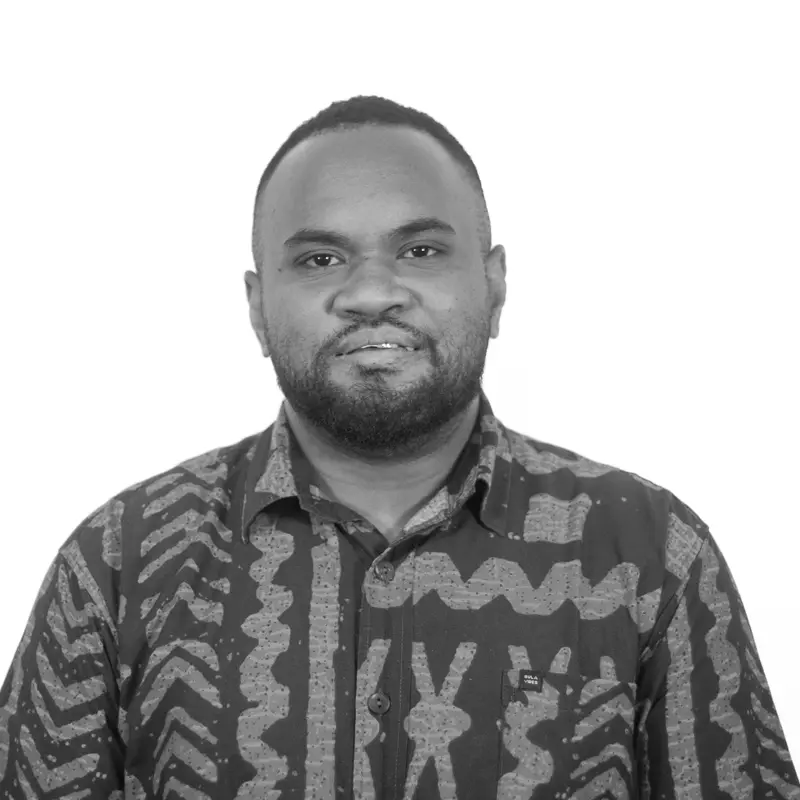
Fiji Medical Association president, Dr Alipate Vakamocea.
Photo: Fiji Sun Online
Fiji’s healthcare system is currently facing a crisis, with critical medical consumables recycled in public hospitals due to severe shortages.
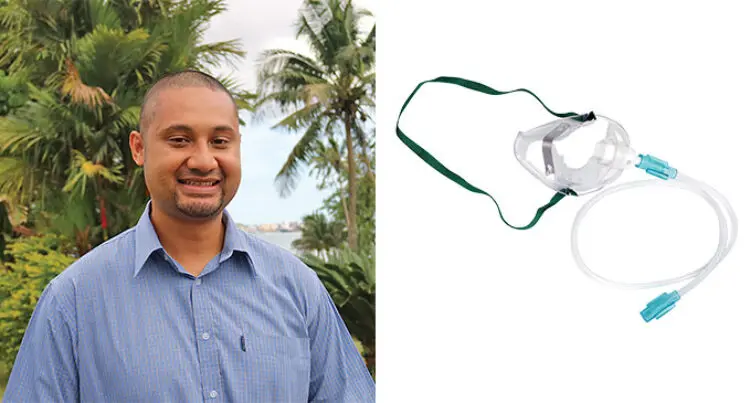
Single use medical consumables like tubes, nab oxygen masks are being reused in public hospitals according to the President of the Fiji Medical Association, Dr Alipate Vakamocea. He expressed concern over the dire situation in Fiji’s healthcare sector.
“I can say that we are at crisis point at the moment,” Dr Navakamocea said.
Related stories
He detailed alarming practices occurring in the public health system, including the reuse of single-use medical items, such as tubes for suction and oxygen administration, which are intended for one-time use only.
“These are supposed to be single-use, but because we don’t have the stock, we are washing them and reusing them,” he explained.
“According to Infection Prevention and Control (IPC) practice, we shouldn’t be doing that. There’s no proper way to sterilise tubes as they are meant for single use; it means we could be potentially transmitting infections between patients. But we can’t help it, because we don’t have them available, so we have to wash and reuse.”
Dr Vakamocea stressed that this practice of “cutting corners” was a result of insufficient infrastructure, human resources, and medical supplies. “When you cut corners, you put patients at risk,” he said.
He revealed that some doctors, facing medication shortages, have resorted to purchasing essential drugs from their own pockets.
A lot of our doctors have opted to purchase some essential medication for our patients, which they keep in their pockets, and then when required, they give them out. And this is going to continue, unfortunately.
Fiji Medical Association president, Dr Alipate Vakamocea
Dr Vakamocea identified three major factors that are keeping healthcare professionals awake at night: infrastructure, human resources, and supply chain issues.
“Infrastructure is one big issue,” he said. “The number of beds is a key concern. For example, in a health centre or a subdivision hospital, the capacity is supposed to be 50, but due to infrastructure problems, we can only provide 40 beds.”
The second major challenge is a significant shortage of nursing staff and other allied health workers, which continues to place additional pressure on the already overstretched doctors.
“The third issue is the supply chain,” he said. “We have the drugs, but we don’t have the medical equipment or the consumables we need.”
With these ongoing challenges, Dr Vakamocea warns that the situation is unlikely to improve unless there are urgent reforms and increased investment in the healthcare sector.
“These are the issues that we’re facing on the ground at the moment,” he said.
Feedback: inoke.rabonu@fijisun.com.fj








