Amplify Pacific Voices in Climate Negotiations: SPREP Chief Urges Journalists
Today, climate change is at the top of the political agenda, with Pacific leaders calling it an “existential issue.”
Wednesday 21 May 2025 | 07:49
Updated 08 August 2025 | 15:42 FJT


Getting things going depends on getting the will of the public manifested in political will.
That was the call from SPREP Director General Sefanaia Nawadra in his opening address to over 20 Pacific journalists gathered in Samoa for the first-ever regional media training on Loss and Damage.
Speaking to participants from countries including Fiji, Tuvalu, Niue, Samoa, and Vanuatu, Mr Nawadra urged journalists to play a central role in supporting and amplifying the work of Pacific leaders in global climate negotiations.
Related stories
“We have a role to play, when we get to these global meetings to get behind your leaders and country delegates to let the people know the work they do in these spaces,” he said.
“Because we are so small in these global arenas, we work together and assign champions.”
Mr Nawadra acknowledged the growing importance of climate issues across the Pacific, recalling how discussions in the early 1990s were largely limited to technical experts.
Today, climate change is at the top of the political agenda, with Pacific leaders calling it an “existential issue.”
Yet, he emphasized, the public back home doesn’t always see the value in these international engagements.
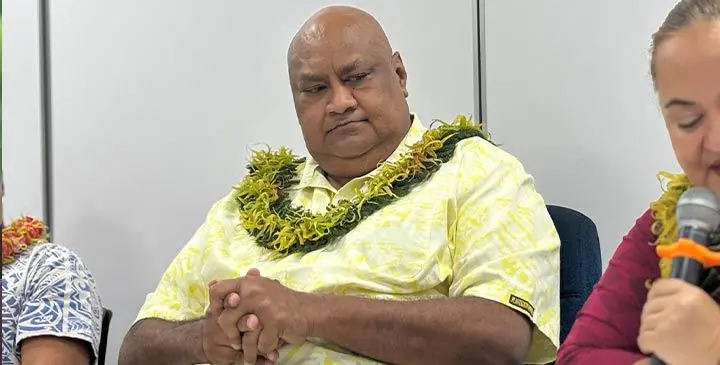
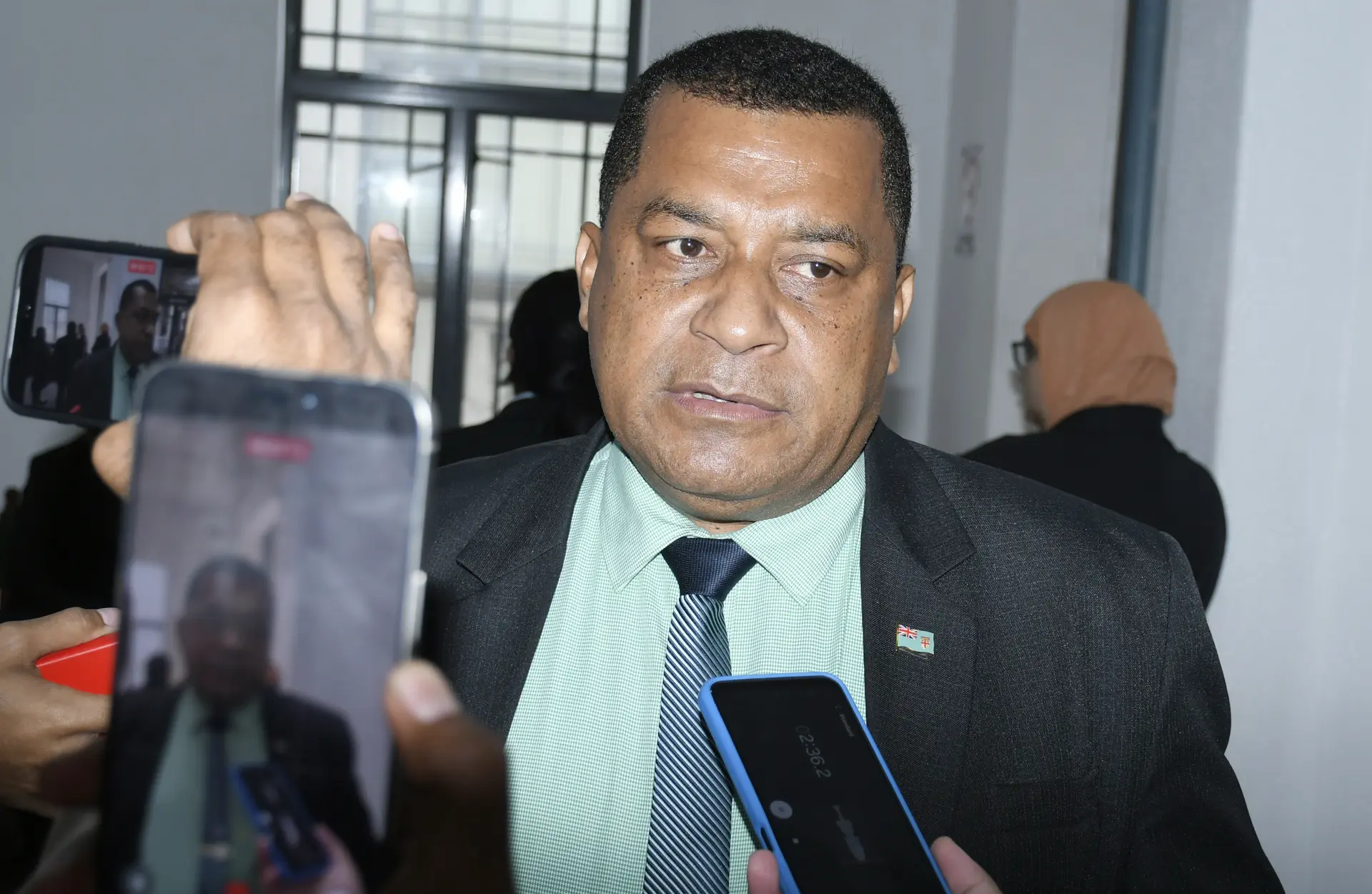
SPREP Director General Sefanaia Nawadra.
“What our people need to know is that sometimes the most important work needs to be done away from our region,” he said.
“They come under criticism like why do they spend weeks away when they are supposed to be doing important work in their own countries?”
This is where the media plays a crucial role, Mr Nawadra said, not just as informers but as connectors, helping the public understand that Pacific leadership on climate is essential and effective.
“You have a big role in sometimes raising the pulse to get the excitement going.”
He credited the media’s role in helping Loss and Damage rise from a fringe topic to an institutional pillar in the UNFCCC process, with its own programme and fund.
“The pledges are a good start, but we still need more,” he added. “And there is no way better to inform [our people] than those who work in communication.”
Feedback: inoke.rabonu@fijisun.com.fj