Beche-de-mer Generates $8 Million In Two Months
We banned the unrestricted harvest and trade of beche-de-mer also known as sea cucumber in 2017 to save the species from extinction due to unsustainable harvesting.
Sunday 11 September 2022 | 15:53
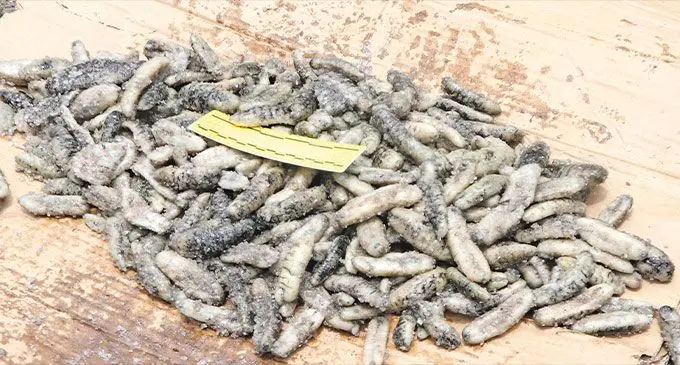
We banned the unrestricted harvest and trade of beche-de-mer also known as sea cucumber in 2017 to save the species from extinction due to unsustainable harvesting.
After confirming a recovery in the beche-de-mer populations, I announced a sustainable harvesting regime earlier this year that established a two-month window for the sale and trade of the species – a decision that has carried enormous benefits for Fijians in our coastal communities who rely on the long-term health of this high-value fishery resource.
The initial harvesting regime reflected our cautionary approach as we continually monitored beche-de-mer population health.
Related stories
Over the past two months, all available data indicate that beche-de-mer populations remain healthy while over $8 million in direct cash transactions has gone into the pockets of our resource owners –– funds which have gone towards building, repairing, and upgrading homes among other development projects.
These are funds that have also been used by the licensed traders to employ more Fijians. And that only covers the domestic trade of the resource.
Once exports begin, we expect additional millions of dollars to be injected into the economy as licensed companies sell to overseas buyers.
Our consistently positive beche-de-mer population health data has informed our decision to extend the harvesting window by an additional three months to end by December 2, 2022.
The trade and export period will also be extended for an additional three months to January 31, 2023.
Government is also reducing the size limits from 10 centimetres to 7.6 centimetres for all the species that are approved to be harvested.
We will continue to review beche-de-mer population health and follow international best practices to ensure we keep to the path of sustainability.
As meaningful as this extension is for many Fijians in our maritime areas, I call on our resource owners and licensed companies to respect the conditions that are part of the harvesting and trading of this fishery.
You aren’t costing government by bending or breaking these regulations – you are costing your children and their children who deserve to make their living from this fishery, just as you have.
In the interest of sustaining this resource over the long term, we announced in this year’s national budget new funding to strengthen the science behind farming beche-de-mer, in collaboration with research institutions, development partners, and the private sector to culture this high-value commodity.
If we get the science and business case right, Fiji will be able to meet increasing global demand for beche-de-mer through aquaculture instead of from the wild.
This is a multi-million dollar industry that we can and should harness for our people’s livelihoods and the life below water that our coastal communities count on for their survival.
In partnership with our people and in harmony with nature, we are committed to building a sustainable blue economy that serves our people’s socioeconomic needs and serves as a model for the wider world.
Feedback: Semi Koroilavesau , Minister for Fisheries