Buabua vendors plead for roadside stalls
For Ms Lata, the request is not about comfort — it is about dignity and creating better conditions for farmers who work long hours to feed their families and supply fresh produce to communities.
Sunday 21 June 2026 | 08:30

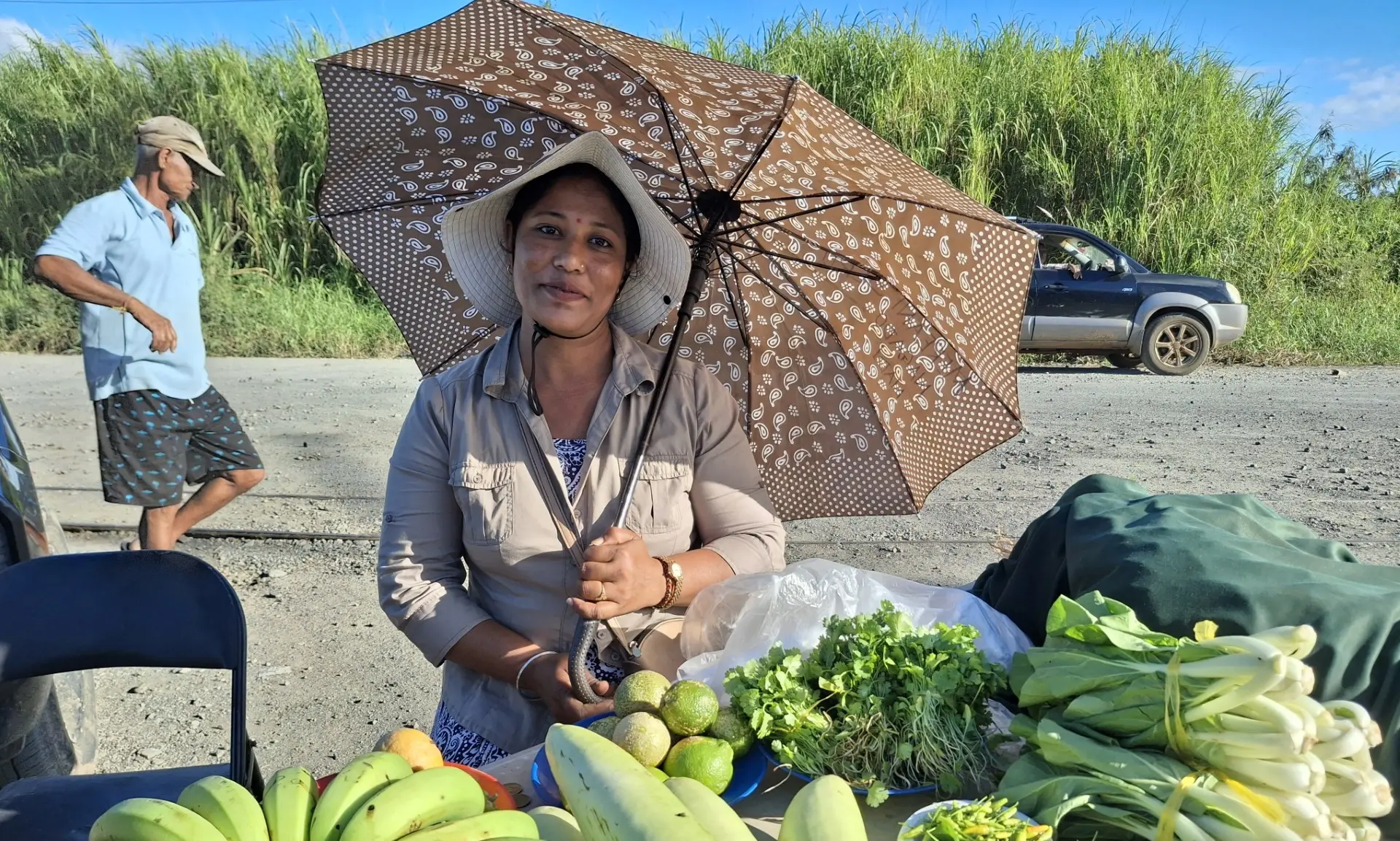
Rohini Lata says years of selling under the hot sun and in wet weather have taken a toll as they call for proper shelter and dedicated selling facilities.
For nearly a decade, Rohini Lata has spent her days under the scorching western sun, selling vegetables by the roadside in Buabua, Lautoka.
When the rain comes, she endures that too.
The 43-year-old mother of four is among a group of roadside farmers now calling on the Government to build proper stalls or a sheltered marketplace to protect them from the elements while they earn a living.
Related stories
For Ms Lata, the request is not about comfort — it is about dignity and creating better conditions for farmers who work long hours to feed their families and supply fresh produce to communities.
“The government should consider building a shelter for us in the 2025–2027 National Budget because we work in very difficult conditions every day,” she said.
The roadside selling area was originally established to allow farmers to sell their produce directly to customers. However, Ms Lata claimed that market vendors are also using the site, creating additional competition for farmers.
“When vendors come here, we are forced to reduce our prices and sometimes our produce remains unsold,” she said.
Farming has become the family's primary source of income after her husband stopped working as a taxi driver due to rising fuel costs.
Despite the challenges, the income generated from farming has helped support their four children, who are either studying at university or working in the education and healthcare sectors.
“For many years, farming has supported our children’s education and helped our family survive,” she said.
The family once depended on sugarcane farming but has since diversified into vegetables and other crops, including cabbage, coriander, chilli, lemons, bananas and pumpkins.
While some produce is sold directly to customers, a portion is supplied to market vendors. However, delayed payments often place additional financial strain on farming families.
She said farmers usually bring produce to the roadside stall in the afternoon, depending on supply and demand.
Other farmers selling alongside Ms Lata echoed her concerns, saying the absence of proper stalls or shelter leaves them exposed to extreme heat, rain and dust.
They believe proper roadside facilities would not only improve working conditions but also help strengthen the livelihoods of small-scale farmers who rely on daily sales to support their families.
Farmers also raised concerns about non-farmers operating in the designated farmers' area, saying it undermines the purpose of the site and affects their earnings.
Despite the difficulties, Ms Lata remains committed to farming and providing a better future for her children.
Her story reflects the resilience of many smallholder farmers across Fiji who continue to work through harsh conditions to put food on family tables and keep their communities supplied with fresh produce.