Cases Of Methamphetamine, 'Ice' Abuse Reach Hospitals
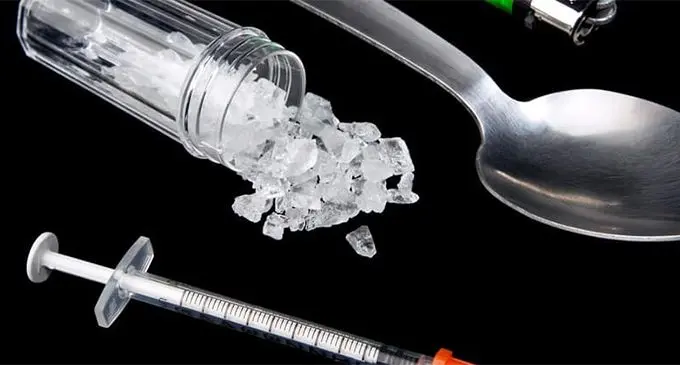
Methamphetamine, commonly known as ice, pea, crystal meth or white among users, is a highly-addictive drug.
Friday 17 May 2019 | 14:52

Major hospitals in Fiji have been treating cases of methamphetamine abuse, says Minister for Health and Medical Services Dr Ifereimi Waqainabete.
Dr Waqainabete said this was worrying because the increasing use and abuse of the narcotic more commonly called ice was becoming visible within the population.
Methamphetamine, commonly known as ice, pea, crystal meth or white among users, is a highly-addictive drug.
Related stories
According to authorities in Australia it is the most addictive narcotic on the market.
In the past month, Police in Fiji have arrested people in possession of the narcotic and some of these cases are before the courts.
Dr Waqainabete said major hospitals had observed cases which had come to them showing symptoms of meth use.
“As is the case with any form of substance abuse, cases do turn up to the hospital. And we have also mental cases as well. This is a major worry because this puts stress on the health system,” he said.
“What people are not realising is that in any case of substance abuse, the family and their peers are also affected. The users do end up in the hospital, but the families are also affected.
“The Ministry of Health works closely with other stakeholders in dealing with such matters. Police and other authorities are notified when such cases come to us. When our teams make trips to settlements and we come across places where illegal activity such as sale of narcotics is taking place, we notify authorities.”
In New Zealand, the health system incurs a cost of $15 million annually dealing with methamphetamine abuse cases in hospitals.
Dr Waqainabete said they had not yet quantified this because they did not come across such cases on a regular basis.
The narcotic first came into light in Fiji in 2004 when a joint Police operation between Fiji, New Zealand and Australia led to the discovery of the biggest meth lab in the Southern Hemisphere at Laucala Beach Estate, Nasinu.
Since then either meth or the key ingredients in the manufacture of the drug have been found by border control authorities and people involved have been taken to task.
According to sites dedicated to awareness on the use of methamphetamine, long-term effects of the drug eventuate in death. In the long term, meth use can cause irreversible harm.
This includes increased heart rate and blood pressure, damaged blood vessels in the brain that can cause strokes or an irregular heartbeat that can, in turn, cause cardiovascular collapse or death; and liver, kidney and lung damage.
Users may suffer brain damage, including memory loss and an increasing inability to grasp abstract thoughts. Those who recover are usually subject to memory gaps and extreme mood swings.
Health authorities also advise that the drug causes severe harm to physical appearance as well.
Dr Waqainabete said there was a need for awareness in the matter.
Edited by Jonathan Bryce