Change 2013 Constitution First Before Rolling Out Truth and Reconciliation Commission
Mr Kotobalavu warns the current blanket immunity for public officials, which covers actions taken between December 2006 and the first sitting of Parliament, will severely undermine the TRC's effectiveness.
Sunday 01 September 2024 | 15:25


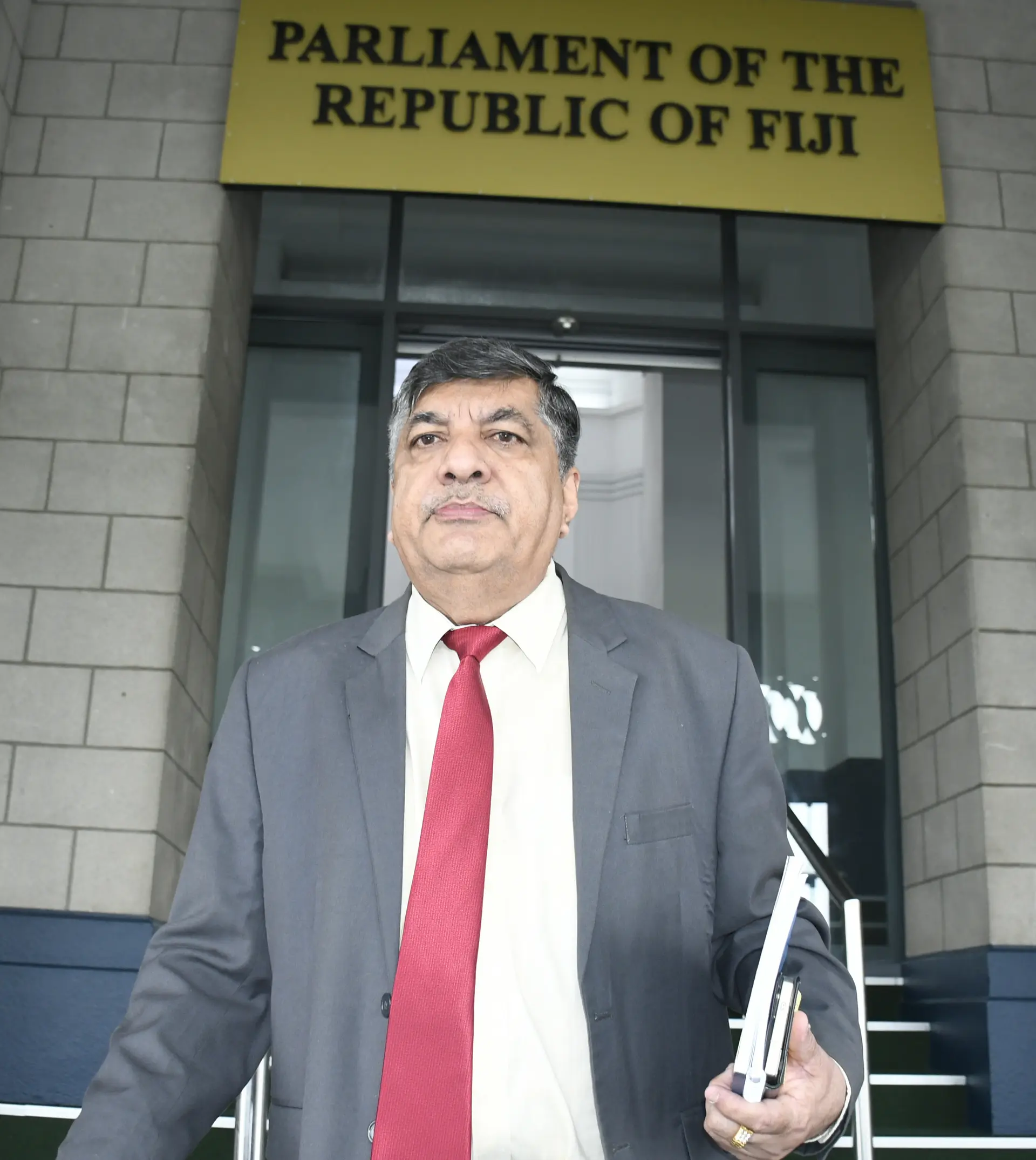
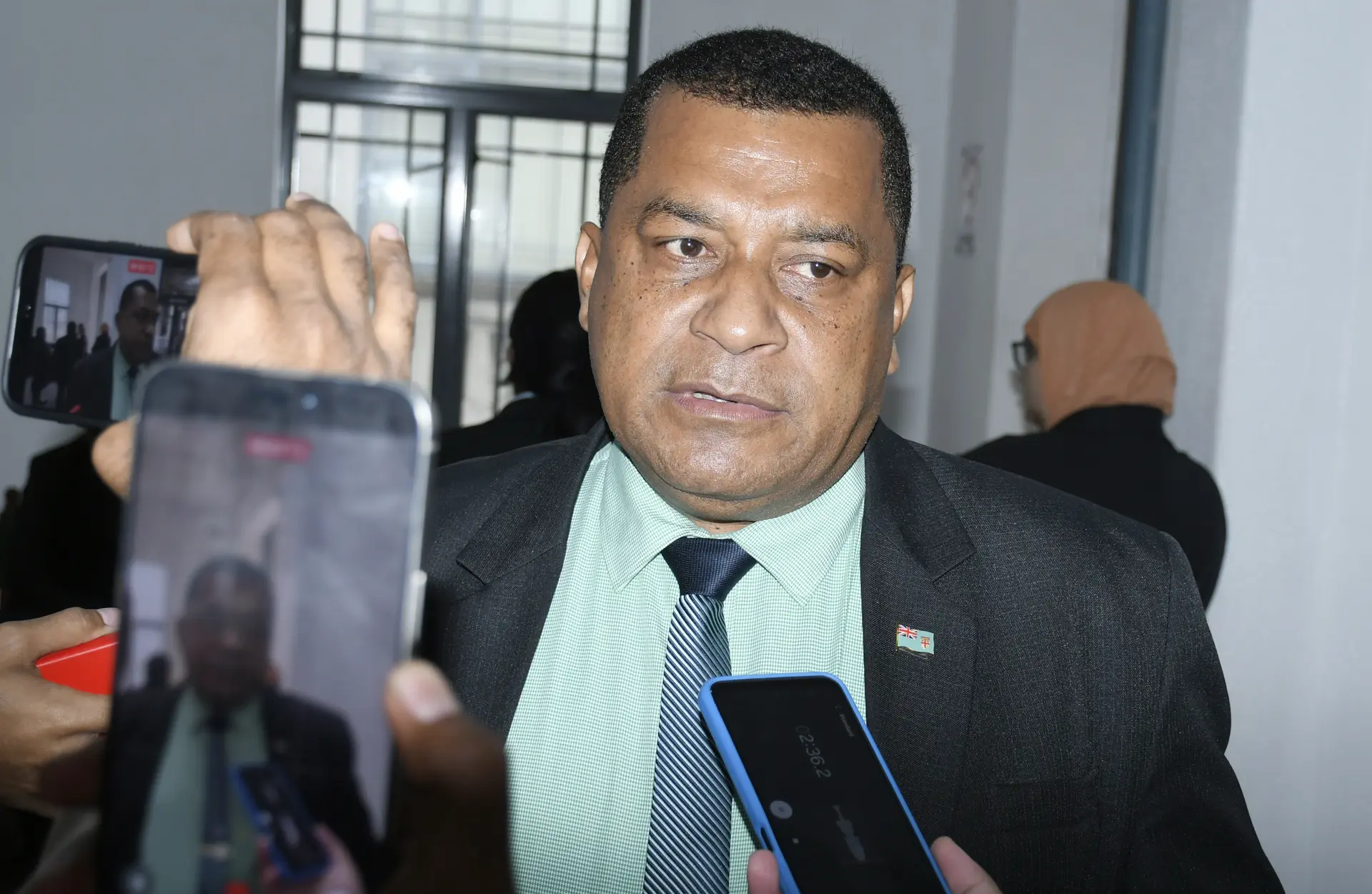
Assistant Minister for Women, Children and Social Protection Sashi Kiran(left).ioji Kotobalavu is a former long serving permanent secretary in the civil service and is currently a lecturer in public law at the University of Fiji’s JDP School of Law. (Right)
Review and amend the 2013 Constitution first before we begin any work on the Fiji Truth and Reconciliation Commission (TRC).
That's the view of Jioji Kotobalavu, a former civil service permanent secretary and current public law lecturer at the University of Fiji.
He highlights the need for particular attention to Chapter lO's 'State of Immunity' provisions.
Related stories
Mr Kotobalavu warns the current blanket immunity for public officials, which covers actions taken between December 2006 and the first sitting of Parliament, will severely undermine the TRC's effectiveness.
He believes this immunity prevents the TRC from addressing crucial human rights violations effectively.
He stresses that without amending these provisions, the TRC's mandate may be compromised.
The immunity, Mr Kotobalavu argues, will hinder justice and fail to hold accountable those responsible for past abuses, ultimately impacting the TRC's ability to achieve meaningful reconciliation.
He draws comparisons to South Africa's successful TRC, where no such immunity existed, stressing that the existing provisions in Fiji's Constitution are unjust, illegitimate, and deny victims of human rights violations the justice they deserve.
Despite strong backing from leaders such as Prime Minister Sitiveni Rabuka, Mahendra Chaudhry, and Savenaca Narube for the TRC, Mr Kotobalavu advocates for a cautious approach.
Opinion: Jioji Kotobalavu
Jioji Kotobalavu is a former long serving permanent secretary in the civil service and is currently a lecturer in public law at the University of Fiji’s JDP School of Law. The views he expresses are his own and this publication bears no responsibility.
A steering committee is currently holding public consultations on the proposed Fiji Truth and Reconciliation Com-mission.
In this article, I am strongly recommending that the Truth and Reconciliation Commission [TRC] should commence its work only after the 2013 Constitution has been reviewed and amended.
STATE IMMUNITY IN 2013 CONSTITUTION
This is because the Constitution’s current state immunity or forgive-ness provisions in chapter 10 will severely undercut and undermine the effectiveness and success of the TRC in carrying out its mandate.
These provisions include the following:
- Absolute and unconditional immunity is irrevocably granted to any person holding public office (whether in their official or personal or individual capacity) from any criminal prosecution and from any civil or other liability in any court, tribunal or commission, in any proceeding as a result of any direct or indirect participation in the Government from December 5, 2006, to the first sitting of Parliament elected after the commencement of this Constitution.
- No court or tribunal shall have the jurisdiction to accept, hear or make any decision or or-der with respect to any challenge against any immunity granted or continued under this chapter, and
- No compensation shall be payable by the State to any person in respect of damage, injury or loss to his or her property or person caused by the or consequent upon any conduct from which immunity has been granted under this chapter.
LEARNING FROM SOUTH AFRICA
We should learn from the very successful operation of South Africa’s Truth and Reconciliation Commission. The TRC was established to investigate gross human rights violations during the period of apartheid from 1960 to 1994.
Its mandate covered investigations into gross human rights violations by both the State and by antiapartheid liberation movements, and it allowed the Commission to hold special hearings focused on specific sectors, institutions and individuals.
Individual perpetrators of apartheid and victims were encouraged to meet and engage in mutual truth telling and to forgive one another. The focus here was on mutual reconciliation.
On its mandate to promote restorative justice, the Commission was empowered by its enabling legislation to grant amnesty to perpetrators who confessed their crimes truthfully and completely to the Commission.
And the victims who forgave their abusers were paid reparation in the form of monetary compensation and acknowledgement.
President Nelson Mandela him-self issued a public apology to all victims on behalf of the State.
South Africa’s Constitution does not provide for the grant of blanket State immunity or forgiveness to anyone found to have engaged in committing gross violations of human rights.
So, South Africa’s TRC was not hampered in carrying out its man-date by the type of State intervention in the grant of blanket State immunity or forgiveness that is provided under chapter 10 of Fiji’s 2013 Constitution.
STATE IMMUNITY IN CHAPTER 10 UNDERMINES THE CONSTITUTION’S LEGITIMACY
In the review of the 2013 Constitution, the current provisions of chapter 10, as summarised above, have to be removed. Amnesty has to be provided in a separate and different way.
So, long as it is provided in the Constitution, it undermines the Constitution’s legitimacy. It is un-just and unfair to victims of gross violations of human rights. The perpetrators in the majority of cases are agents of the State, so the State has a responsibility to pay reparations to the victims.
Feedback: editorial@fijisun.com.fj
Feedback: kaneta.naimatau@fijisun.com.fj